Dutch regulators say Tesla’s self-driving system was approved after independent testing and verified real-world data
The Dutch vehicle authority RDW says its approval of Tesla’s self-driving system was based on its own independent testing, expert review, and real-world driving data. It says the decision was not based only on information from Tesla, but on a broader assessment across extensive testing in varied conditions.
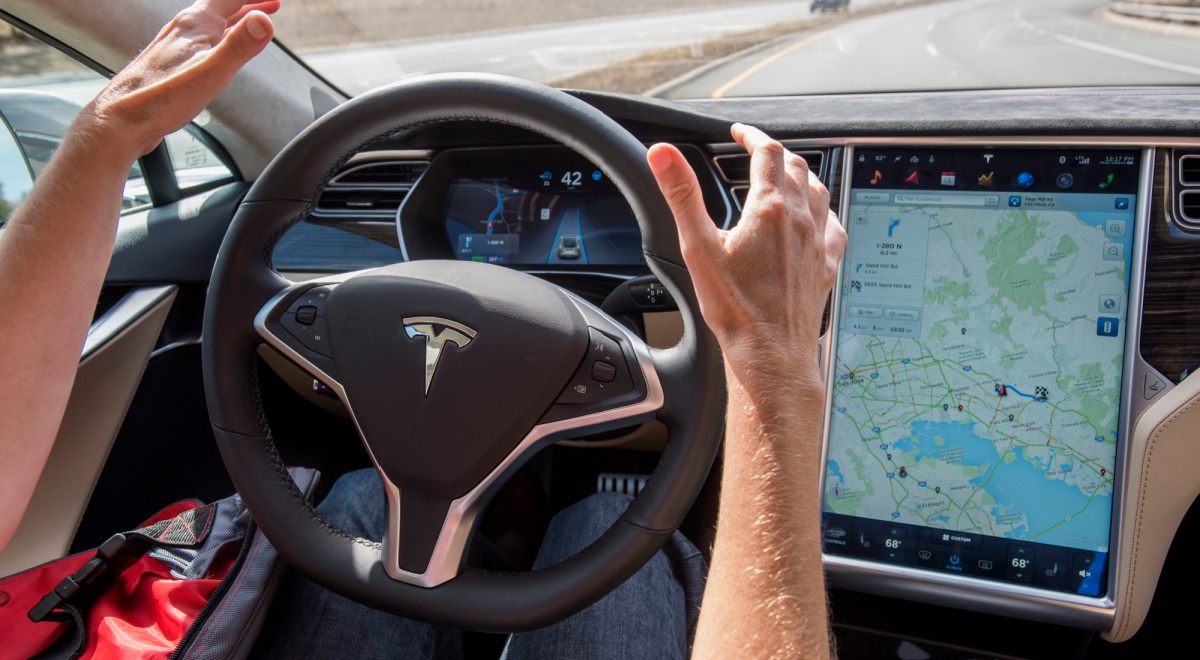
Tesla Motors Inc. Model S car equipped with Autopilot. David Paul Morris/Bloomberg/Getty.

 Follow us
The Dutch vehicle authority RDW says its approval of Tesla’s self-driving system was based on its own independent testing, expert review, and real-world driving data. It says the decision was not based only on information from Tesla, but on a broader assessment across extensive testing in varied conditions.
- Dutch regulator RDW rejected claims that Tesla’s FSD approval relied solely on company-provided data.
- The authority says it independently reviewed Tesla’s methods and conducted more than 3,000 hours of testing.
- Approval was based on extensive real-world and test-track assessments, including data from 1.8 million kilometres driven in Europe.
- RDW says nearly 40,000 Tesla vehicles have logged around 24 million kilometres in the Netherlands since April 2026 without any relevant incidents.
Key Takeaways by nexos.ai, reviewed by Cybernews staff.
The clarification follows controversy over claims that Tesla may have presented its safety data in a misleading way during the approval process.
After an extensive period of testing, the regulator greenlit Tesla’s Full Self-Driving (Supervised) technology in April 2026.
However, earlier this week, controversy sparked when Reuters wrote that the American car manufacturer presented misleading safety data to road and vehicle authorities in Sweden and the Netherlands, giving the false impression that the RDW approved Tesla’s FSD technology based on those figures.



In response to that discussion, the Dutch vehicle authority has provided a more detailed explanation of the approval process.
The RDW’s assessment wasn’t solely based on the information that was provided by Tesla. The agency independently verified how Tesla collected and analyzed the data. In addition, experts from the vehicle authority reviewed Tesla’s statistical analysis.






Furthermore, the regulator didn’t rely solely on Tesla’s data; it also conducted extensive testing using its own test equipment.
“Over a period of more than 3,000 hours, testing took place both on test tracks and on public roads, under a wide range of conditions, including complex and busy urban traffic, a variety of road types, and different, including extreme, weather conditions. This included the use of data from 1.8 million kilometers driven in Europe with FSD Supervised,” the RDW states in a press release.
The supervisor’s tests covered over 1,000 runs and were conducted in accordance with European regulations. Tesla’s data complied with the same rules.
“Based on this overall process, the RDW concluded that the system meets the applicable requirements. As a result, a European type approval valid for use in the Netherlands was granted,” the Dutch road and vehicle authority concluded.
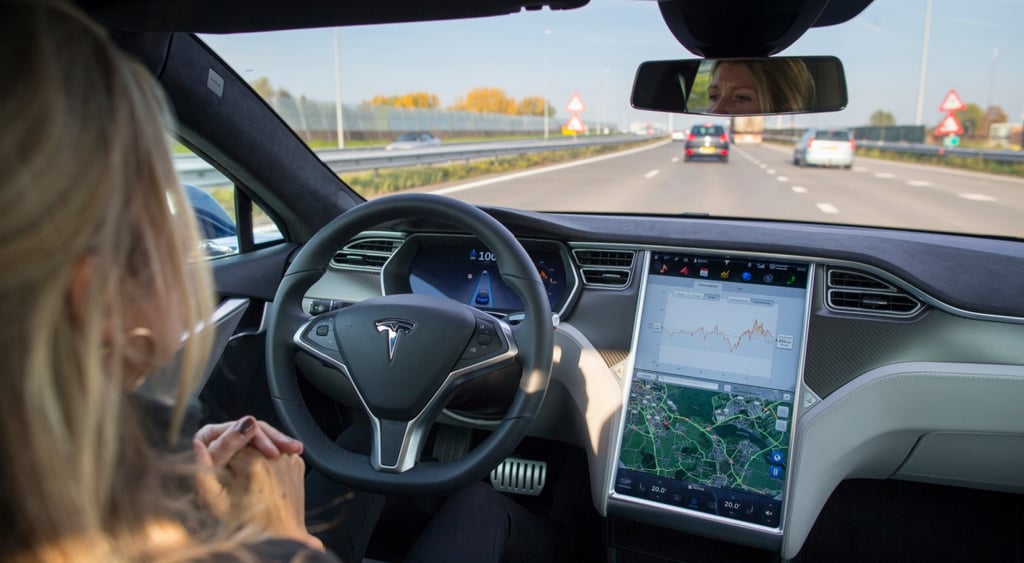
The RDW emphasizes that FSD is safe because the system assists the driver while driving. The system also continuously monitors the driver to ensure that he or she remains attentive. Ultimately, the driver is responsible for the car’s actions, not Tesla’s self-driving technology.
Tesla’s FSD Supervised technology will continuously be monitored. Up to this point, nearly 40,000 Teslas equipped with FSD Supervised have driven approximately 24 million kilometers in the Netherlands since approval was granted in April, with no relevant incidents.
Unlock more exclusive Cybernews content on YouTube.