Violent AI fruitslop can radicalize brainrotted kids online, study claims
Anyone can generate problematic content at scale now, experts say.
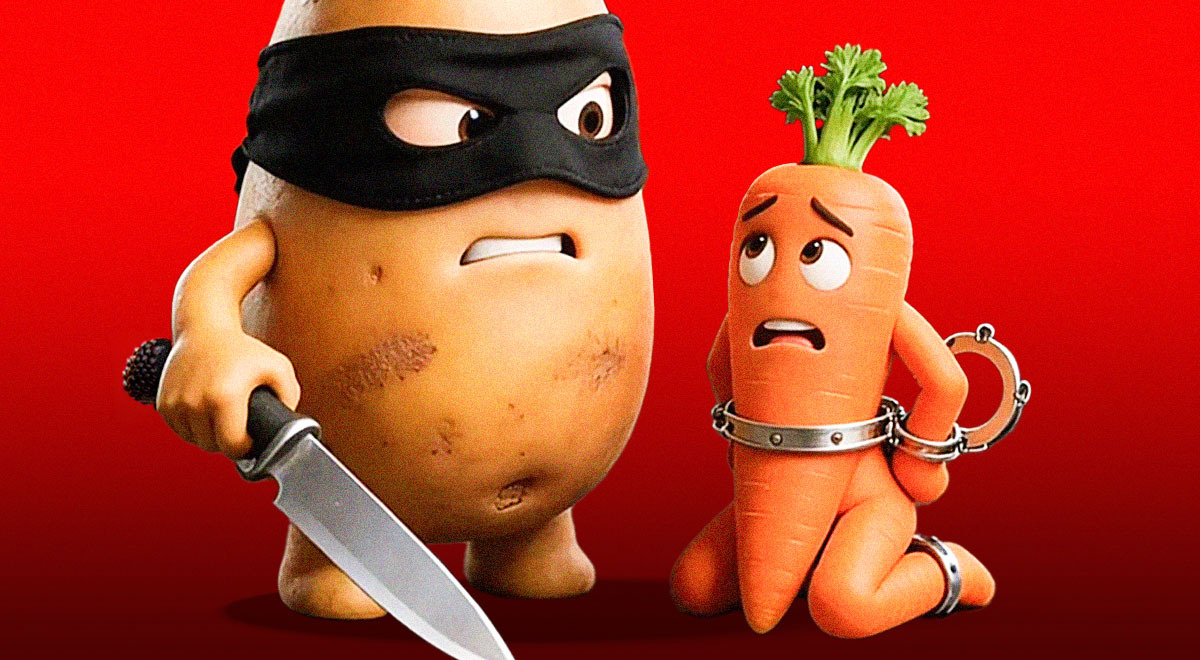
Image by Tiktok/Cybernews.

 Follow us
- GNET researchers say AI-generated fruit and vegetable gore videos may spread violent extremist imagery on TikTok.
- Some clips reference Islamic State slogans, neo-Nazi themes, and extremist hashtags while using viral social media formats.
- Cheap AI video tools make it easier for users to create and share graphic content at scale.
- Researchers warn minors may encounter disturbing material, but evidence linking these videos to radicalization remains limited.
Key Takeaways by nexos.ai, reviewed by Cybernews staff.
Fruits, vegetables, and brain rot are combining into an extremely worrying online phenomenon where children addicted to social media give in to violent extremism, researchers say in a new analysis.
In a new study, the Global Network on Extremism and Technology (GNET) claims that the AI-generated fruit and vegetable videos on our TikTok feeds are actually a front for covertly spreading “violent and extremist content.”
According to the report, this type of content – fruit and veggie characters unleashing gory violence, more specifically – helps normalize “extremist and violent narratives and imagery.” Users could also stumble on terror material and head down a dangerous path.
The trend is, of course, broader and mostly inconsequential – even if normalizing AI slop. Social media is now full of clips showing anthropomorphic foods as characters in melodramatic romance, betrayal, and scandal plots.






Has your password leaked?
The proliferation of such content isn’t surprising. There are various platforms that, often through a free or low-cost version, allow users to create images or videos, which can then be shared on social media platforms such as TikTok, the GNET report points out.
In fact, it is often possible to find AI-generated videos created using apps such as VeoE.ai, PixVerse, Sora, Media.io, and Grok. It’s cheap, and it performs well as it reflects “the exhaustion of users living within an endless cycle of scrolling and algorithmic entertainment,” say the researchers.
However, the proliferation of AI-generated clips on platforms such as TikTok has attracted producers of violent content, despite the platform’s prohibition on such content.
Users particularly attracted to violent and extremist content have exploited platforms to produce and later disseminate videos that glorify and celebrate terrorist and violent extremist attacks, creating catchy videos featuring the most viral online trends,The GNET report says.
“Through online monitoring, an increasingly violent subgenre has been identified: AI fruit/vegetable gore. In these videos, colorful and anthropomorphic AI-generated fruit characters are subjected to extreme mutilation, torture, and hyper-realistic violence.”
The ease of creating this sort of content only accelerates the trend. As The Daily Perspective noted recently, “the barrier to entry has collapsed, which means anyone can generate problematic content at scale.”
Some clips reference specific criminal and extremist groups, such as the Islamic State, GNET researchers said.
One example appeared to replicate content from Islamic State videos with a carrot making a potato “explode,” and another featured a carrot “assassinating” a potato with a hammer.
Yet another features a “Carrot Khalifah” telling his army that “the Carrot State will rise again.” This is, of course, an Islamic State slogan, the study points out. Plus, these posts can include hashtags often used by supporters of the terror group.




Stay updated with our latest stories and follow us on social media
Be the first to discover new stories, ideas, and updates from our team.
Most of these videos are too violent to share and include animated vegetables and fruits using different weapons – guns, axes, rifles, and many more – to atrociously kill their enemies, shredding their bodies apart until the organs come out.
Other videos reference neo-Nazi organizations and far-right ideas, for instance, preaching “potato supremacy.” This is obviously a reference to white supremacy.
“Food violence-based material empowered by AI is easily accessible, putting minors and youth at risk of inadvertently consuming graphic or disturbing content,” researchers said.
To be fair, though, the idea that AI pushes underage social media users to embrace violent extremism is yet to be proven by actual academic studies. The GNET report is largely a surface-level analysis.