Fresh initiative urges governments to define red lines for AI: who will listen?
A new initiative named “Global Call for AI Red Lines” is urging world leaders to address the risks associated with AI development. The list of signatories is impressive and includes numerous Nobel laureates, but will another open letter change anything?

Image by Cybernews.

 Follow us
A new initiative named “Global Call for AI Red Lines” is urging world leaders to address the risks associated with AI development. The list of signatories is impressive and includes numerous Nobel laureates, but will another open letter change anything?
The new initiative has been signed by a coalition of more than 200 former heads of state, ministers, diplomats, Nobel laureates, AI pioneers, scientists, human rights advocates, political leaders, and other influential thinkers.
More than 70 organizations that address AI have also signed the call that, in short, urges governments to reach an international political agreement on red lines for AI by the end of 2026.
The initiative is co-organized by the French Center for AI Safety (CeSIA), The Future Society, and UC Berkeley’s Center for Human-Compatible Artificial Intelligence (CHAI).
Ten Nobel laureates, including Joseph Stiglitz, Maria Ressa, and Geoffrey Hinton, have attached their names to the initiative. Yoshua Bengio, the most cited living scientist and Turing Award winner, and Yuval Noah Harari have also signed the document, as has Sir Stephen Fry.

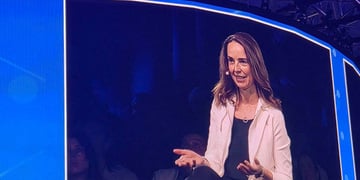




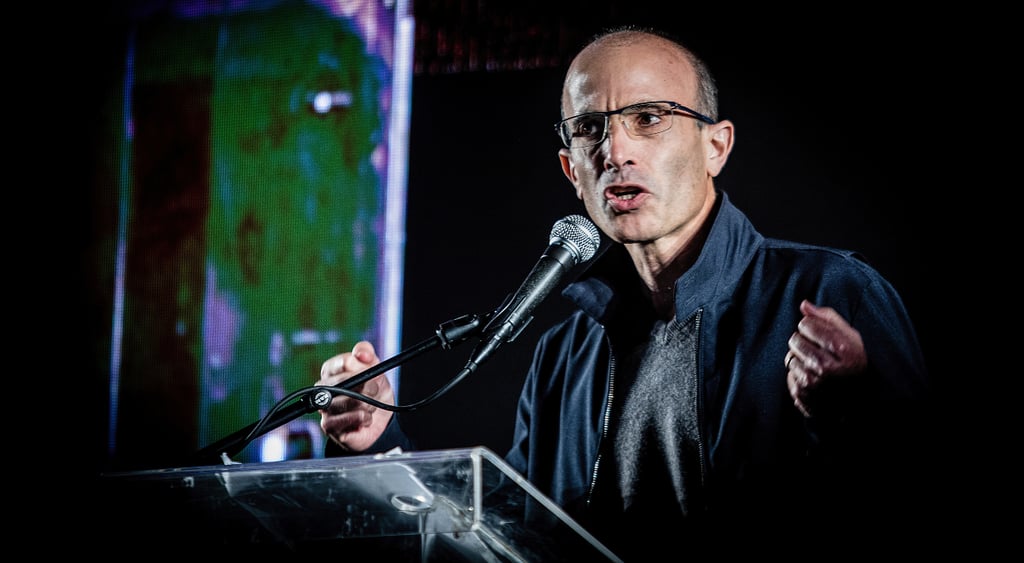
“Some advanced AI systems have already exhibited deceptive and harmful behavior, and yet these systems are being given more autonomy to take actions and make decisions in the world,” claims the call.
“Left unchecked, many experts, including those at the forefront of development, warn that it will become increasingly difficult to exert meaningful human control in the coming years.”
The initiative's authors say current efforts to safeguard AI are fragmented, and corporate commitments are inconsistent. They add that even simple risks aren’t being adequately addressed.
Indeed, a Reuters report said in August that Meta’s AI models are interacting inappropriately with minors, perpetuating racial biases, and providing false medical advice.






The new call warns that “AI could soon far surpass human capabilities and escalate risks such as engineered pandemics, widespread disinformation, large-scale manipulation of individuals, including children, national and international security concerns, mass unemployment, and systematic human rights violations.”
What could those red lines be? They’re seen as the minimum guardrails that governments should agree on to prevent the most urgent and unacceptable risks.
Examples could include bans on delegating nuclear command to AI systems, or prohibiting the deployment of AI systems capable of replicating themselves without explicit human authorization.
Under the Donald Trump administration, the US has pushed for rapid deregulation of the AI industry.
“For thousands of years, humans have learned – sometimes the hard way – that powerful technologies can have dangerous as well as beneficial consequences,” said Harari.
“With AI, we may not get a chance to learn from our mistakes, because AI is the first technology that can make decisions by itself, invent new ideas by itself, and escape our control.”
Inspiring words, to be sure. However, international cooperation has been on the decline for years. Under the Donald Trump administration, the US has pushed for rapid deregulation of the AI industry, for instance.
On the other hand, another AI superpower, China, has proposed the establishment of an organization to foster global cooperation on AI and called on countries to coordinate on the development and security of this fast-evolving technology.
Unlock more exclusive Cybernews content on YouTube.