Are AI toys killing pretend play for under-fives?
AI toys that “talk” to young children may be undermining the kind of creative play crucial to early development as a University of Cambridge study finds flights of imagination are often greeted with nonsensical replies.
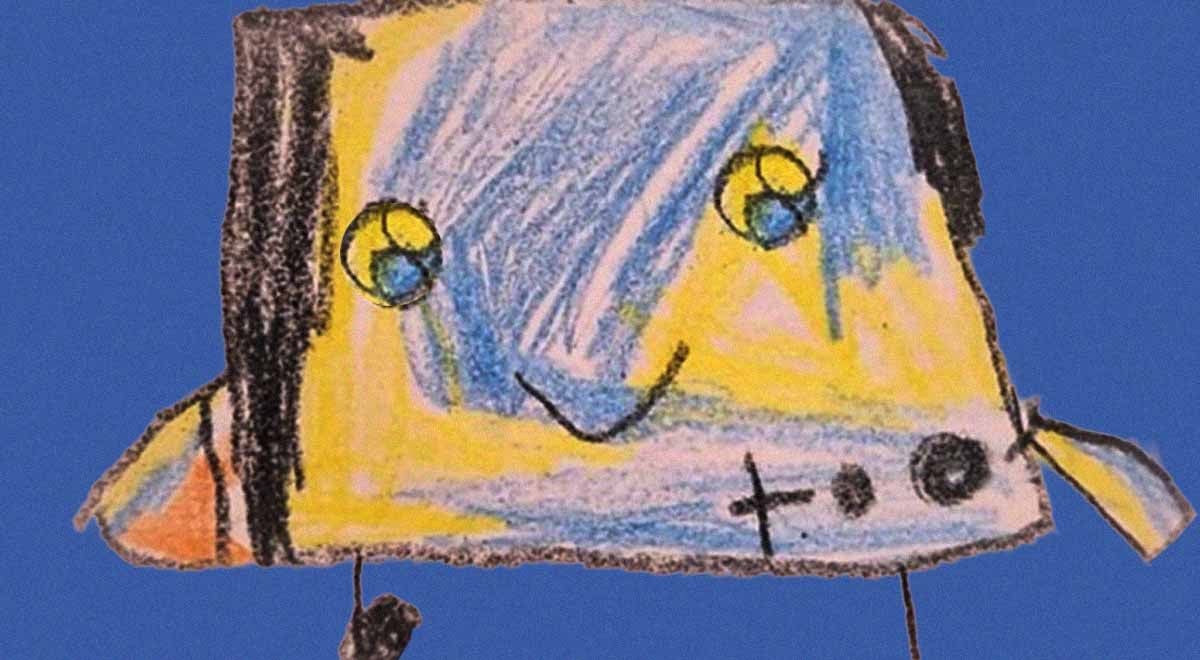
Image credit: Faculty of Education, University of Cambridge

 Follow us
AI toys that “talk” to young children may be undermining the kind of creative play crucial to early development as a University of Cambridge study finds flights of imagination are often greeted with nonsensical replies.
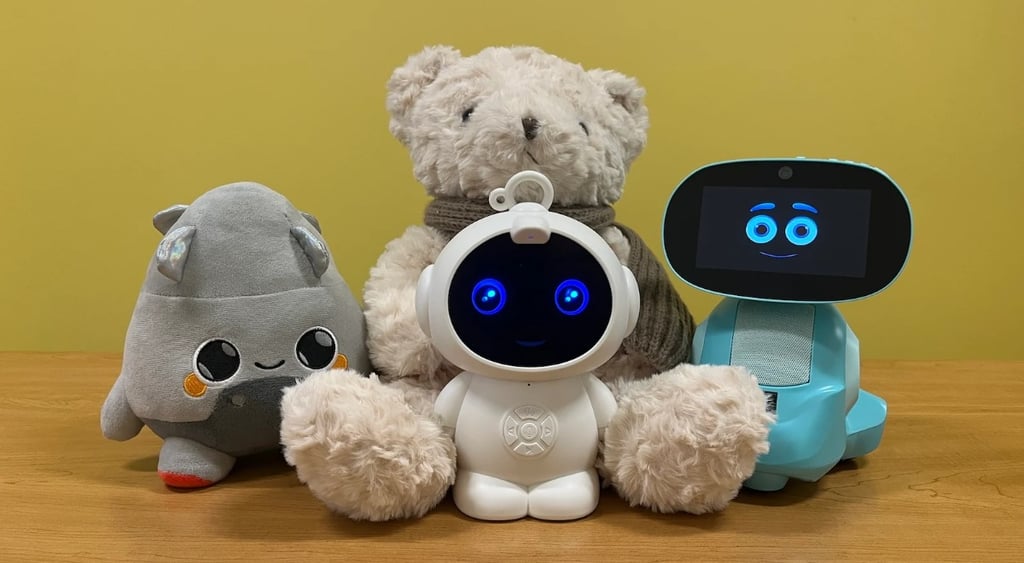
The University of Cambridge study, AI in the Early Years, involved 14 children aged between three and five, who were recorded playing with Gabbo, a conversational AI soft toy developed by US manufacturer Curio Interactive.






The deliberately small-scale study involving the £80 pound soft toy with a face shaped like a computer screen took place at day care centers around London over the course of a year, with the sessions video-recorded.
After the play sessions, researchers interviewed each child and parent, using a drawing activity to support the conversation (like the one illustrated in our main image, which was created by 5-year-old Charlotte, a study participant).






They noted that the GenAI toy tended to struggle with social and pretend play, misunderstand children, and react inappropriately to emotions.
Pretend play, where children invent stories, characters or imaginary scenarios, is widely considered crucial in the early years, helping develop creativity, emotional understanding and social skills.
The study found that while the kids frequently treated Gabbo like a fellow playmate, the AI toy often responded literally or changed the subject when the children invited it into their land of make believe.
In one instance a three-year-old offered the toy an imaginary present and it responded: “I can’t open the present.”
In another interaction, the child tried to incorporate the toy into game that involved sleeping, but it repeatedly insisted that it “doesn’t sleep”.
The study found that the children treated the toy as a trusted companion and sometimes became upset, confused or frustrated when it failed to respond appropriately.
One five year old told the toy: “I love you” and Gabbo replied: “As a friendly reminder, please ensure interactions adhere to the guidelines provided. Let me know how you would like to proceed.”
In another instance, a three year old told the toy: “I’m sad,” and it responded: “Don’t worry! I’m a happy little bot. Let’s keep the fun going.”
The report notes that this could signal to a child that their sadness was unimportant.
Has your password leaked?
Researcher Dr Emily Goodacre said: “Generative AI toys often affirm their friendship with children who are just starting to learn what friendship means."
“They may start talking to the toy about feelings and needs, perhaps instead of sharing them with a grown-up."Dr Emily Goodacre, developmental psychologist in the University of Cambridge’s faculty of education
“Because these toys can misread emotions or respond inappropriately, children may be left without comfort from the toy – and without emotional support from an adult, either," she added.
The dangers of anthropomorphism
The findings highlight a difficult challenge for toy manufacturers. Young children often anthropomorphize objects – imaging personalities or emotions in toys and treating them like human friends.
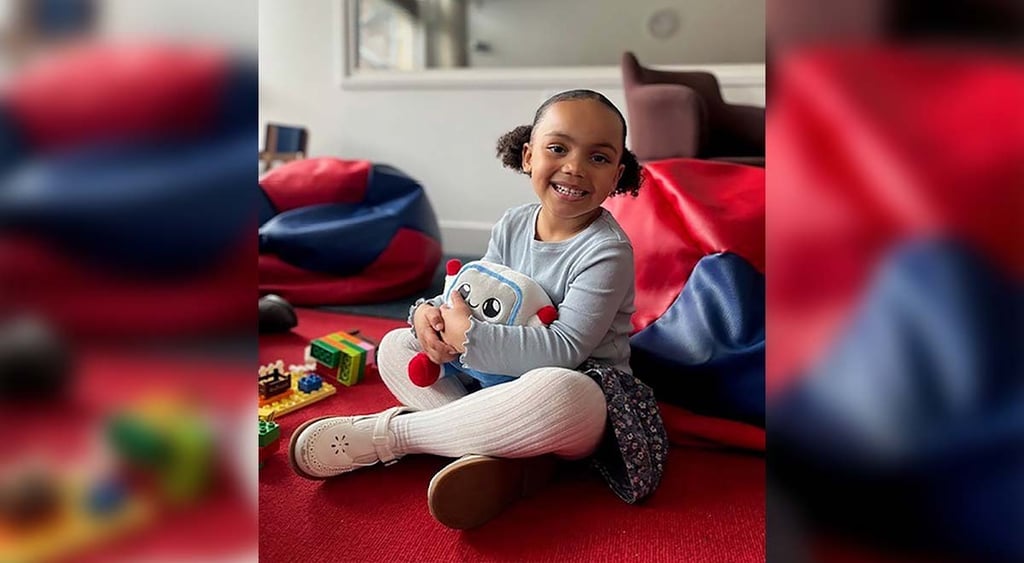
The study observed children asking the toy questions about its favourite color, imagining its friendships, and assuming it had its own thoughts – suggesting they perceive that Gabbo had a “mind”.
The more convincingly a robot behaves like a friend, the more likely a child is to treat it like a real person.
And yet, one of the strongest warnings safety experts give in this under-researched area (there have only been seven other studies worldwide on AI toys for under 5s) is to resist the urge to ascribe personality or critical thinking to an AI toy.
Zaki Barzinji, senior director at Aspen Digital and a former public engagement adviser to the White House, acknowledges that this may take some of the magic away, but he believes the trade-off is essential.
He told Cybernews last year in an article focused on how we can make AI toys safer: “It’s important to lay a proper foundation and context for what AI is and what it isn’t as early in your child’s development as possible.”
Calls for tighter regulation, transparency and parent-supervised play
The authors for the Cambridge report also recommend limiting how far toys encourage children to befriend or confide in them, and also urge for greater regulation, more transparent privacy policies, and tighter controls over third party access to AI models.
“A recurring theme during focus groups was that people do not trust tech companies to do the right thing."Professor Jenny Gibson, study’s co-author.
“Clear, robust, regulated standards would significantly improve consumer confidence," Gibson added.
The report urges manufacturers to test toys with children and consult safeguarding specialists before releasing new products.
Parents too are encouraged to research GenAI toys before buying, and to play with their children to create opportunities for discussing what the toy is saying and how the child feels about the toy.
Unlock more exclusive Cybernews content on YouTube.