Alibaba rolls out 10,000-chip AI cluster as US-China compute race heats up
Alibaba has launched a 10,000-chip AI computing cluster powered by its in-house Zhenwu AI processors, significantly expanding its ability to train and deploy large-scale artificial intelligence models.
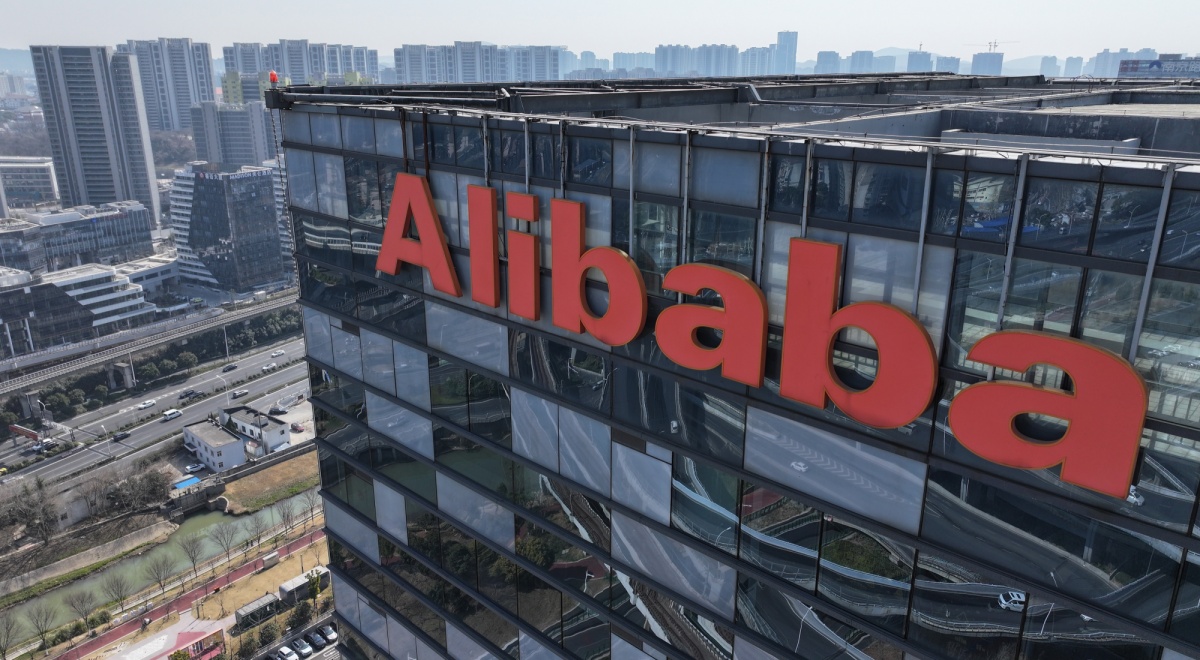
The Alibaba office building is seen in Nanjing, China. Costfoto/NurPhoto/Getty.

 Follow us
Alibaba has launched a 10,000-chip AI computing cluster powered by its in-house Zhenwu AI processors, significantly expanding its ability to train and deploy large-scale artificial intelligence models.
The chips are developed by Alibaba’s semiconductor design arm, T-Head, and form the backbone of what the company describes as a high-performance, fully domestic compute system.
Local reports quote Alibaba as saying that the Zhenwu cluster uses a next-generation high-performance networking architecture that delivers ultra-low latency of just 4 microseconds. This allows the 10,000 chips to function as a single, tightly integrated supercomputer capable of training models with hundreds of billions of parameters.
The company added that the system improves overall training and inference efficiency by 30 percent, while boosting single-card throughput by nearly 10 times.
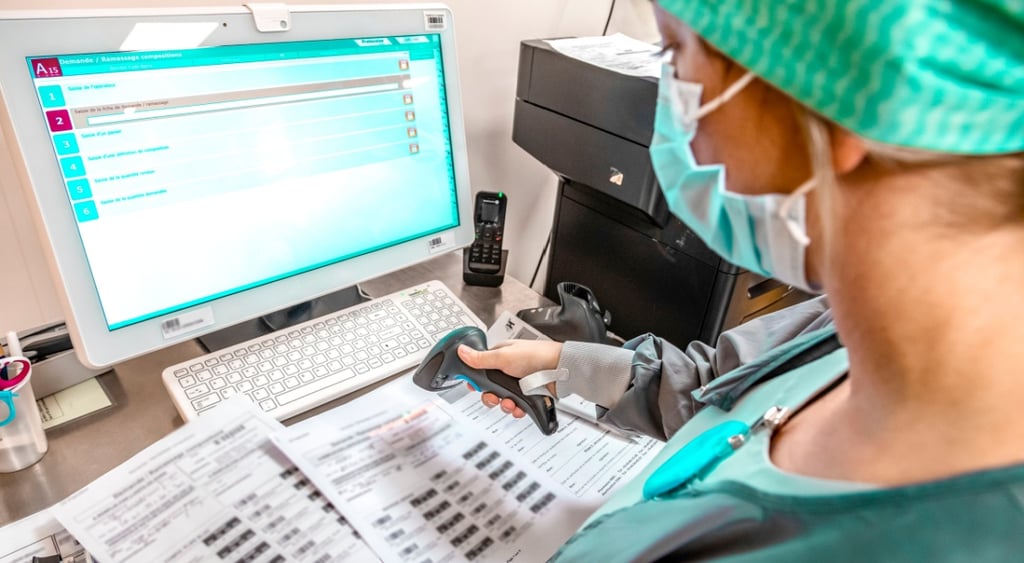
The cluster is already in use across sectors, including healthcare and advanced manufacturing. Alibaba also plans to make the infrastructure more widely accessible to small and medium-sized enterprises, who will be able to tap into the cluster via China Telecom’s platform, paying for compute resources by the card or by the hour.






Alibaba said it intends to scale the system further, with plans to expand the cluster to 100,000 cards.
China’s homegrown AI stack takes shape
The rollout follows closely on reports of another major AI cluster in China built entirely on domestically developed processors from Huawei.
Together, these developments highlight a broader shift among Chinese technology firms toward building and deploying AI infrastructure based on homegrown components, without relying on overseas semiconductors. In fact, the ongoing US export restrictions on advanced semiconductors have only incentivized local companies like Huawei to accelerate the development of homegrown alternatives.






Speaking to SCMP, Charlie Zheng, chief economist at Samoyed Cloud Technology Group Holdings, said the rapid buildout of domestic AI clusters points to a maturing ecosystem. He said the recent launches of domestic computing clusters came as China’s AI industry was shifting from “hardware replacement” to “software collaboration.”
He added that clusters built on domestic technology are now rolling out quickly across government services and city governance, where demand for locally controlled computing is highest.
“Strict requirements around data sovereignty and security are driving the fastest adoption in these sectors,” Zheng said.
Unlock more exclusive Cybernews content on YouTube.