Emojis cover your child’s face in photos, but not their identity
AI tools are not yet capable of removing emojis used to hide children’s faces in photos, but they can easily read the environment to reveal their identities.
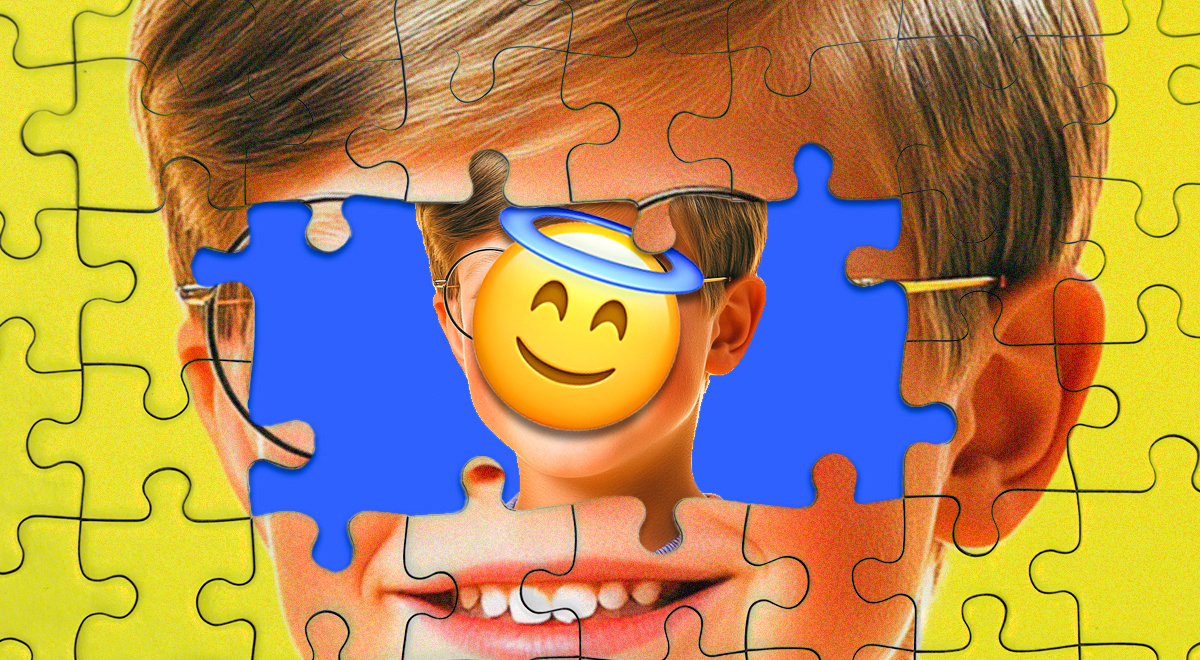
Image by Cybernews.

 Follow us
AI tools are not yet capable of removing emojis used to hide children’s faces in photos, but they can easily read the environment to reveal their identities.
Three in four parents (75%) publish content related to their children online, according to a 2024 survey, putting them at risk of being harassed, stalked, and having a tarnished reputation.
Some parents try to hide their children’s identities by adding emojis on their faces. However, with AI making great strides in photo manipulation and deepfakes, some are worried that such a technique can no longer provide protection.
Parvan Kaur, a social media expert, recently started a LinkedIn discussion by saying that AI can now identify people without seeing their faces, using clues like body shape and clothing.






“Remember, an emoji isn’t privacy, it’s a false sense of security,” Kaur wrote.
Experts tell Cybernews that AI’s capabilities in removing emojis are still limited, but sharing children’s photos, even with their faces covered, makes it very easy for bad actors to identify them.






Context is the key to unmasking the identity
Imagine a picture of a blond man wearing a suit and sitting at the Oval Office with his face covered. We can assert with a significant degree of certainty that the man is a president, says Karni Chagal-Feferkorn, an assistant professor of AI at the University of South Florida.
The “detective work” needed to unmask the identity of a child whose face is covered with an emoji would be more substantial, but it doesn’t mean it would be impossible.
“Details in the picture could still give away many clues as to where the child lives or goes to school, who their friends or family members are, and what they like to do,” Chagal-Feferkorn tells Cybernews.
What makes this dangerous is contextual inference. It doesn’t help to blur or obscure a face when a school logo, bedroom décor, or nearby relative silently tells the story.Danie Strachan
Danie Strachan, senior privacy counsel at VeraSafe, says AI doesn’t need a face to recognize a person. It excels at connecting fragments like clothing patterns, body proportions, and even surrounding household details.
Systems trained on billions of images can match these cues to uncovered photos elsewhere, re-identifying the same child within seconds.
According to Tony Anscombe, a chief security evangelist at ESET, the location where the image was taken – even if it is a public space visited by hundreds of people daily – can also help disclose a child’s identity.
There are tools that allow the identification of other images taken in the same location at a tourist site. Detecting the child in the background of other pictures and identifying other people with the child through image searches makes it possible to get to the child.
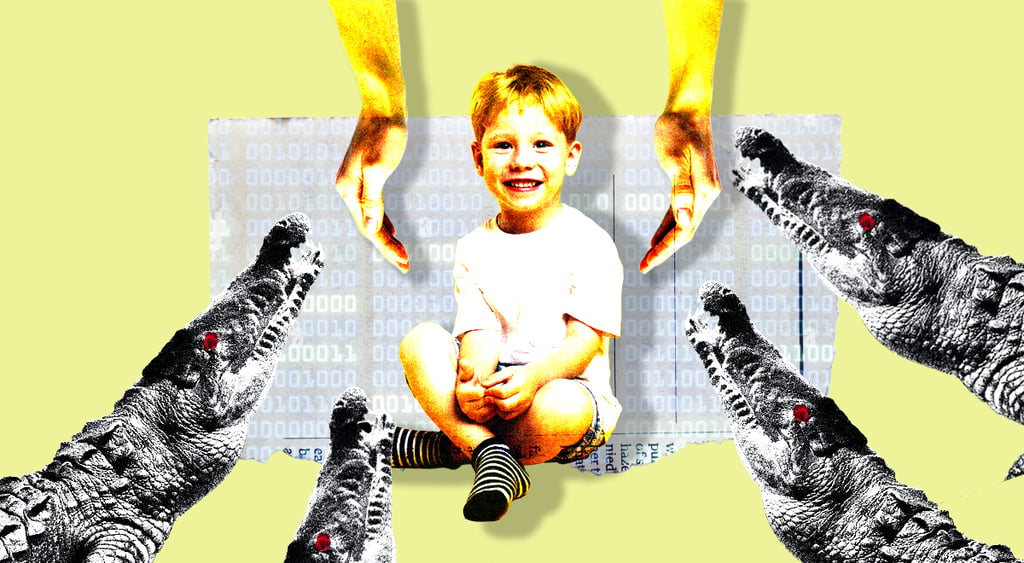
Strachan says every image carries layers of information which can help construct a detailed portrait of a child’s life.
“GPS metadata and visual landmarks can pinpoint a home, school, or favorite park with alarming accuracy. Timestamps quietly chart daily routines and weekly patterns, exposing when and where families move,” he says.
Taking control of your child’s image is a challenge
Parents who are well aware of the risks of posting their children’s photos and refrain from doing what was dubbed “sharenting” may still face hurdles in protecting their children’s image.
Yelena Ambartsumian, a founding attorney at AMBART LAW, says nearly every children’s activity requires a photo image waiver.
“I’ve had to be that parent at a birthday party, whose child missed the first 20 minutes, because we couldn’t enter unless we signed the waiver. We had to wait for a manager or even the space’s lawyer to give us a way to not consent to the standard image waiver,” she says.
Experts say there may be a way to safely post children’s photos online, but such images are rare on social networks.
“If the image has no identifying context, for example, a passport-style photo with plain background and non-identifying clothing, and if it has no metadata, then I do not know any tools that will magically remove the blur or the emoji,” Anscombe says.
Nevertheless, the cliché that the internet is forever is true, and parents who minimize their children’s digital footprints throughout childhood are doing them a favor, according to Yaron Litwin, a safety and AI expert and CMO at Canopy Parental Control App.
I’ve had to be that parent at a birthday party, whose child missed the first 20 minutes, because we couldn’t enter unless we signed the waiver. We had to wait for a manager or even the space’s lawyer to give us a way to not consent to the standard image waiver.Yelena Ambartsumian
There may be no stalker or a potential kidnapper going after your child, but it doesn’t mean their photos will only stay on social media networks to be admired by friends and relatives.
A 2024 report from France found that 50% of photos and videos shared on paedophile crime forums have been initially posted by their parents.
There is a growing demand for AI-generated images of child sexual abuse on the dark web. According to the International Policing and Protection Research Institute report, criminals use non-AI-generated images to train software.
Litwin says, “If you would not open up your wallet to show complete strangers on the street pictures of your family, then why would you do so on the internet?”
Unlock more exclusive Cybernews content on YouTube.