Spotify partners with music giants to shape “responsible AI” amid fears of artist exploitation
Spotify will collaborate with Sony Music Group, Universal Music Group, Warner Music Group, Merlin, and Believe to develop new artificial intelligence tools that “empower artists and songwriters” while protecting their creative and financial interests.
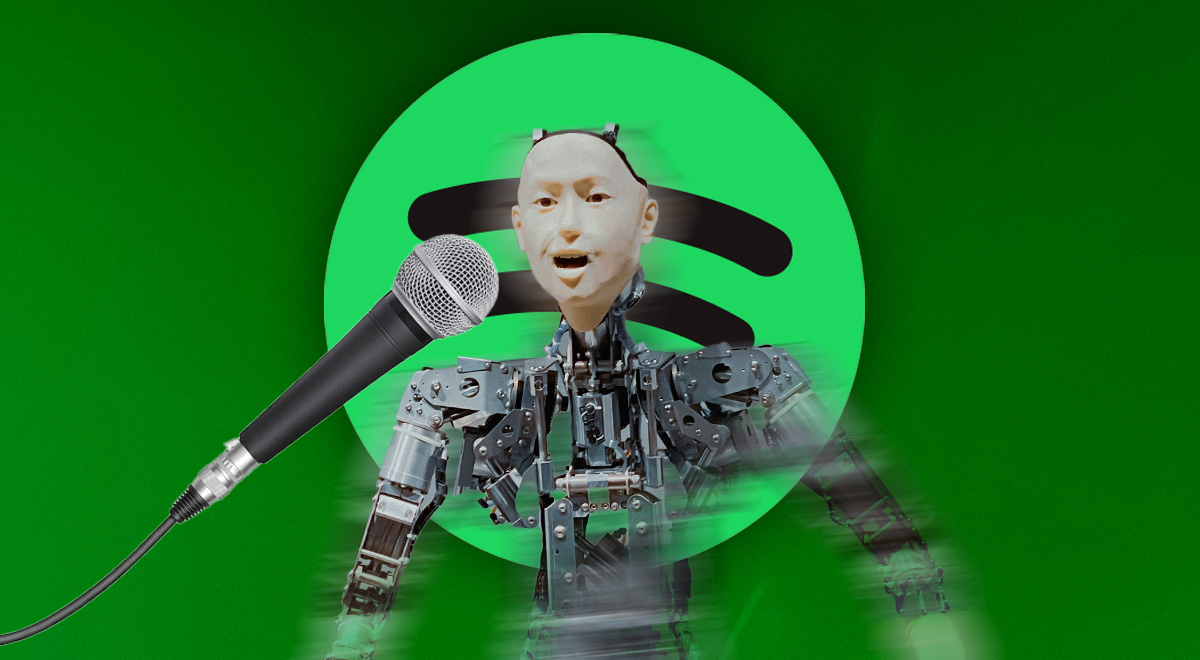
Image by Cybernews.

 Follow us
AI threats to music often sound louder than the music itself, as artists themselves speak up about LLMs’ abilities to mimic artists’ voices, flood streaming platforms with AI-generated tracks, or bypass copyright altogether.
A number of industry-leading names, such as Elton John, Katy Perry, Billy Elish, Abba, and others, have openly opposed AI, which poses threats to artists' livelihoods and creative integrity.
The seven music industry giant companies that represent the most influential singers and artists are now announcing a partnership, which, according to Spotify, will “develop responsible AI products that empower the artists and songwriters they represent.”
The company outlined four key principles guiding its collaboration with rightsholders:
- New products will be developed through direct agreements with record labels, publishers, and distributors, not by “asking for forgiveness later”
- Artists and rightsholders will decide if and how their work is used in AI tools
- AI-driven innovations will create new revenue streams, with transparent credit and payment for contributors
- AI tools will “enhance artistry, not replace it”




Up until recently, Spotify supported an honor-based system that, while sounding nice in practice, allowed music distributors to upload content without permission from the rights holders. This led to cases when AI-generated or misattributed music was made available without proper consent or compensation.
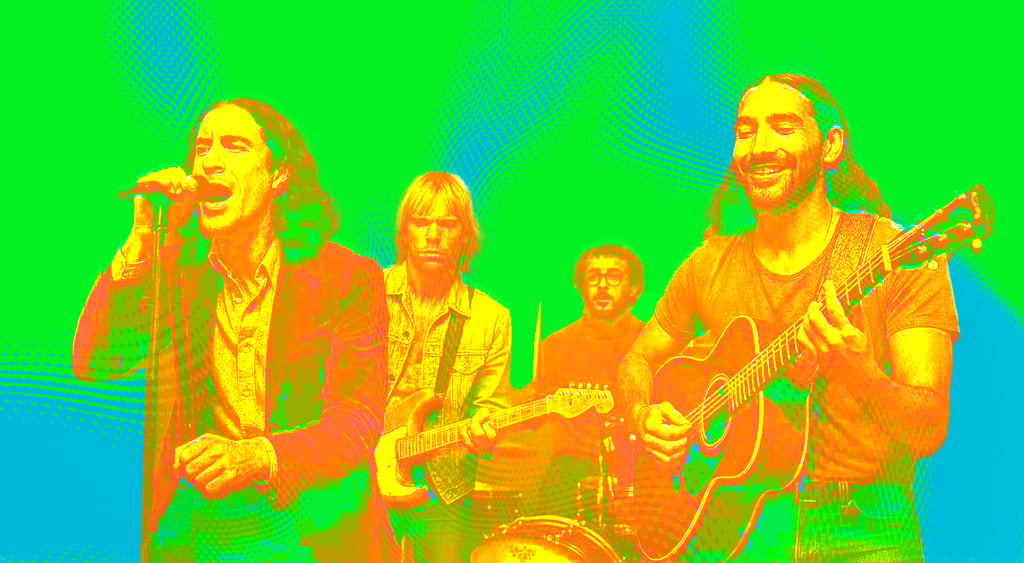
This gave a virtual stage to the Velvet Sundown – an entirely AI-generated band that managed to gain over a million monthly listeners on Spotify.
“We’ve been consistently focused on making sure AI works for artists and songwriters, not against them. That means collaborating with partners who understand the necessity for new AI licensing deals that protect and compensate rightsholders and the creative community. We support Spotify’s thoughtful AI guardrails, and welcome the opportunity to pioneer the future together,” said Robert Kyncl, CEO, Warner Music Group.
When it comes to AI mimicking an artist’s voice, an artist called Ghostwriter977 released a song titled "Heart on My Sleeve." The track featured AI-generated vocals designed to sound like those of Drake and The Weeknd. Because of that, it got attention, but was quickly removed from streaming platforms.
“Technology should always serve artists, not the other way around. Our focus at Spotify is making sure innovation supports artists by protecting their rights, respecting their creative choices, and creating new ways for fans to discover and enjoy the music they love,” said Spotify’s Co-President and Chief Business Officer Alex Norström.
Spotify also claims to have begun building a generative AI research lab and product team dedicated to developing tools aligned with its stated principles. The company claims it wants to use AI to deepen fan engagement through features like its AI DJ, personalized daylist, and AI Playlist, rather than replace human creativity.






Unlock more exclusive Cybernews content on YouTube.