Russia found sharing drone technology, battlefield tactics with Iran to boost strike capabilities
Russia is now sharing satellite imagery, upgraded drone technology, and tactical guidance with Iran – likely improving Tehran’s ability to strike US and allied targets in the Middle East.
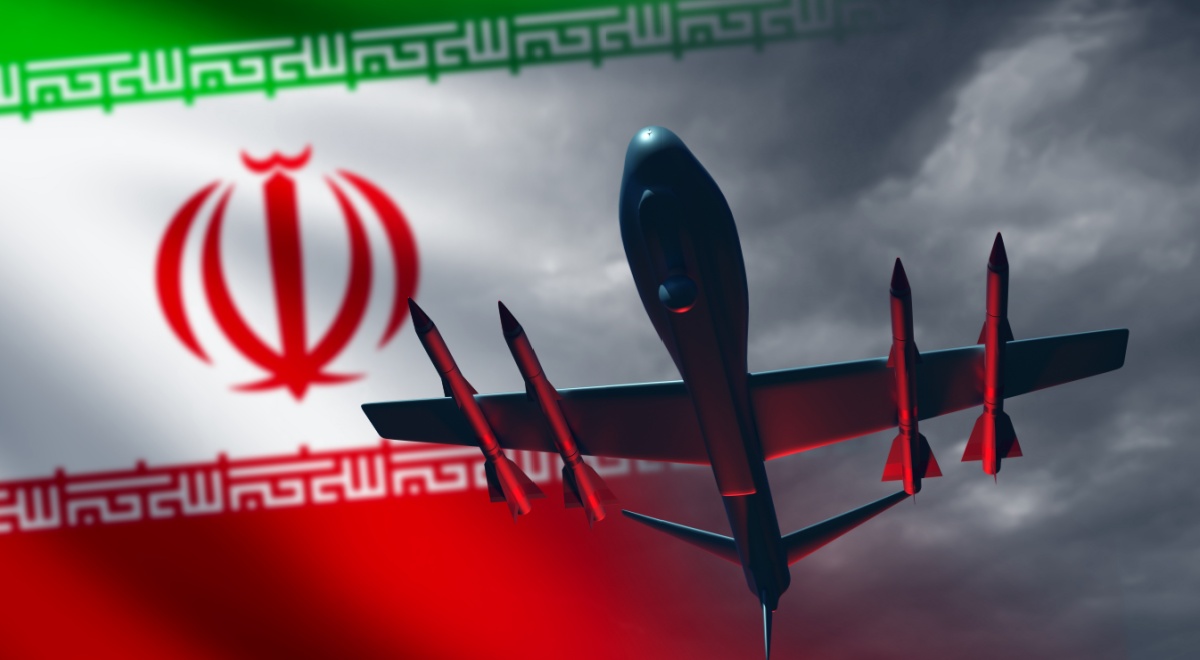
Image by FOTOGRIN | Shutterstock

 Follow us
Russia is now sharing satellite imagery, upgraded drone technology, and tactical guidance with Iran – likely improving Tehran’s ability to strike US and allied targets in the Middle East, The Wall Street Journal reported on Tuesday.
- Russia is reportedly giving Iran more than drones – it is also sharing satellite imagery, upgraded tech, and strike guidance.
- The new details suggest battlefield lessons from Ukraine are now helping Iran improve drone targeting in the Middle East.
- Experts warn drones are becoming more software-driven, turning satellite links, AI, and swarms into a growing cyber threat.
The new information shows that military cooperation between the two nations has only deepened since the US-Israeli launch of Operation Epic Fury on February 28th.
But, the military partnership has been building for years since Russia’s invasion of Ukraine – from Iranian drone transfers to Russia to localized Shahed production and more advanced strike capabilities.
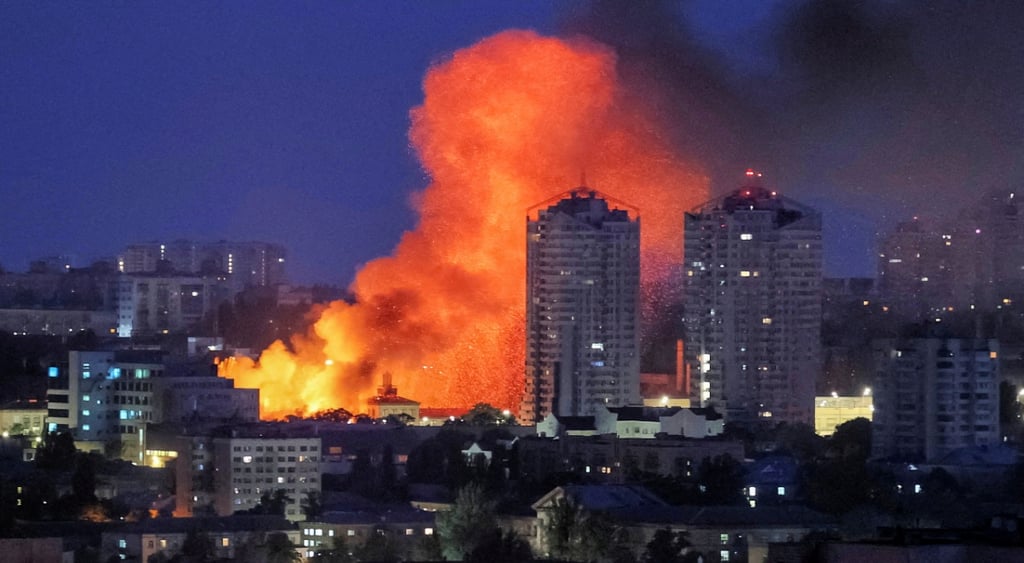






Russia is also said to be offering strategic advice to the Islamic Republic – including how many drones to use in a strike and what altitudes they should fly – further drawing on its wartime experience in Ukraine, the Journal reports.
Russia’s battlefield lessons flow to Iran
The news comes amid recent reports of Iranian-made Shahed drones now targeting US bases in the Gulf.
According to people familiar with the matter, “the technology provided includes components of modified Shahed drones, which are meant to improve communication, navigation, and targeting,” the Journal said.
The report reveals that Russian satellite data has helped Iran improve targeting accuracy and adopt strike patterns resembling tactics Moscow has used in Ukraine, including efforts to overwhelm radar systems before missile attacks.
Radar and air defense assets in Jordan, Bahrain, Kuwait, and Oman were among the targets discussed between the two countries, the WSJ said.
In January, the Institute for the Study of War found that Russian forces were increasingly using Starlink satellite systems to extend the range of strike drones, including Shahed platforms.






In late 2025, Russia was also found developing AI-driven drones with machine vision, autonomous navigation, and swarm capability – advances that one drone expert told Cybernews could eventually be transferred to long-range weapons such as the Shahed.
Russian incorporation of satellite use with military attack drones was first observed in September 2024.

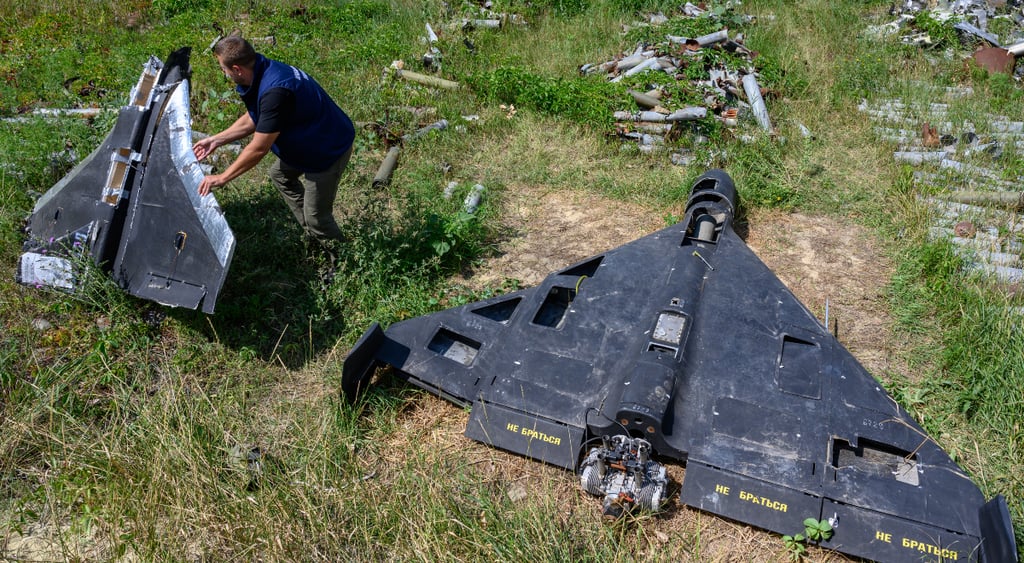
Debris from a downed Russian Shahed-136 drone in Ukraine at that time reportedly showed a Starlink logo and serial number, additionally suggesting attempts to boost real-time data transmission and strike performance.
Drone pipeline operating for years
The Russia-Iran collaboration picked up steam in June 2023, after Iran was reported to have shipped hundreds of one-way attack drones, built in Iran, for Russia to use in strikes against Ukraine.
Declassified US intelligence at the time also discovered that, besides transferring the cache of Shahed- and Mohajer-series unmanned aerial vehicles (UAVs) to Moscow, Iran also began helping its ally build a drone factory in Russia’s Alabuga special economic zone.

Even then, the US Department of Justice (DoJ) claimed Russia had offered to supply Iran with "unprecedented defense cooperation, including on missiles, electronics, and air defense."
Multiple instances of Iranian UAVs have been discovered on the ground in Ukraine, many found to be made with components produced by third-country suppliers.
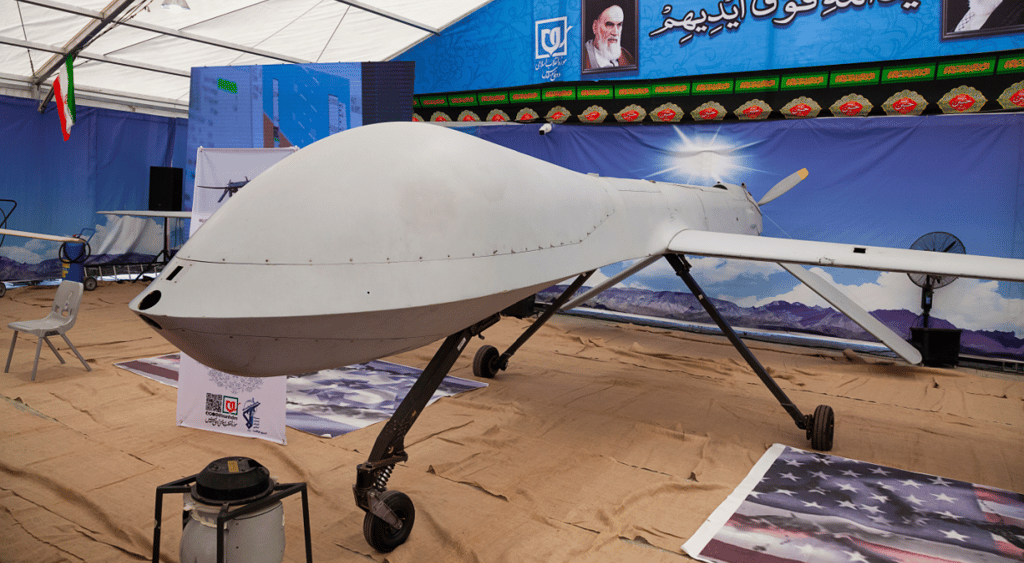
Furthermore, Iran, which, according to the DoJ, has captured US military drones in the past, has boasted of its ability to build several model drones by reverse engineering American UAVs.
As for the near future, security researchers and defense officials have warned that drones are increasingly operating like networked computers – vulnerable to reverse engineering, firmware analysis, signal interception, and even hijacking.
The conversation on this topic is live. Join in the discussion.
Engineering experts tell Cybernews that as drones get smarter and more software-driven, advances in satellite connectivity, edge AI, and swarm coordination are making them a much bigger cyber threat.
Throw drone swarms into the mix, and you essentially have what has been described as a powerful drone “botnet.”
Strong password generator

Unlock more exclusive Cybernews content on YouTube.