US officials confirm cyber role in Caracas blackout during Maduro raid
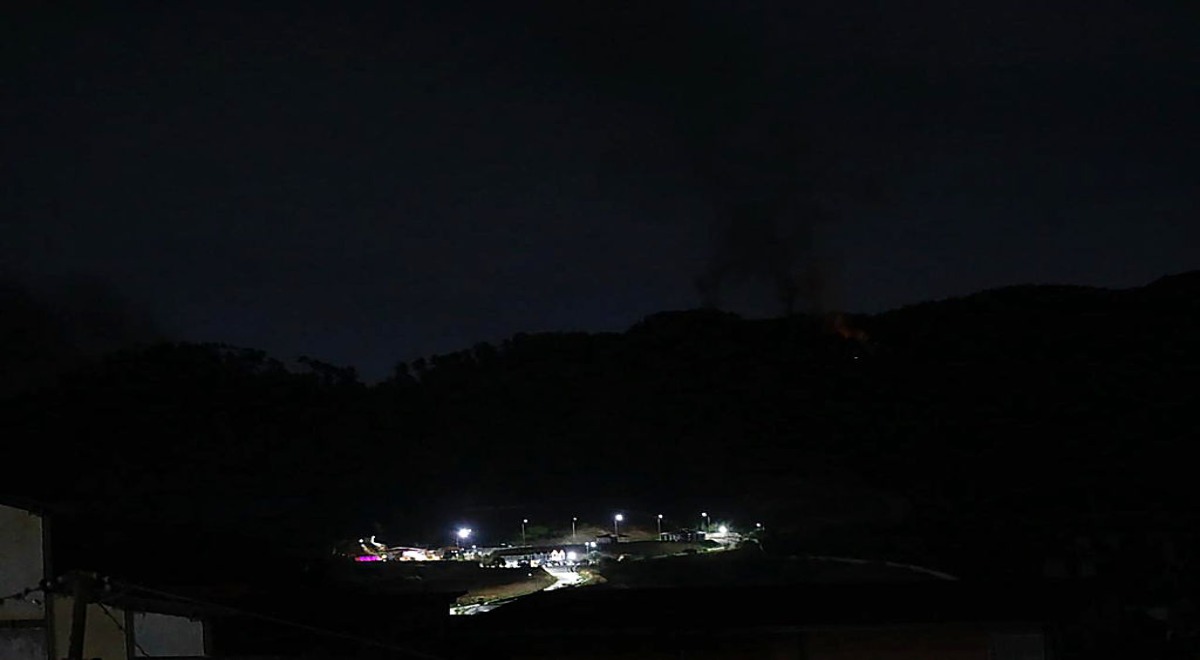
US forces briefly cut power across Venezuela’s capital as part of a “layered” military operation in which offensive cyber capabilities played a role, according to American officials briefed on the mission.
Getty Images

 Follow us
US forces briefly cut power across Venezuela’s capital as part of a “layered” military operation in which offensive cyber capabilities played a role, according to American officials briefed on the mission.
The New York Times reported on Friday that the blackout on 3rd January, ahead of the US abduction of Venezuela’s president, Nicolás Maduro, was caused by a cyberattack, citing unnamed officials familiar with the operation.
If accurate, it would represent one of the clearest public indications yet that the US has used cyber tools to produce real-world infrastructure disruption during an overseas raid, something rarely acknowledged given the highly classified nature of such operations.
President Donald Trump appeared to hint at the US role in the outage during a press conference following the raid, known as Operation Absolute Resolve.
“It was dark, the lights of Caracas were largely turned off due to a certain expertise that we have, it was dark, and it was deadly,” Trump said.












According to the NYT, the cyber operation cut power to most residents of Caracas for only a few minutes. However, in neighborhoods closer to the military base where Maduro was seized, the outage lasted far longer – three days in some cases.
The report also said that officials close to the operation confirmed that US forces used hacking capabilities to disable Venezuelan air defense radar ahead of the incursion, potentially reducing the risk of resistance from the country’s military and limiting the ability of its forces to respond.
US Cyber Command response muted
Despite the reported cyber capabilities, the US Cyber Command has kept its public response carefully measured.
The NYT noted that during testimony before the Senate committee last week, one of the command’s potential future leaders, Gen. Joshua M. Rudd, “sidestepped even general questions about the command’s offensive capabilities.”

In a statement described by the newspaper as “ambiguous,” the US Cyber Command said it “was proud to support Operation Absolute Resolve” without confirming whether it had directly caused the blackout.
Cyber-induced power outages remain rare and politically sensitive. Russia’s military-linked hacking group Sandworm is widely considered the only actor to have repeatedly caused confirmed electricity blackouts through cyberattacks, disrupting parts of Ukraine in several incidents beginning in 2015.
Why Venezuela’s history of power outages muddies the waters
However, analysts caution that Venezuela’s long-standing infrastructure instability makes it hard to distinguish deliberate cyber effects from systemic failure.
The country has faced years of grid disruption, driven in part by heavy reliance on hydroelectric power as the government conserved oil for export.
Caracas is therefore usually prepared for outages, with many hospitals and critical services already operating backup generators.
Security researchers have suggested that any attack on Venezuela’s power systems would likely involve Supervisory Control and Data Acquisition (SCADA) networks connected to the Guri Dam, which provides roughly 70% of the country’s electricity.
Like much industrial infrastructure, such systems were built for reliability, not resilience against nation-state cyberattacks.
Analysts at the UK defense think tank RUSI noted last week that Cyber Command’s silence may be strategic, allowing the US to preserve access while avoiding disclosure of methods or targets.
But it warned that operational secrecy can clash with political pressure to advertise America’s “multi-domain" power – including offensive cyber.
Whether the US becomes bolder in publicly announcing such capabilities, RUSI said, remains open to question.
Unlock more exclusive Cybernews content on YouTube.