How brickwork, not Facebook, helped dark web cops trace an abused child
A new documentary featuring elite law enforcement units attempting to identify children appearing in sexual abuse material has shown how these cases are often cracked. It’s not always about the use of technology, but about spotting tiny, revealing details in images or chat forums.

 Follow us
A new documentary featuring elite law enforcement units attempting to identify children appearing in sexual abuse material has shown how these cases are often cracked. It’s not always about the use of technology, but about spotting tiny, revealing details in images or chat forums.
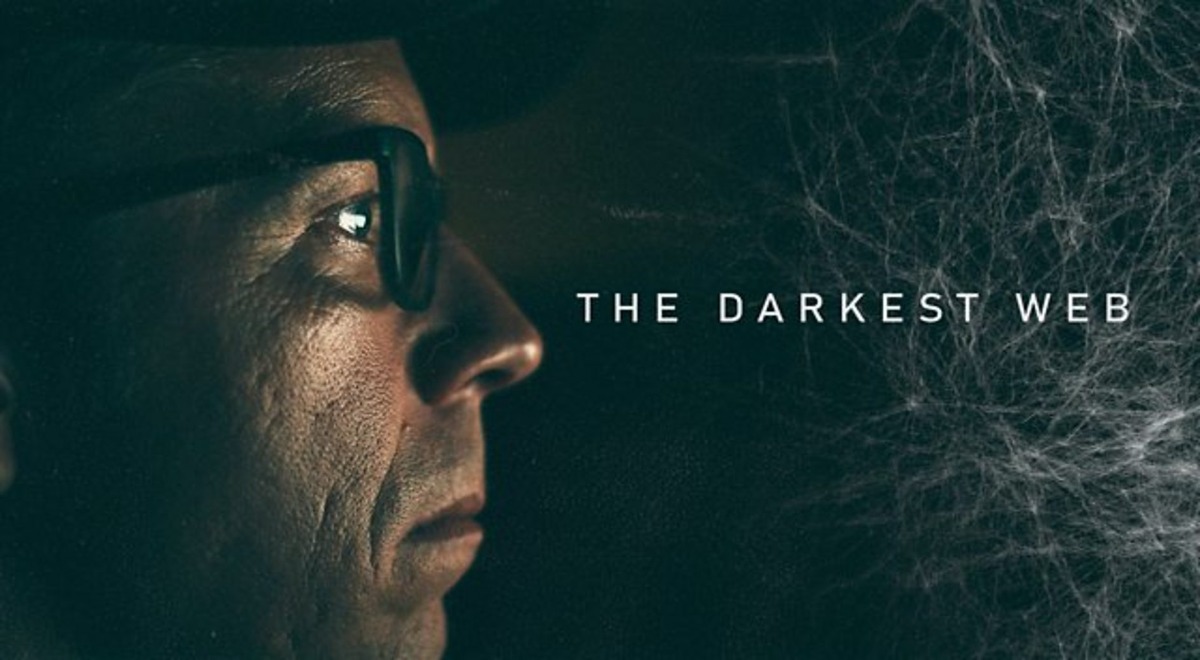
A BBC World Service/Storyville team spent five years filming with US Department of Homeland online investigator Greg Squire and other units in Portugal, Brazil, and Russia.






The Darkest Web shows law enforcement teams solving cases such as that of a kidnapped seven-year-old in Russia, and the arrest of a Brazilian man responsible for five of the biggest child-abuse forums on the dark web.
It also recalls a story involving Squire, who, earlier in his career, had hit a dead end in his efforts to rescue an abused girl his team had named “Lucy.”





According to Squire, disturbing images of the 12-year-old were circulated on the dark web, but the abuser was conscious of "covering their tracks," cropping or altering any identifying features, so that it was impossible to work out who, or where Lucy was.
Squire and his team knew that the type of light sockets and electrical outlets visible in the images meant that Lucy was most likely located in North America.
They contacted Facebook, which at the time dominated the social media landscape, asking for help scouring uploaded family photos to see if Lucy was in any of them.
However, the social media platform, despite having facial recognition technology, said it "did not have the tools" to help.
Squire and his colleagues analysed everything they could see from the footage of Lucy's room: the bedding, clothes, and stuffed toys.
A minor breakthrough came in the form of a sofa featured in some of the images, which was sold regionally rather than nationally, limiting the customer base. But this still only narrowed it down to 29 US states.
Then the team started looking at the exposed brick wall in Lucy's bedroom. Squire approached the Brick Industry Association.
How can the brick industry help?
“The woman on the phone was awesome,” Squire tells the BBC.
“She was like, 'How can the brick industry help?'"
She offered to share the photo with brick experts all over the country. The response was almost immediate, he says.

Brick experts who got in touch included John Harp, who had been working in brick sales since the early 1980s.
Harp noticed that the brick was a very pink-cast brick with a charcoal overlay and identified the modular eight-inch brick as a "Flaming Alamo."
“Our company made that brick from the late 60s through about the middle part of the 80s, and I had sold millions of bricks from that plant."John Harp, US brick salesman
While the sales records were just a "pile of notes" (not even Excel spreadsheets were used in records), Harp revealed that the bricks were “very heavy” and that “heavy bricks don't go very far."
From that list of 40 or 50 people, it was easier for the team to trawl their social media and find a photo of Lucy on Facebook with a female adult who looked as though she was close to the girl.
Remembering Flaming Alamos
From this new data, detectives worked out the woman's address, then used it to find every other address associated with that person and all the people they had ever lived with.
Police didn’t want to go to the door in case it alerted potential suspects, but Squire and his colleagues began sending photos of these houses to the brick expert.
The team asked Harp to assess – by looking at their style and exteriors – whether these properties were likely to have been built during a period when Flaming Alamos was on sale.
"We would basically take a screenshot of that house or residence and shoot it over to John and say, 'Would this house have these bricks inside?'" says Squire.

A breakthrough came when they found an address that Harp believed was likely to feature a Flaming Alamo brick wall, and was on the sofa customer base list.
The team realised that in the household with Lucy was her mother's boyfriend, a convicted sex offender. Within hours, local Homeland Security agents had arrested the offender, who had been raping Lucy for six years.
He was later sentenced to more than 70 years in jail.
The film shows the moment where Greg met Lucy, now in her 20s, met for the first time last summer. She said that at the point Homeland Security ended her abuse, she had been "praying actively for it to end."
"Not to sound cliché, but it was a prayer answered.”
Squire says of the film, directed by Sam Piranty: “Every day, my work takes me into some of the darkest corners of the internet, but I do it because every child deserves to be safe, to be a child.
“Infiltrating and exposing these networks isn’t just about stopping the abusers; it’s about giving survivors a chance to reclaim their futures.
“If this film shows anything, I hope it’s that none of us can look away. The children deserve the very best we have."
Facebook told the BBC that it wasn’t possible to use facial recognition technology to assist the hunt for Lucy, due to privacy laws. "To protect user privacy, it's important that we follow the appropriate legal process, but we work to support law enforcement as much as we can,” a spokesperson said.