Cyber blackmail hits one in ten families, new data reveals
Almost one in ten UK parents say that their child has been blackmailed online, with threats ranging from the release of intimate pictures to disclosing information about their sexuality.

Image by Luce Morin | Shutterstock

 Follow us
Almost one in ten UK parents say that their child has been blackmailed online, with threats ranging from the release of intimate pictures to disclosing information about their sexuality.
Children’s protection charity NPCC also found that one in five parents knows a child who has experienced online blackmail, but that a significant number were afraid to talk to their children about the issue.
A third of parents said that they didn’t want to talk about online blackmail in case it scared their children, while 29% felt there was never a right time to raise the subject because of their child’s current mood.
A quarter of those surveyed added that another barrier was their child’s reluctance to talk about sensitive subjects.
Sextortion methods





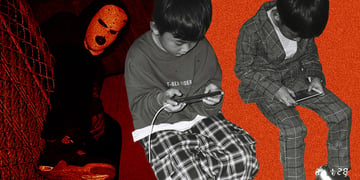
Blackmailers often use private messaging platforms to communicate their threats to children and young people – sometimes actively moving conversations with children into these private spaces after starting them on more open platforms.
Criminals are also using AI to craft profiles pretending to be around the same age as the young victims they’re targeting. Victims are then fooled into sending nude images or videos to matches who aren’t who they say they are. Later, these victims are blackmailed into paying money to the extortionist.
The NPCC survey, which based its findings on a survey of more than 2,500 parents, also revealed that one in three parents felt that tech companies and the government were failing in their duty to protect children from online blackmail.
Instead, parents felt that charity organizations, schools, and educators were doing much more to help prevent this harm.






Rani Govender, policy manager at the NSPCC, said that the scale of online blackmail across the country should prompt big tech and the government to take action.
"With one in three parents saying that tech companies and the government are failing to prevent young people from experiencing online blackmail, it's clear that urgent action is needed,” she said.
“Children deserve to be safe online, and that must be built into the very fabric of these platforms, not bolted on after harm has already been done.”
Govender also urged parents to find ways to have difficult conversations with their children in an age-appropriate way.
“Knowing how to talk about online blackmail in an age-appropriate way and creating an environment where children feel safe to come forward without fear of judgment can make all the difference,” she added.
Unlock more exclusive Cybernews content on YouTube.