Ghana’s “Sakawa Boys” scam British women in online romance fraud as digital retribution for colonialism
Ghana’s notorious Sakawa Boys are running sophisticated online romance scams, targeting wealthy Western women and justifying their crimes as “digital reparations” for colonial exploitation.
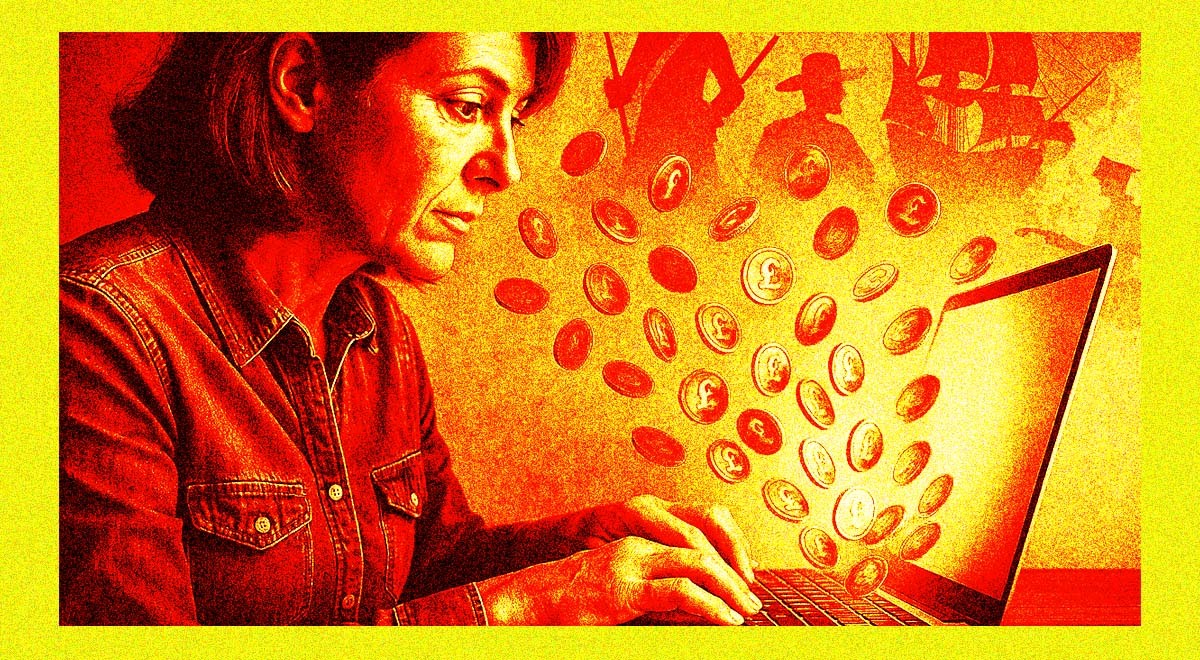
Image by Cybernews

 Follow us
Ghana’s notorious Sakawa Boys are running sophisticated online romance scams, targeting wealthy Western women and justifying their crimes as “digital reparations” for colonial exploitation.
Ghana has emerged as a hotspot for online romance scammers, known locally as Sakawa Boys, who target wealthy Western women.
Fraudsters often pose as white men on Facebook, claiming to be soldiers, bankers, or government officials to appear credible.
Many operate from what are called hustle houses – half dormitory and half training ground – where young men learn the craft of emotional manipulation.
The scams rarely run independently. Several people may work together to keep up trust and prolong the deception.





Scams as digital retribution
Some scammers describe their crimes as payback for British colonialism, saying they are reclaiming what was stolen from their ancestors.
The Telegraph reported that Sakawa Boys often use the phrase “reclaiming resources,” a saying passed between them.
Even a few local police officers have shown sympathy, admitting the legacy of colonialism still shapes moral reasoning today.
For scammers, it becomes a way to call crime resistance, not just theft.
The human and financial toll
Victims are strung along for months, sometimes surrendering hundreds of thousands of pounds to men they believe they love.
Even once the scam is exposed, some women still say the scammer “needed the money more.”
Scammers often pick middle-aged women, believing they will forgive and are less likely to report.
The damage goes deep, money drained and scars that linger much longer.

The broader cybercrime picture
Ghana now ranks among the world’s worst for cybercrime, with West Africa a growing hub for scams.
Interpol recently coordinated a sweep across 18 nations, hauling in over 1,200 suspects and recovering about £73m.
Romance is not the only trick. Fake job adverts pull in others, some pushed into debt bondage or trapped in compounds used as training grounds.
The picture is bigger, darker, and more organised than a single love con.
History meets modern fraud
At the LSE (London School of Economics), Dr. Suleman Lazarus noted how scammers lean on colonial history to excuse fraud.
As one scammer told researchers in interviews cited by Dr. Suleman Lazarus’s 2025 study:
“Now we carry the codes, the format and the skills… reclaiming what was taken by the white people.”
This way of thinking recasts fraud as reclamation rather than crime.