Fraudster raked in $1.4M posing as popular crypto influencers on Telegram, lands in prison
A New York fraudster posed as popular crypto influencers on Telegram, lured victims with fake staking schemes, and stole more than $1.4 million in crypto before landing in federal prison.

Image by kovop | Shutterstock

 Follow us
- A New York fraudster posed as popular crypto influencers on Telegram to steal more than $1.4 million in crypto.
- The scam used fake investment opportunities, paid VIP memberships, and Telegram ads to lure victims.
- The FBI traced the stolen funds to a crypto wallet holding 300 Ethereum and recovered most of the money.
Key Takeaways by nexos.ai, reviewed by Cybernews staff.
A New York fraudster caught impersonating several well-known fin-fluencers on Telegram is headed to prison after tricking users into handing over more than $1.4 million in crypto for fake investments.
The US Department of Justice says 39-year-old Noman Saleem from Queens and Long Island ran the elaborate scheme through the encrypted messaging platform, luring users with fake investment opportunities, monthly crypto memberships, and more.
Not only did Saleem run the fake accounts, but he also promoted them using Telegram ads that ran for months at a time – with one account gaining thousands of followers.






“Saleem conspired to steal victims’ money — including a victim in Maryland — under the guise of a crypto staking or crypto investment opportunity with guaranteed returns,” the DoJ said.
According to the DoJ, Saleem stole at least $1,415,067.14 worth of crypto from victims located across multiple states between December 2020 through at least March 2021.
The crypto thief pleaded guilty to wire fraud last September and was sentenced this month to 15 months in federal prison – a far cry from the 20 years he was facing in connection with the crime.
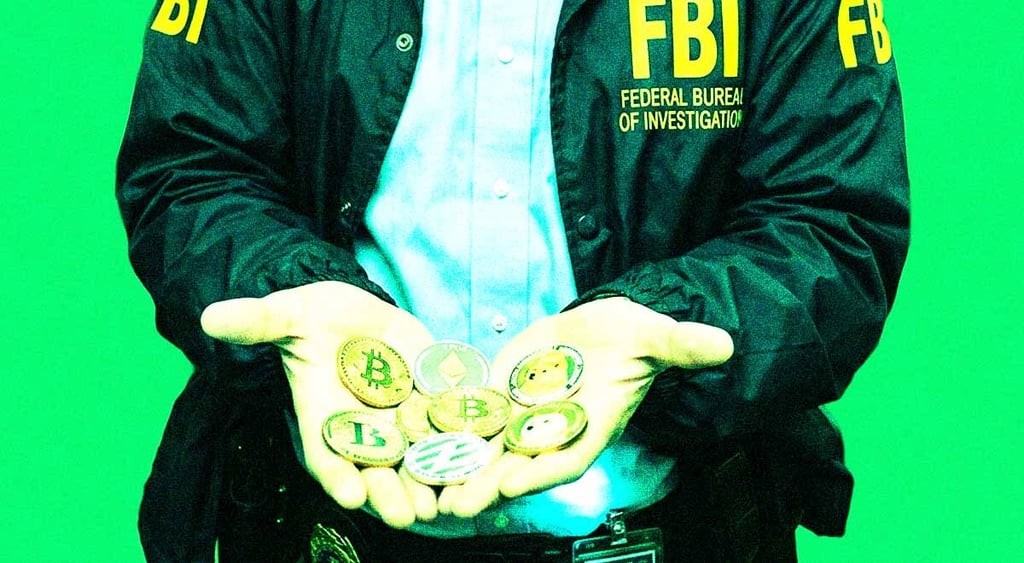
The FBI was also able to recover most of the stolen funds after finding a crypto wallet linked to Saleem containing 300 Ethereum (ETH), worth nearly $1.5 million at the time.
Thousands joined the fake Telegram channels
Although the DoJ did not reveal the names of the real influencers that were used as bait, the individuals were described as “well-known cryptocurrency opinion leaders on Telegram.”
According to the finance and Web3 licensing service Aiying, these fake Telegram accounts are referred to as KOL (Key Opinion Leader) channel systems and are often found across platforms like YouTube, X, TikTok, and Web3/crypto communities.

Calling Saleem’s operation “highly systematic and deceptive,” Aiying further broke down the scam into three dinstict levels.
The first is the “Public Channel Layer,” in which Saleem created a Telegram username identical to that of a well-known crypto influencer. Not realizing the influencer’s public channel is a fraud, the fake channel gains thousands of followers.
Second is the launch of a “Paid VIP Tier,” which helps to drive traffic through the public channel.
Saleem was said to have launched a paid VIP sub-channel, charging users roughly $500 to $600 in subscription fees paid to him in crypto. VIP members received access to direct private messaging and other perks – all to “reinforce the illusion of trust,” Aiying explains.

The final layer of the scheme is called the “Investment Conversion Layer.”
“Saleem used a fake staking investment program as bait, promising fixed returns of 30-90 days and claiming that the more you invested, the higher the returns,” Aiying said.
And if that wasn't enough, the DoJ said Saleem created an additional handle mimicking a second popular crypto influencer, also launching a paid VIP membership for that public channel as well.
What is crypto staking?
Crypto staking allows investors to earn rewards by "locking up" their cryptocurrency to help validate transactions and secure a blockchain network.
Locking up a certain coin means the holder agrees not to sell, buy, or trade the crypto for a specified period of time – often earning more of that coin as a reward.
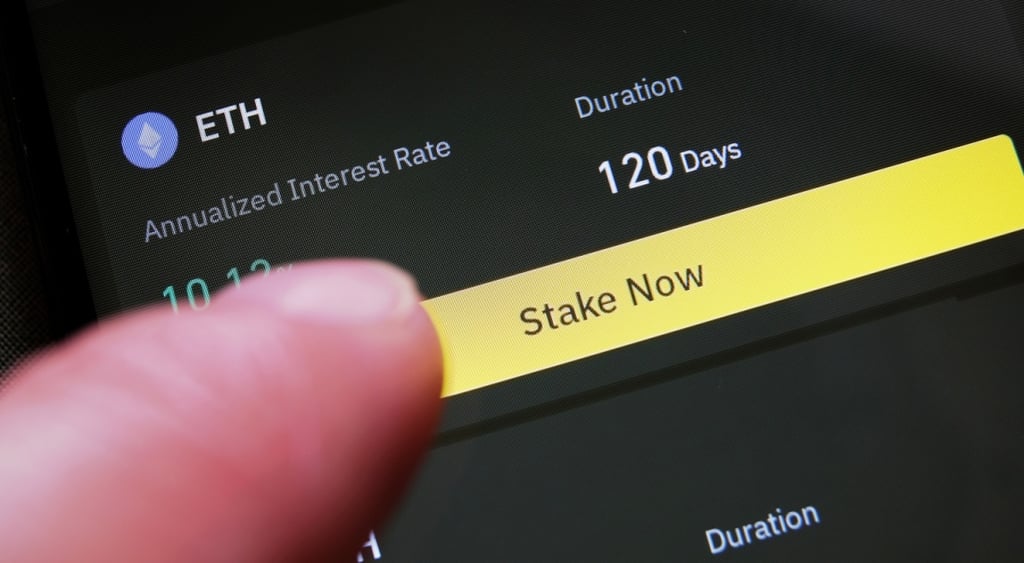
And while staking is a legitimate investment strategy offered by many crypto platforms, the concept is commonly exploited by scammers promising unrealistic returns.
Saleem’s victims were told he would lock up their crypto, guaranteeing them a return on their staked investment.
But instead, as soon as Saleem received a victim’s funds, he disappeared and was never to be heard from again.
The DoJ noted that Saleem never actually staked any of the crypto.