We’re inextricably tied to our tech, and cyberstalkers know it
The newest Netflix true crime documentary, “Unknown Number: The High School Catfish,” illuminates our complex and inescapable relationship with tech in the most disturbing way possible.
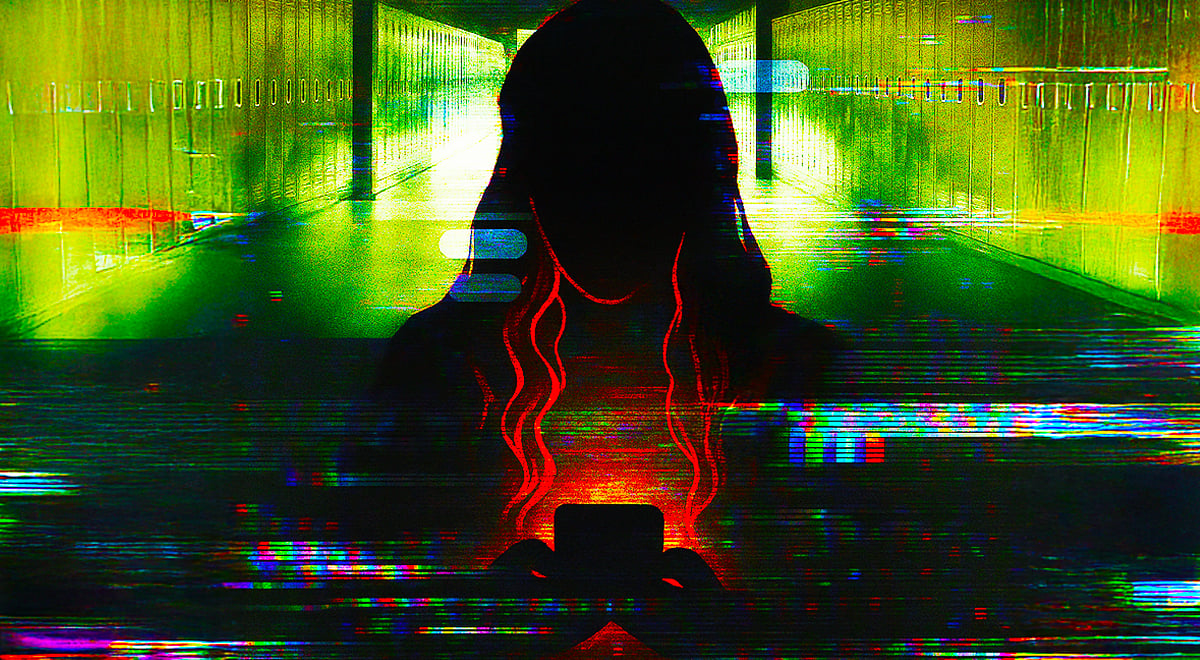
Image by Cybernews

 Follow us
The newest Netflix true crime documentary, “Unknown Number: The High School Catfish,” illuminates our complex and inescapable relationship with tech in the most disturbing way possible.
WARNING: MILD SPOILERS AHEAD.
Rapper and artist Tyler, the Creator, famously said: “How the f**k is cyberbullying real…just walk away from the screen…close your eyes.”
Hahahahahahahaha How The Fuck Is Cyber Bullying Real Hahahaha Nigga Just Walk Away From The Screen Like Nigga Close Your Eyes Haha
undefined T (@tylerthecreator) December 31, 2012
This then became a memeable example of what to do if you’re being cyberbullied: close your eyes and get offline. It should be as simple as that, right?






Well, unless you live in an extremely conservative culture away from the rest of the world, most of us have a close relationship with technology.
These days, it's impossible to simply “walk away from the screen,” and that’s what the latest Netflix cybercrime documentary has proven.
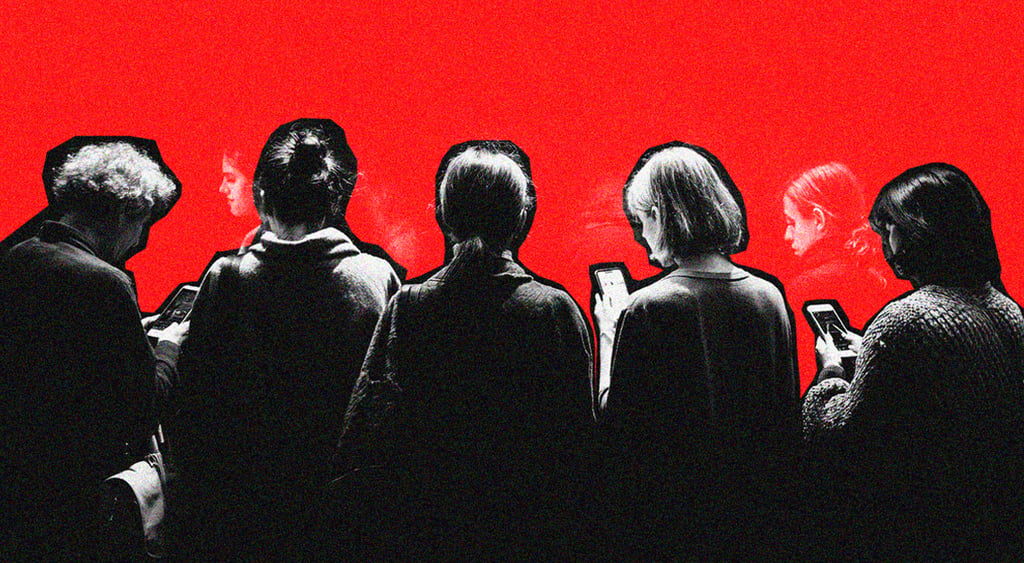
“Unknown Number: The High School Catfish”
The documentary “Unknown Number: The High School Catfish” takes place in the tiny town of Beal City in Michigan, US. It’s an extremely quiet and small area with only two bars, and the most fun people have in Beal City is walking the four-square-mile distance around the town.
Beal City reportedly had just over 300 residents and was relatively unknown until the Netflix documentary aired in August 2025.
Not only does the documentary highlight the disarray that can occur in small suburban America, but it also illuminates the inextricable relationship between teens and technology.
The central character and primary victim, Lauryn Licari, can be seen desperately staring down at her phone for the majority of the documentary as she receives upwards of 40 to 50 disturbing text messages per day from an unknown number.
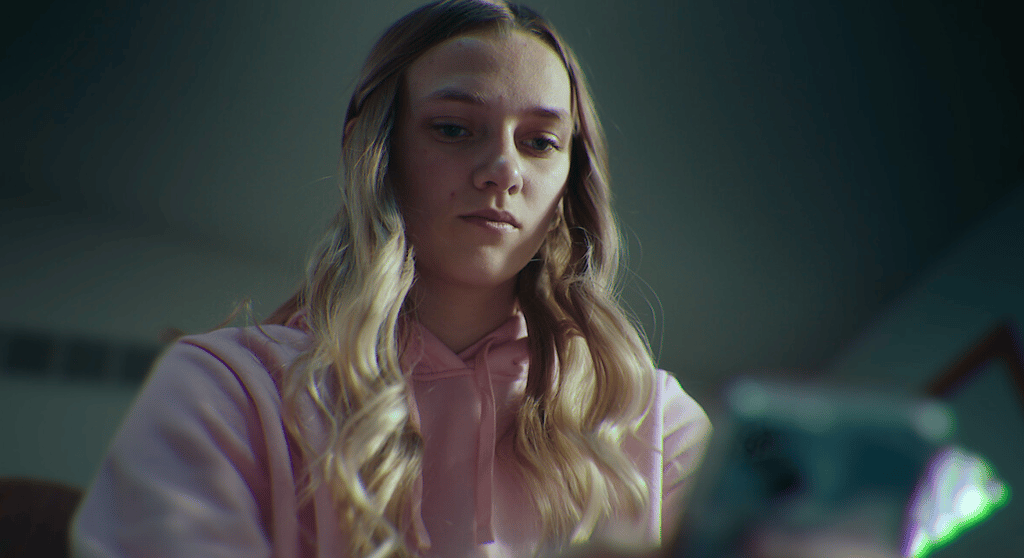
It all started in October 2020, when Lauryn, then 13, and her boyfriend at the time, Owen McKenny, found themselves trapped in an online battle with an unknown online stalker.
At first, the messages urged McKenny to break up with Lauryn while hurling insults at her through her phone screen.
Then, as cyberbullying does, it escalated to demands for Licari to take her own life, telling her to go and kill herself first before the unknown texter gets a hold of her.
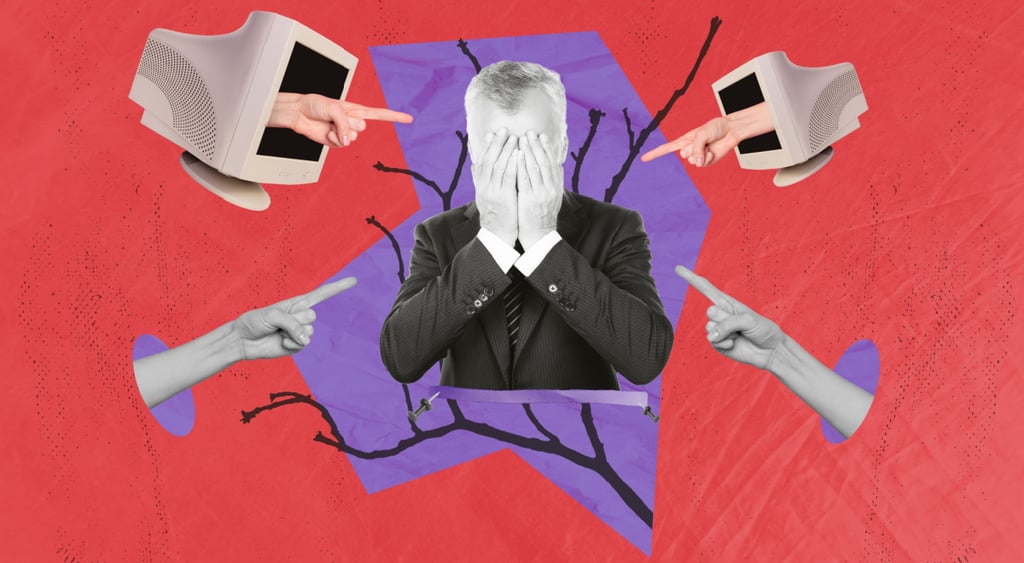
The usual suspects in a cyberbullying case – the kids
As one would expect, turbulent school-time relationships are to blame for the cyberbullying inflicted on McKenny and Licari.
Many of their classmates are called into question, interrogated by police, and asked to give over their devices for screening.
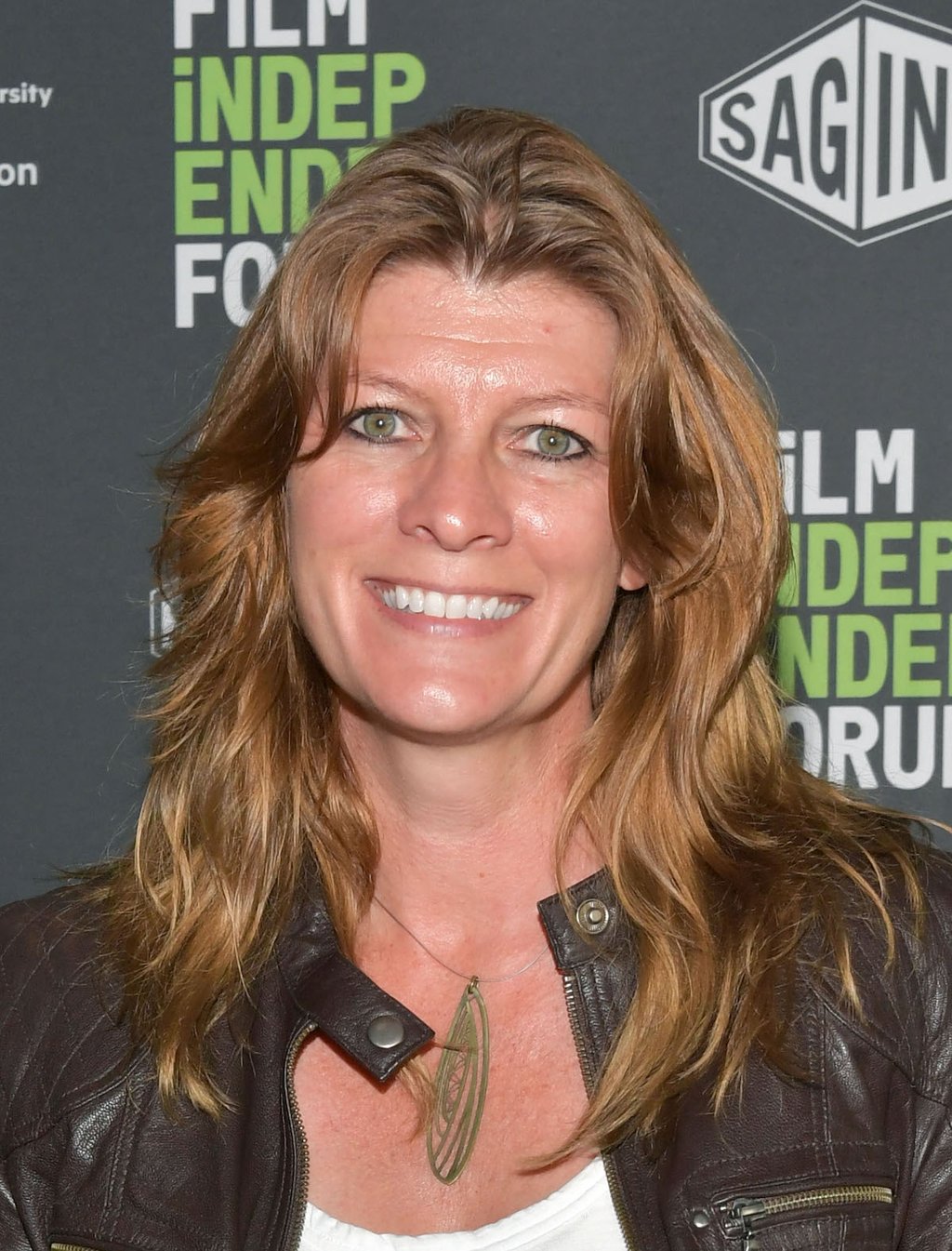
The American director responsible for the true crime documentary, Skye Borgman, believed it was absolutely essential to show what the suspects went through during the case.
As rumours spread, it became a case of who to trust and who not to trust, spreading fear and paranoia around the little town of Beal City.
“Not being believed by friends at school, losing friends at school because they’re taking sides. All these big things happening because of these text messages being bandied about are real things that happen to high school students today, to middle school students today,” Borgman told Tudum by Netflix.
In the end, none of the teenagers who were suspected of stalking McKenny and Licari were found to be involved.
However, the person who harassed the two teenagers for almost two years will shock you.
But you’ll have to watch the documentary to find out who the stalker really is.
“Unknown Number” isn’t just a documentary
The problem with this documentary isn’t the harrowing contents or the lack of regulation when it comes to schools and phone bans.
It’s the relationship we have with technology. Think about it. We need them to pay for items, navigate our way through towns and streets, and communicate with our loved ones via our phones.
But, unfortunately, technology becomes a vehicle for bad actors to commit cybercrime, scam, and harass vulnerable people.
You might be thinking, “Why didn’t their parents just take their phones away?” But it’s become a lot more difficult to divorce ourselves from our devices.

We’ve become so intertwined with our tech that it’s become a central part of most people’s lives, particularly young people, as shown in the documentary.
“Unknown Number: The High School Catfish” is more than just a documentary – it delves into our often problematic relationship with technology.
Big tech has made it easy for us to become overly reliant on the technology it provides, but it does little to mitigate its negative effects.
Therein lies a question: Who’s responsible for mitigating cybercrime? Is it the FBI, schools, parents, or big tech companies?
That, unfortunately, is a question that can probably never be answered.