AI could bring back the magic that Disney forgot
With anime like Demon Slayer racking up billions of views and AI making 2D faster, cheaper, and sharper, Disney’s hiatus from hand-drawn magic (like The Lion King) looks like a missed opportunity.

Image by Cybernews

 Follow us
With anime like Demon Slayer racking up billions of views and AI making 2D faster, cheaper, and sharper, Disney’s hiatus from hand-drawn magic (like The Lion King) looks like a missed opportunity.
A few months ago, Netflix reported that over half its users are anime viewers. With anime content having over a billion views in 2024, you might be left wondering how this actually happened.
There’s no doubt Netflix invests a whopping amount of money, and other platforms like Hulu and Crunchyroll are also witnessing a huge spike in anime popularity. So, what created this vast appetite?
Pixels over princes
After Disney largely stopped producing 2D animation in 2013, following the disappointing performance of the 2D Winnie the Pooh in 2011, most of its efforts were concentrated on CGI films like Frozen and Zootopia.






But it was the live-action remakes of classic films like The Jungle Book and Dumbo that left many scratching their heads. With the audience no longer needing to suspend disbelief, a lot of the magic was lost.
Audiences still crave strong doses of 2D magic for its texture and storytelling aspects. In Japan, “anime” isn’t a genre per se – it’s more a layered opportunity for storytelling, and it’s definitely not just aimed at children.
However, the resounding success of Demon Slayer: Mugen Train, which has earned $500M on a $15M budget, shows that 2D animation needn’t be viewed as old-fashioned.

Brush meets algorithm
AI has been an accelerant in the processes of in-betweening, coloring, and motion. Generative models can mimic the brush strokes formerly done by hand with minimal input.
Marvel’s 2023 film Spider-Man: Across the Spider-Verse, a 2.5D animation style, a choppier blend of 3D models with hand-drawn 2D elements, reflected the comic book style with the help of basic machine learning.
Triumphs like these show that the appetite for 2D animation still lingers. Despite Disney's successes in acquiring Marvel, Lucasfilm, and 21st Century Fox, fans aren’t always thinking just about money.
Western studios often confine animation to family-friendly style models, ignoring mature themes like romance, mental health, or violence. This difference helped anime attract a whole generation of fans, especially millennials who grew up with Naruto and One Piece, as well as Rick and Morty and Adventure Time.
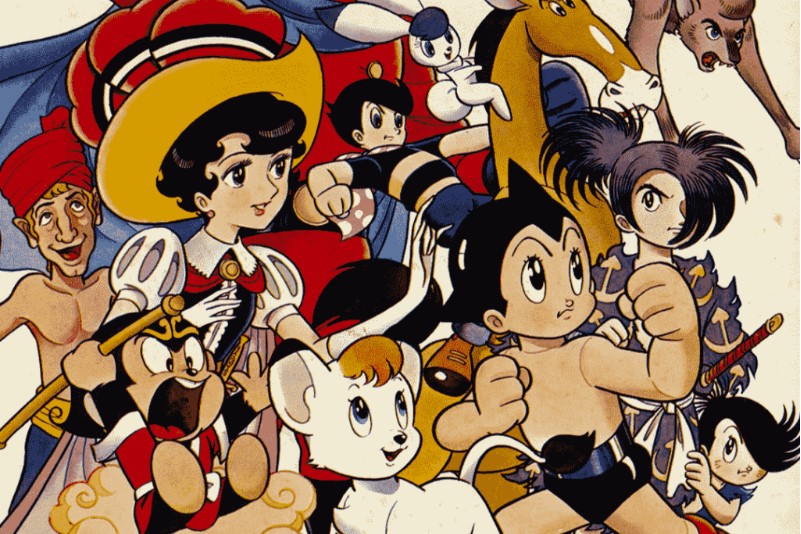
Early anime even borrowed from Disney's expressiveness, with pioneer Osamu Tezuka capturing the flourish of Disney in his work from the 1950s to the 1980s.
Drawing the future
Indie creators can rival big studios by using AI-assisted pipelines like Runway or Pika Labs, which can produce a series with professional polish.
Netflix’s three-minute short Dog and the Boy (2023) used AI backgrounds, signalling the start of mainstream AI adoption for hybrid animated content, along with hand-drawn visuals.
Curious what others think about this story? Contribute your thoughts to the debate below.
However, this faced a significant backlash from artists who expressed concerns about being automated out of a job. Thus, the integration seems piecemeal and not (yet) dominant.
So, it seems that 2D isn’t dead. As with the case of the original Disney movies, emotion and authenticity can conquer realism, and maybe Disney Sleeping Beauty can be rewoken after all.






Unlock more exclusive Cybernews content on YouTube.