Best minimalist fitness trackers in 2026 – discreet and screen-free picks
Being behind major reports like The Mother of All Breaches and RockYou2024, our in-house cybersecurity experts and journalists provide unbiased, real-world testing and in-depth analysis.
We maintain complete transparency by openly sharing our testing methodologies with our audience.
Learn more

To adopt healthier habits and counter the effects of modern sedentary lifestyles, many turn to fitness trackers. Yet, most of us already spend an absurd amount of time on our phones and computers, so not everyone wants another screen to stare at.
That’s where minimalist fitness trackers come into play. Unlike bulky smartwatches, which often mimic smartphone functionality and require daily charging, smart rings, screen-free bands, and similar wearables deliver distraction-free wellness data with much longer battery lives.
In need of such a device myself, I teamed up with the Cybernews research crew to find the best minimalist fitness trackers in 2026. We reviewed the available data, including brand claims, official specifications, and user feedback.
Below are the results of our research: five devices for users who just want health-related data with no screens, distractions, or flashy designs.
Best minimalist fitness trackers – shortlist
- Hume Band 2.0 – best minimalist wellness and fitness tracker overall
- RingConn Gen 2 – smallest fitness tracker on this list
- Oura Ring 4 – top premium-looking yet discreet fitness tracker
- WHOOP 5.0 – best subscription-based fitness band without a screen
- Withings ScanWatch 2 – top-tier watch-like minimal fitness tracker


Our team of in-house researchers, writers and editors reviews and analyzes health tech products using a research-driven approach. We gather data from multiple sources, fact-check all information, and conduct our research based on peer-reviewed studies, expert opinions, consumer ratings, and regulatory approvals.
You can learn more about how we test health tech products here.
The best minimalist fitness trackers compared
Before we get things rolling, let’s take a quick peek at how these top five minimalist fitness trackers stack up in terms of key features:
| Fitness tracker | Our rating | Type | Weight and size | Battery life | Display | Sleep tracking | Heart rate and SpO₂ | Subscription required | Best for |
| Hume Band 2.0 | ⭐ 4.6/5 | Screenless band | N/A | Up to 14 days | ❌ No | ✅ Yes | ✅ Yes | ❌ No | Wellness-focused users |
| RingConn Gen 2 | ⭐ 4.5/5 | Smart ring | 2–3g and 6–14 US ring sizes | Up to 12 days | ❌ No | ✅ Yes | ✅ Yes | ❌ No | Subscription-free ring-based tracking |
| Oura Ring 4 | ⭐ 4.5/5 | Smart ring | 3.3–5.2g and 4–14 US ring sizes | Up to 8 days | ❌ No | ✅ Yes | ✅ Yes | ✅ Yes | Solid HR and HRV tracking |
| WHOOP 5.0 | ⭐ 4.4/5 | Screenless band | N/A | Up to 14 days | ❌ No | ✅ Yes | ✅ Yes | ✅ Yes | Personalized daily workout insights |
| Withings ScanWatch 2 | ⭐ 4.3/5 | Analog and smart watch hybrid | 34g at 38mm case or 53g at 42mm case | Up to 35 days | ✅ Yes | ✅ Yes | ✅ Yes | ❌ No | Casual analog watch enthusiasts |
Best minimalist fitness trackers – detailed reviews
Now that you’ve seen my top picks, we can explore each one individually and see what they’re all about:
1. Hume Band 2.0 – best discreet fitness tracker in 2026
| Price tier | Mid-range |
| Type | Fitness band without a screen |
| Battery life | Up to 14 days |
| Subscription | ❌ Not required |
| Best for | Most users seeking a minimalist fitness tracker |
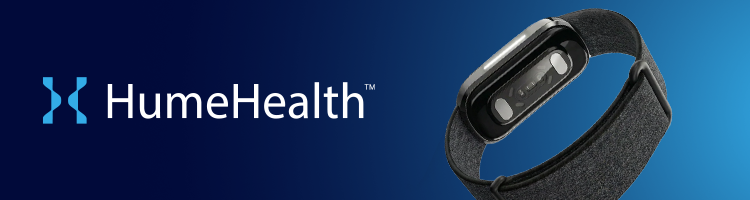
Hume Band 2.0 isn’t your run-of-the-mill fitness band. This screen-free device goes beyond daily fitness snapshots and focuses on long-term wellness, including metabolic capacity, momentum, and blood pressure trends. Lightweight and designed for maximum flexibility, it delivers 24/7 comfort, IP68 water resistance, and up to two weeks of tracking on a single charge.
2. RingConn Gen 2 – a top-tier wearable step tracker in a ring form
| Price tier | Mid-range |
| Type | Smart ring |
| Battery life | Up to 12 days |
| Subscription | ❌ No |
| Best for | Subscription-free ring-based fitness tracking |
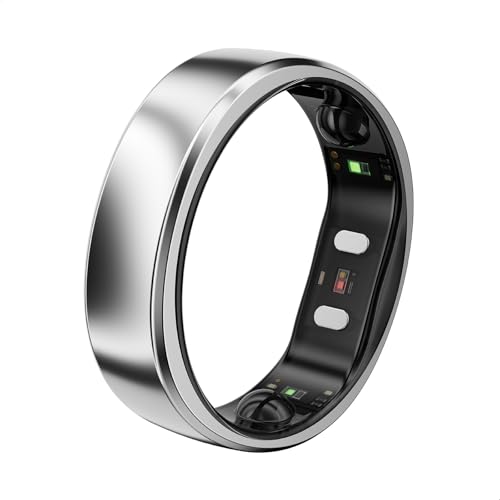
If you want a fully subscription-free experience, RingConn Gen 2 is where it’s at. Crafted from aerospace-grade titanium with a touch of epoxy resin on its sensor domes, this smart ring is all about screenless, distraction-free fitness tracking. It’s also equipped with a 22mAh battery that’ll last 10+ days on a single charge.
3. Oura Ring 4 – premium ring-based fitness tracker with no screen
| Price tier | Premium |
| Type | Smart ring |
| Battery life | Up to 8 days |
| Subscription | ✅ Yes |
| Best for | Reliable ring-based HR and HRV tracking |
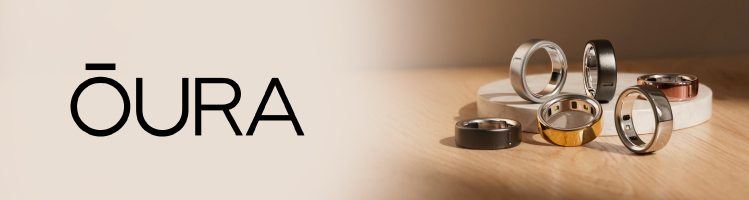
Oura Ring 4 is another rock-solid option for fans of smart ring-based tracking. While this one requires a subscription and has weaker battery life than RingConn Gen 2, it also has an all-titanium build and stronger integrations. Oura Ring 4 is the most reliable fitness tracker on this list, particularly for heart rate (HR) and heart rate variability (HRV) data.
4. WHOOP 5.0 – best daily strain-focused non-watch fitness tracker

| Price tier | Entirely subscription-based |
| Type | Fitness band without a screen |
| Battery life | Up to 14 days |
| Subscription | ✅ Yes |
| Best for | Personalized daily insights |
If you’d prefer a wrist-based fitness tracker without a screen, WHOOP 5.0 has you covered. This screenless band is all about distraction-free tracking, and its companion app won’t overwhelm you either. Instead, it primarily focuses on daily strain, recovery, and stress-related insights. That said, WHOOP’s uncommon subscription-only model isn’t for everyone.
5. Withings ScanWatch 2 – watch-based fitness tracker with remarkable battery life

| Price tier | Premium |
| Type | Analog and smartwatch hybrid |
| Battery life | Up to 35 days |
| Subscription | ❌ Not required |
| Best for | Casual analog watch enthusiasts |
Withings ScanWatch 2 may not be a good choice for users who specifically want a fitness tracker that’s not a watch. But its analog watch experience with full smartwatch functionality sure is an excellent example of minimalist tech. The tiny digital display won’t get in your face, but HR, SpO₂, walking distance, and other fitness data are only available in the app.
Our methodology
The Cybernews researchers and I focused on extracting data from provider spec sheets and user feedback. From there, we carefully evaluated each device based on:
- Design and comfort (25%). First, we looked at the size and weight of each minimalist fitness tracker to assess how discreet they are. Meanwhile, verified comments from trusted review platforms provided valuable insights into daily wear and comfort.
- Tracking accuracy (25%). Next, we examined the sensors to assess the accuracy of each device’s fitness data. We also compared the data with that from proven clip-on fitness trackers.
- Features and insights (20%). Although activity-tracking accuracy was our primary concern, we also evaluated the breadth of insights each device provides, including HRV, recovery, and sleep-tracking features.
- Battery life (15%). One of the biggest advantages of screenless fitness tracking is extended battery life. It’s also something we paid close attention to, as we looked into both brand claims and real-world reports on battery life and charging speeds.
- Price and value (15%). Last but certainly not least, we assessed pricing data and compared costs across devices to determine which one offers the most value.
What is a minimalist fitness tracker?
Minimalist fitness trackers come in all shapes and forms, including smart rings, wristbands, and watch-based wearables. But regardless of form factor, they all focus on the same thing: passive, often screenless, distraction-free fitness tracking.
These devices use tiny sensors, such as accelerometers and optical heart rate monitors, to passively collect fitness data in the background. That typically includes metrics like HR, HRV, SpO₂, temperature, steps, activity, strain, and recovery.
But instead of displaying said data on tiny screens, they rely on Bluetooth syncing to send those readings to companion apps. From there, data is compiled and presented as valuable insights rather than just raw metrics.
As such, these discreet fitness trackers stand in sharp contrast to bulky smartwatches, which essentially offer smartphone-like functionality on your wrist. Their battery life is also much better than that of smartwatches, with most devices providing 7+ days of use on a single charge.
Key features of minimalist fitness trackers
Whether you’re looking for a more discreet fitness-focused wearable or you just don’t want another screen to stare at, these minimalist devices offer a much quieter alternative to smartwatches. Here’s what that means:
- Screen-free or ultra-minimal displays. Most of these devices entirely forgo screens for a distraction-free experience. Only the ScanWatch 2 uses a tiny digital display within an analog watch face.
- Sleep and recovery tracking. In addition to tracking activities, these screenless fitness trackers provide other valuable insights. Some specialize in advanced sleep tracking, while others offer data on strain and recovery.
- Comfort for 24/7 wear. Whether it’s recessed smart ring sensors, ultra-light design, or adjustability, these devices are as comfortable as can be.
- Long battery life. The lack of power-hungry screens means these devices can go at least a week on a single charge. And since the ScanWatch 2 has an ultra-small display, it also excels in battery life.
- Discreet design. The bands offer a sporty aesthetic, the smart rings completely disguise the tech as jewelry, and the ScanWatch 2 opts for a casual analog watch look.
- App-based insights instead of on-device interaction. Whichever of these fitness trackers you opt for, all interaction happens on your phone.
Best minimalist fitness trackers according to users
As we do for all things tech, the Cybernews crew and I ventured onto dedicated review platforms to gather data and see how users really feel about each of these fitness trackers. And as you can imagine, it’s not all cream and sugar.
Subscriptions are the biggest pain point and a primary reason users prefer Hume, Withings, and RingConn to Oura or WHOOP. Other negative comments primarily concern the lack of real-time feedback, although a few also indicate that Withings and Oura may struggle to detect non-cardio activities.
On the plus side, the unobtrusive design of these discreet fitness trackers is a massive hit. Oura and WHOOP, in particular, have received numerous positive comments regarding comfort, while accurate sleep data across the entire lineup is another major plus.
Overall, most users view these smart rings and screen-free wearables favorably, which indicates that the trend is here to stay. Who knows, such gadgets may even entirely replace noisy smartwatches in the future.
How to choose the best minimalist fitness tracker
If you’re on the hunt for a discreet fitness tracker, the first thing to ask yourself is whether you want an ultra-minimal digital display or no screens at all. From there, focus on these aspects:
- Additional tracking. Besides tracking activities, do you want your new device to prioritize strain and recovery scores or sleep stages?
- Comfort preferences. Do you prefer smart rings that look like jewelry, classic analog watch-like wearables, or screen-free wristbands?
- Subscription tolerance. Are you comfortable with a monthly or annual subscription, or would you prefer a device you can use out of the box with no additional fees?
- Battery life expectations. Is a week’s worth of fitness tracking enough for you, or do you want a device that you can charge once every 2-4 weeks?
- App quality and insights depth. Lastly, consider the companion app. Do you just want easy navigation and clearly presented data, more actionable insights, or something that supports long-term wellness rather than just daily snapshots?
Final verdict on the best minimalist fitness trackers
Ultimately, these devices make a lot of sense for anyone who wants discreet, comfortable fitness tracking with minimal interruptions.
If you can tolerate an ultra-minimalist display, Withings ScanWatch 2 is a great choice. But if you’re after the best screen-free option, go for WHOOP 5.0, or even Oura Ring 4 for a ring-based design.
That said, RingConn Gen 2 remains the best subscription-free smart ring, while the title of overall best minimalist fitness tracker goes to Hume Band 2.0. Whatever fits your style, know that you can’t go wrong with any of these devices.
Other reviews you might be interested in:
Best fitness trackers: comprehensive review by Cybernews
Best sleep trackers in 2026: top devices reviewed
Best fitness apps: crush your goals in 2026
Best fitness watch: top picks in 2026
FAQ
Are minimalist fitness trackers accurate?
Yes, to a degree. When it comes to tracking activities, these gadgets aren’t as accurate as a dedicated clip-on fitness tracker. However, all five devices on this list provide reliable HR, HRV, SpO₂, steps, and sleep data.
Do screen-free fitness trackers work without a phone?
No, all screenless fitness trackers require a smartphone. As there are no screens here, everything happens through a companion app, from the initial setup to daily metrics syncing and actionable insights.
Are smart rings better than fitness bands?
Not necessarily, as there’s no one-size-fits-all option here. Smart rings work wonders if you want to track sleep data in addition to steps and activities. On the other hand, fitness bands generally offer more accurate activity tracking and stronger battery life.
Do minimalist trackers require subscriptions?
Some of them do. Oura uses standard monthly subscriptions, whereas WHOOP relies entirely on a subscription-based model in which the hardware is essentially free. However, Hume Band 2.0, Withings ScanWatch 2m and RingConn Gen 2 don’t require a subscription to function.
Can minimalist fitness trackers replace smartwatches?
That depends on what you’re looking for. If you just want fitness insights straight up, a screenless fitness tracker like Hume Band 2.0 may better suit your needs than a smartwatch. However, smartwatches are still an excellent option for real-time stats, apps, and notification tracking.