Best sleep aid devices: top tech to improve sleep quality naturally
Being behind major reports like The Mother of All Breaches and RockYou2024, our in-house cybersecurity experts and journalists provide unbiased, real-world testing and in-depth analysis.
We maintain complete transparency by openly sharing our testing methodologies with our audience.
Learn more

I don’t think anyone out there disagrees on the importance of sleep. But let’s face it, getting enough high-quality sleep is not easy. While practising good sleep hygiene (and putting your phone away before bedtime) is crucial, you may be wondering, are there any other things I could be doing? Especially if you want to improve your sleep naturally.
Turns out, there is a wide variety of devices promising to enhance your bedtime routine for more sound, restorative sleep. Not going to lie, as a long-time health tech enthusiast, I got super excited about all these seemingly weird but innovative gadgets. Together with the Cybernews research team, I sifted through dozens of options, eliminating those that fell short, and compiled some of the best sleep aid devices, diving into the key details of each in this article.
6 best sleep aid devices – shortlist
- Hatch – best for circadian rhythm support
- Sound+Sleep SE – best for noisy environments
- Glowco – best for mindfulness
- Pulsetto – best for stress management support
- Eye Massager – best for relaxation
- Helight – best red light device for evening routine


Our team of in-house researchers, writers and editors reviews and analyzes health tech products using a research-driven approach. We gather data from multiple sources, fact-check all information, and conduct our research based on peer-reviewed studies, expert opinions, consumer ratings, and regulatory approvals.
You can learn more about how we test health tech products here.
1. Hatch Restore 3 Sunrise Alarm Clock – best sleep aid for circadian rhythm support
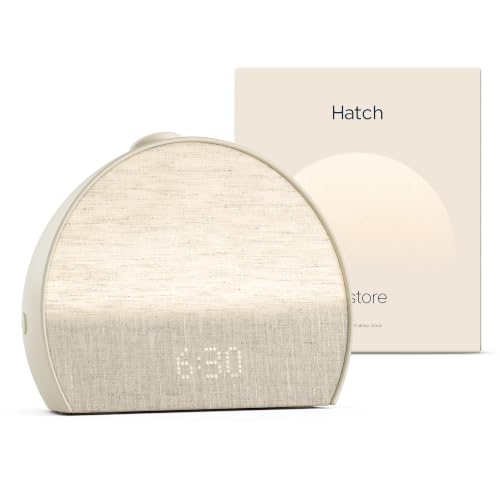
Featuring soothing sounds and soft light, Restore 3 from Hatch is not just an alarm but a phone-free appliance designed to help create a cozy and relaxing atmosphere for your slumber.
What I like about this product is the integrated sunshine alarm. Because of this, you will wake up to gradually increasing light and sound rather than a blaring alarm. This feature is proposed to support circadian rhythm, which, in turn, may enhance sleep quality over time.
2. Sound+Sleep SE – best sleeping aid for loud environments
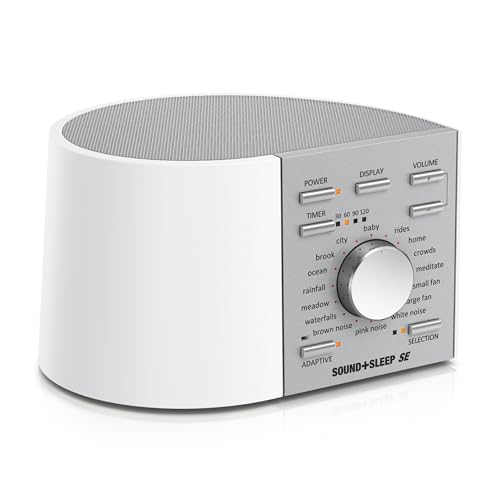
Designed to filter out distracting sounds, Sound+Sleep SE is ideal for those with sound sensitivities or who sleep in noisy environments. As it automatically adjusts its volume and sound mix in response to the environment, all you need to do is turn it on before bedtime, making it a convenient choice for those who are frequently awakened by unpredictable noises.
Some of the included sound categories are rainfall, ocean, white noise, and a large fan. The sound from this machine is non-looping, made to sound as realistic and unique as possible.
3. Glowco CalmCarry – best sleep aid device for mindfulness
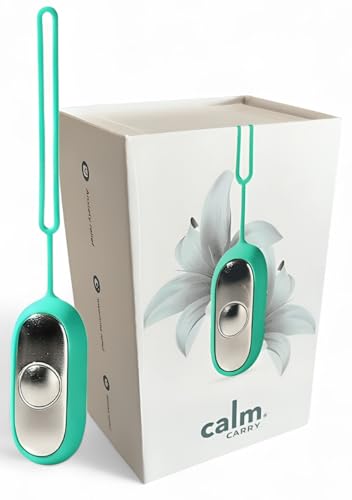
CalmCarry by Glowco is a handheld device that sends gentle microcurrents when pressed. As explained by the brand, these currents are supposed to stimulate the PC8 acupressure point situated in the middle of the palm to promote relaxation. Reviewers report using this device to ground themselves in heightened moments, as well as in their bedtime routine.
CalmCarry is screenless and operated by simply pressing the device's buttons, with the option to reduce intensity as well. Each CalmCarry session lasts 20 minutes and automatically shuts down at the end of that time.
4. Pulsetto Vagus Nerve Stimulator – best sleeping aid device for stress resilience
| Device type: | Neuromodulation device |
| Power source: | USB rechargeable |
| Best for: | Stress management support |
Pulsetto is a neck-worn device that is designed to potentially stimulate the vagus nerve through mild electrical pulses. By targeting this nerve, Pulsetto is proposed to help the body shift into a “rest and digest” state.
What I like about this product is the overall mental health support it may provide. When used consistently, it may support mood, reduce anxiety, and improve stress resilience. Buyers should be aware that this is not a fast solution, and the response to non-invasive vagus stimulation varies from person to person.
5. Eye Massager with Heat and Cooling for Migraines – best for relaxation
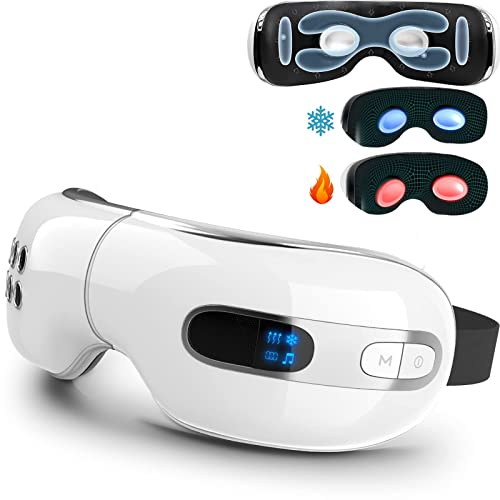
This eye massager is designed to provide targeted relief for tired eyes, headaches, and migraines. Using a combination of smart warm and cold compresses, it applies comfortable heat (104℉) or cooling (67℉) to the eyes, aided by thermoelectric technology. The built-in air compression gently massages pressure points around the eyes, temples, and forehead.
What I appreciate about this device is its multi-mode functionality, as it offers 4 modes to choose from. You can also customize the experience to better suit your needs.
6. Helight Red Light Therapy Sleep Device – best sleep aid device for a cozy evening routine
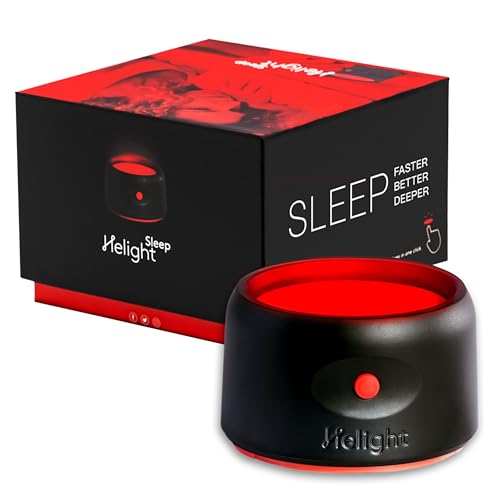
Create an ambient atmosphere for your evening relaxation with the Helight Red Light Therapy Sleep device, which emits 630nm red light intended to mimic the natural cues of sunset. According to the brand, this signal may encourage the body to wind down and enter a more relaxed state before bedtime.
It doesn’t require an app or subscription and has a USB-C rechargeable battery. The small size makes Helight easy to bring along wherever you go, so you can maintain consistency with your bedtime routine.
Our methodology
Together with the Cybernews research team, I have spent considerable time evaluating the available sleep aid devices. My top 6 list was based on the criteria below:
- Scientific plausibility and technology transparency (25%). As one of the main factors, I considered the device’s underlying technology and how well it is supported by evidence. I valued transparency regarding the working mechanism, so buyers can understand what exactly they are getting.
- Ease of use and practicality (20%). I raised questions about the gadget's practicality, such as how easy it is to operate, whether the setup is cumbersome, and whether the manufacturer gives clear instructions. As consistency is usually required for the device to have any impact, scoring high in practicality can greatly contribute to it.
- Safety considerations (20%). I looked through certifications on the official websites to see whether the product is backed by appropriate safety standards and regulations.
- Price-to-value ratio (20%). When analyzing the potential effects, I also considered whether the price tag justifies the expectations. I avoided selecting products that seemed overpriced for the potential benefits they offered.
- User reviews (15%). And lastly, online sentiments were also an important part of my evaluation process. Not only did I consider what the customers liked about the product, but also the main complaints. I excluded products with extreme inconsistencies, as this may indicate falsified reviews.
What kind of sleep aids are available?
Sleep aids tend to fall into four main categories: prescription medications, over-the-counter supplements, behavioral therapies, and tech-based devices.
Prescription sleep medications are typically recommended for more severe or persistent sleep issues and can only be prescribed by a healthcare professional. Generally speaking, they can be effective but also may cause side effects or come with dependency issues.
Supplements are a widely used option, though their effectiveness may be limited. Moreover, although you can get them over the counter, it is still recommended that you discuss their use with your healthcare provider.
When it comes to behavioral therapies, one of the evidence-based options is cognitive behavioral therapy for insomnia (CBT-I). Rather than providing quick symptom relief, CBT-I aims to address the behaviors that contribute to sleep difficulties.
Tech devices are another alternative. This is a broad category, encompassing many different devices. Although they usually lack clinical trials to support their effectiveness, these devices are usually safe to use. Some of them can support long-term sleep habits, such as creating a more consistent nighttime routine.
How the new technology can help improve sleep quality
Some examples of how sleep tech may help include:
- Sound masking. Devices used for sound masking play soothing sounds, creating a consistent background sound that can help reduce the impact of sudden environmental noises during the night.
- Light-based circadian rhythm support. Sunrise alarm clocks and similar devices gradually increase light intensity in the morning, helping signal to the body that it is time to wake up.
- Stress reduction. Wearable neuromodulation devices such as vagus nerve stimulators may support sleep by activating the body’s relaxation response.
Although technology can be helpful, sleep aid devices should be viewed as tools to support a healthy sleep routine, rather than guaranteed solutions for sleep difficulties. In other words, do not skip the best sleep hygiene practices, as this stands as the main first step for more restful nights.
Non-medication ways to improve sleep quality
Fostering a healthy sleep hygiene involves these habits:
- Consistent sleep schedule. Going to bed and waking up at the same time every day helps to regulate the body’s internal clock. Research also indicates that regular sleep patterns support overall mental health, with regular sleepers showing a lower risk of depression or anxiety.
- Avoiding caffeine before bedtime. Caffeine can stay in your system for several hours, with an average half-life of 6 hours in healthy people.
- Sleeping in optimal environments. Keeping your bedroom dark, quiet, and slightly cool is considered to be the best practice. Some people find using a mask to be helpful.
- Reduce blue light exposure before bedtime. Screens on phones, tablets, and laptops emit blue light, which can suppress melatonin production and interfere with your body's natural wind-down process.
- Practising relaxation techniques. Methods such as deep breathing, progressive muscle relaxation, or meditation can help calm down and unwind for a restful night.
How to choose the right sleep aid device for your needs?
The best choice usually depends on the specific issue. Ask yourself, what is your main sleep issue? Some devices target specific problems, such as environmental noise, stress, excessive light exposure, or physical tension that makes it difficult to relax.
Below, I have prepared a list of some of the most common problems that may be helped with sleep tech:
| Problem | Recommended device type |
| Loud environment, sound sensitivities | Sound machine |
| Groggy in the morning | Sunshine alarm |
| Stress, racing thoughts before sleep | Vagus nerve stimulator |
| Eye strain | Eye massager |
| Trouble relaxing | Red light therapy device |
Bottom line: are sleep aid devices worth it?
If you're looking for natural ways to improve your sleep routine, investing in sleep tech may be worth it. Some of the devices can help you fall asleep faster, create a calming bedtime environment, and support consistent sleep patterns. The best one will depend on the problem you want to solve.
For instance, if you have trouble waking up in the morning, Hatch combines soothing sounds and gradually increasing light to ease your mornings. Sound+Sleep SE, on the other hand, is a similar sound machine that also features sound detection for automatic adaptation, which may filter out disruptive noises.
If stress is disturbing your sleep, Pulsetto may be an option as it can be used to potentially increase stress resilience over time. To create a more relaxing environment for your bedtime routine, you may consider Helight.
However, none of the sleep aid devices can replace treatment for underlying sleep disorders. If you are experiencing persistent sleep problems, it is best to consult your doctor.
FAQ
Do sleep aid devices really work?
Yes, depending on what you expect from them. For instance, some of them are designed to help you relax before bedtime by creating a cozier atmosphere, while others are proposed to support overall mental health.
Are red light sleep devices safe?
In general, red light devices designed for sleep or wellness are considered safe for most people when used properly. Always follow the manufacturer’s instructions.
What is the best sleep aid device for anxiety?
This depends on your personal preferences and specific needs. Some options include sound machines and vagus nerve stimulation devices. Ultimately, the best choice for you would be a product that complements your relaxation habits and helps create a relaxing bedtime routine.
Can a sound machine improve deep sleep?
It might if you find yourself waking up throughout the night due to environmental sounds. However, if you think that you are not experiencing enough deep sleep, it is best to consult your healthcare provider.
When should I see a doctor for sleep problems?
While occasional restless nights are common, if you notice a pattern of disturbed sleep, it is best to seek professional help. Other factors that may warrant a consultation are persistent difficulty falling or staying asleep, excessive daytime sleepiness, and loud snoring, especially with breathing pauses.
-
Transcutaneous Vagus Nerve Stimulation Could Improve the Effective Rate on the Quality of Sleep in the Treatment of Primary Insomnia: A Randomized Control Tria
Brain Sciences.
-
Regular sleep patterns, not just duration, critical for mental health: association of accelerometer-derived sleep regularity with incident depression and anxiety.
Psychological Medicine.
-
Caffeine for the Sustainment of Mental Task Performance: Formulations for Military Operations.
Institute of Medicine (US) Committee on Military Nutrition Research