Health tech takes a practical turn at CES 2026 with wearables and diagnostic tools
Being behind major reports like The Mother of All Breaches and RockYou2024, our in-house cybersecurity experts and journalists provide unbiased, real-world testing and in-depth analysis.
We maintain complete transparency by openly sharing our testing methodologies with our audience.
Learn more

Health and wellness technology took a more practical turn at CES 2026. Instead of futuristic promises alone, many of the most talked-about devices focused on measurable health data, symptom tracking and everyday usability.
From smart menstrual products and ultra-thin rings to allergy detection tools and advanced smart scales, CES 2026 showed how health tech is expanding beyond fitness tracking into reproductive health, longevity and daily risk prevention.
Live CES 2026 health tech updates
Smart scales and longevity tools go deeper
Health tracking at CES 2026 leaned heavily into longevity and cardiovascular insights.
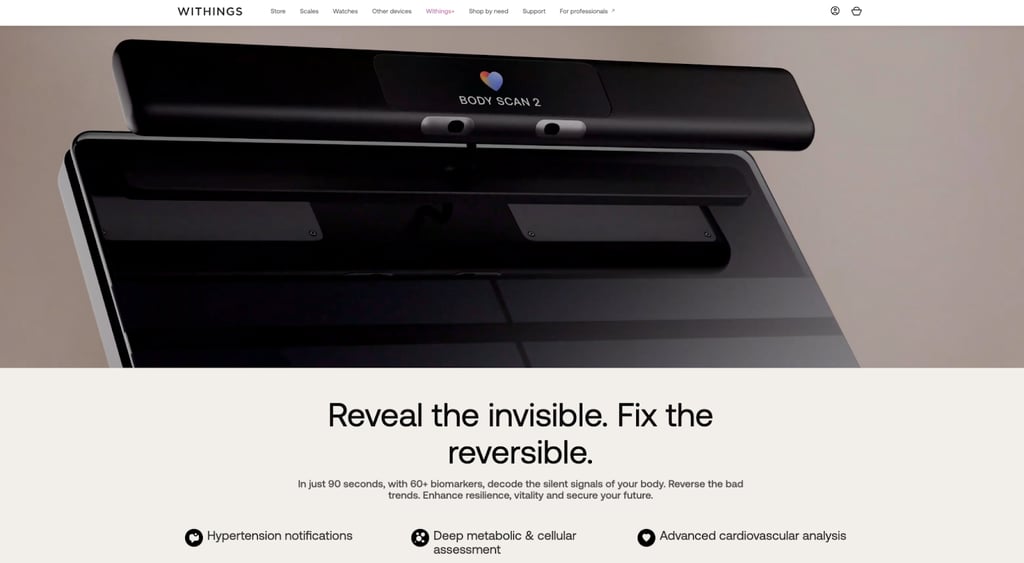
The Withings Body Scan 2 smart scale measures far more than weight. It evaluates metrics such as arterial stiffness, cardiac efficiency, ECG, metabolic health and hypertension risk, delivering results in under 90 seconds. Withings positions the device as a long-term health companion rather than a simple scale.
This aligns with a broader CES trend toward passive, frequent health monitoring instead of occasional checkups.
Women’s health tech gains visibility at CES 2026
Several CES 2026 standouts centered on women’s health, an area that has historically been underserved in consumer tech.
The Vivoo Smart Menstrual Pad turns menstrual blood into data by analyzing biomarkers linked to fertility, hormonal balance and vaginal health. The pad uses a diagnostic layer that feeds results into Vivoo’s mobile app, allowing users to track reproductive and hormonal changes over time.
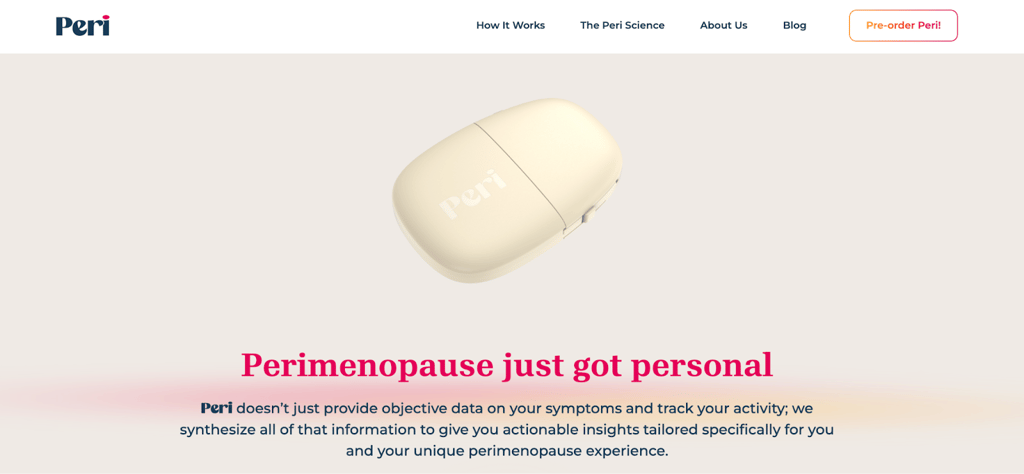
Another product drawing attention was Peri, a perimenopause-focused wearable designed to detect symptoms such as hot flashes, sleep disruption, anxiety and temperature changes. Worn on the stomach, Peri uses multiple sensors and algorithms built specifically around perimenopausal patterns rather than general wellness metrics.
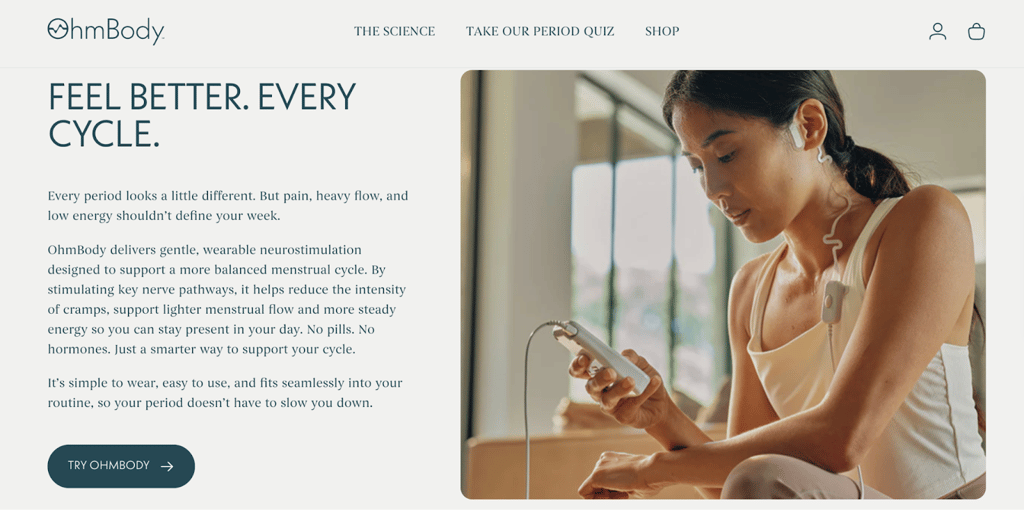
Meanwhile, OhmBody introduced a neurostimulation device aimed at easing menstrual discomfort. The wearable targets specific nerves through a patented earpiece, with the goal of reducing pain and regulating nervous system responses during menstruation.
Together, these products reflect a broader CES trend: moving women’s health from niche apps to dedicated hardware with clinical-style insights.
Smart rings and wearables continue to shrink
Wearables at CES 2026 continued their shift toward smaller, less intrusive form factors.
The Yuwell Smart Ring stood out for its thin and lightweight design, pushing smart rings closer to everyday jewelry rather than obvious health trackers. While detailed specs are still limited, the focus is clearly on comfort and continuous monitoring.
RingConn Gen 3 also previewed its next-generation smart ring, promising longer battery life, smart vibration alerts and blood pressure insights. Smart rings remain one of the fastest-evolving categories at CES, appealing to users who want health tracking without a wrist-based device.
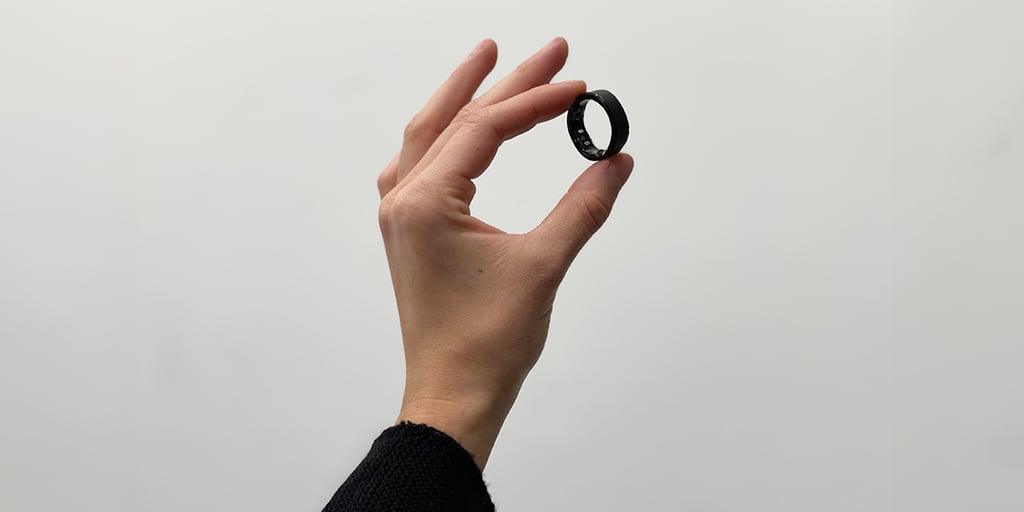
Together, these devices show how health tracking is quietly shifting toward wearables people can forget they’re even wearing.
Allergy detection moves closer to everyday use
Food allergy tech was another unexpected highlight.
Allergen Alert, a portable device already approved by the US Food and Drug Administration (FDA), can detect traces of lactose or gluten by sampling and analyzing food. The device is already being used in Michelin-starred restaurants to check for cross-contamination and is expected to launch for consumers later in 2026.
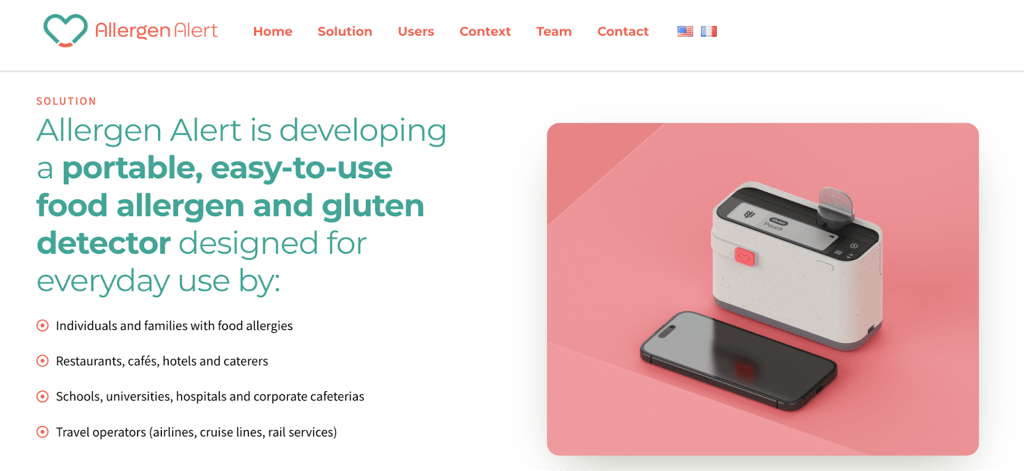
For people with severe food allergies, this type of instant, on-site testing could significantly reduce anxiety when eating out or traveling.
Light-based wellness and beauty tech expands
Light therapy continued to blur the line between wellness and beauty.
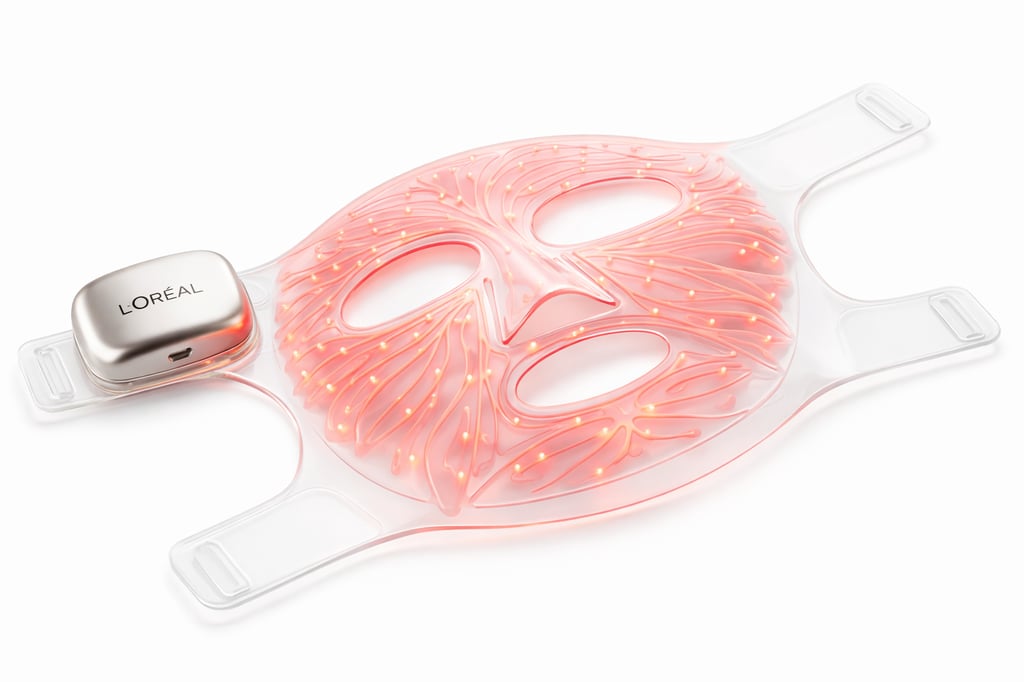
L’Oréal showcased an ultra-thin LED face mask that uses red and near-infrared light to target fine lines, uneven skin tone and sagging. Unlike rigid LED masks, the flexible silicone design aims to improve comfort and fit, including targeted under-eye treatment.
Another light-based product, Sunbooster, attaches to monitors or laptops and projects near-infrared light during screen time. The goal is to mimic some benefits of sunlight, such as mood and energy support, for people who spend long hours indoors.
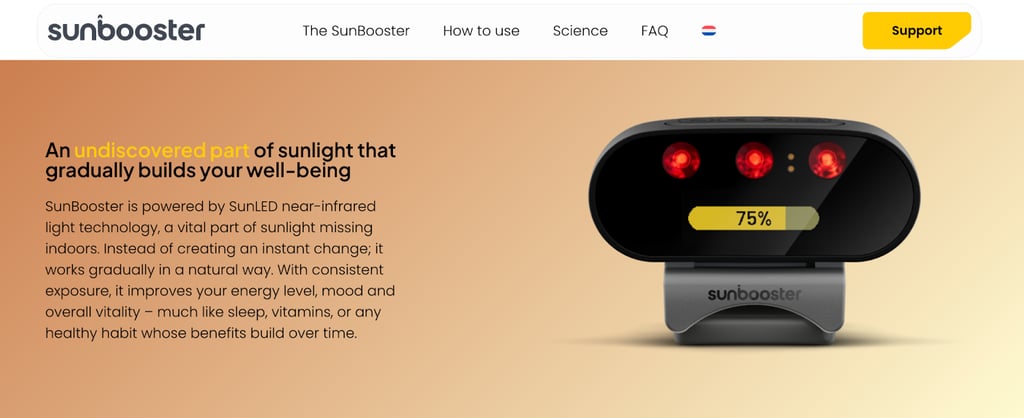
Together, these products highlight how light-based tech is moving beyond beauty trends and into everyday wellness routines.
Explore more health tech trends
Best smart rings in 2026: discreet wearables redefining health tracking
Best smart scales in 2026: next-generation scales for deeper health insights
Best Withings scale in 2026: top models for advanced body metrics
Best red light therapy devices in 2026: light-based wellness tools explained
What CES 2026 health tech trends show
Taken together, CES 2026 health and wellness tech points to a clear shift. Devices are becoming more specialized, more discreet and more focused on real-world problems such as hormone changes, allergies, stress and long-term health risks.
Rather than chasing flashy demos, many companies are prioritizing data accuracy, daily usability and specific health needs. If CES 2026 is any indication, the next wave of health tech will be less about step counts and more about understanding the body in ways that were previously difficult outside clinical settings.