Best Fitbit for men in 2026: top picks by use case, budget, and lifestyle
Being behind major reports like The Mother of All Breaches and RockYou2024, our in-house cybersecurity experts and journalists provide unbiased, real-world testing and in-depth analysis.
We maintain complete transparency by openly sharing our testing methodologies with our audience.
Learn more

If you’re looking for a new Fitbit, then you probably need it for one of three main use cases: an advanced tracker for intense training, a health focused device for sleep and stress insights, or a lightweight daily tracker that’s comfortable to wear all day. Each category serves a different approach to fitness, but each one aims to improve consistency and long-term fitness habits.
The best Fitbit for men should deliver accurate tracking while also matching practical needs. Larger wrists, a preference for a more rugged design, and longer battery life often matter just as much as health metrics. Smart features like notifications, GPS, and workout modes also play a role in everyday usability.
Working with the Cybernews research team, I reviewed Fitbit’s current lineup by comparing specifications, official features, pricing, and aggregated user feedback. In this roundup, I identified which models offer the best balance of performance, comfort, and value for different fitness goals.
Best Fitbit for men – shortlist
Find your next fitness tracker from the expert-recommended Fitbit models on this list:
- Fitbit Sense 2 – best Fitbit for men in 2026
- Fitbit Versa 4 – affordable fitness smartwatch
- Fitbit Charge 6 – cheap and sleek Fitbit
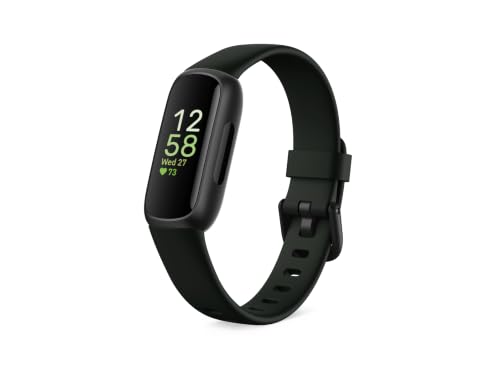
- Fitbit Inspire 3 – basic fitness tracker with long battery life
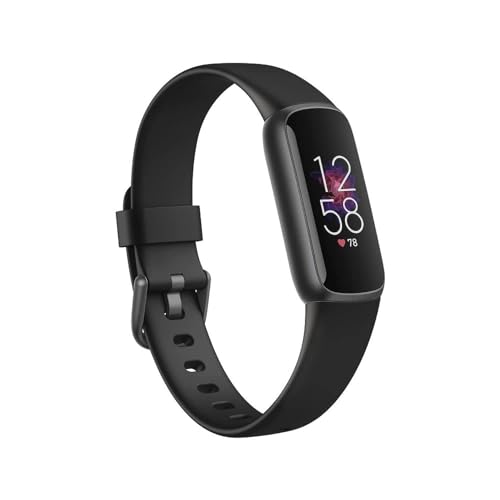
- Fitbit Luxe – basic Fitbit tracker with premium trial
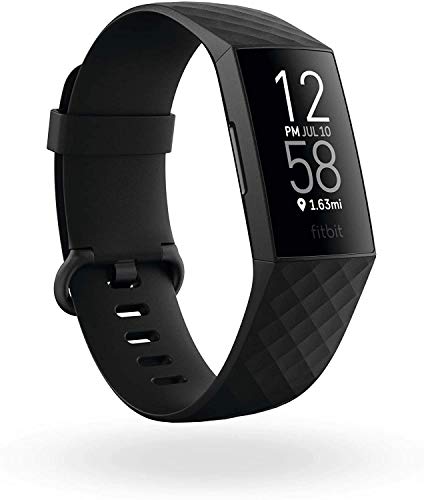
- Fitbit Charge 4 – sleek and stylish fitness tracker
The best Fitbit for men compared
Find an overview of the best Fitbit models in this table below:
|
|
|
|
|
|
|
| Title | Fitbit Sense 2 | Fitbit Versa 4 | Fitbit Charge 6 | Fitbit Fitness Tracker – Midnight Zen | Fitbit Luxe | Fitbit Charge 4 |
| Operating system | Android | Fitbit OS | Android-based firmware | Android-based firmware | Unspecified | Android |
| Connectivity | WiFi, Bluetooth, Google Wallet, Google Maps | Bluetooth | WiFi, Bluetooth, Google Wallet, Google Maps | Bluetooth | Bluetooth | Bluetooth, NFC |
| Display size | 1.58” | 1.58” | 1.04” | 0.67” | 0.96” | 1.5” |
| Display type | LCD touchscreen | AMOLED touchscreen | LCD touchscreen | Color touchscreen | AMOLED touchscreen | LED touchscreen |
| Built-in GPS | ✅ Yes | ✅ Yes | ✅ Yes | ❌ No | ❌ No | ✅ Yes |
| Heart rate | ✅ Yes, 24/7 continuous monitoring | ✅ Yes, 24/7 continuous monitoring | ✅ Yes, 24/7 continuous monitoring | ✅ Yes, 24/7 continuous monitoring | ✅ Yes, 24/7 continuous monitoring | ✅ Yes, 24/7 continuous monitoring |
| ECG | ✅ Yes | ❌ No | ✅ Yes | ❌ No | ❌ No | ❌ No |
| Music storage capacity | ✅ Yes, 4GB | ❌ No | ✅ Yes, 4GB | ❌ No | ❌ No | ❌ No |
| Waterproof capacity | ✅ Yes, IP67 | ✅ Yes, IP67 | ✅ Yes, IP68 | ✅ Yes, IP68 | ✅ Yes | ✅ Yes, IP68 |
| Battery life | 6+ days | 6 days | 7 days | 10 days | 5 days | 7 days |
| Price | $226.50 $249.95 -9% | $162.00 $199.95 -19% | $183.99 | $179.99 | ||
| Best for | Fitness enthusiasts tracking ECG and stress | Budget-conscious users seeking fitness tracking | Budget-conscious users seeking fitness tracking | First-time users needing simple tracking | Style-conscious users preferring elegant design | Users preferring classic band look |
| More info | Buy on Amazon Details | Buy on Amazon Details | Buy on Amazon Details | Buy on Amazon Details | Buy on Amazon Details | Buy on Amazon Details |
6 best Fitbit for men – our detailed list
Find your new fitness tracker from my list of recommended Fitbits below:
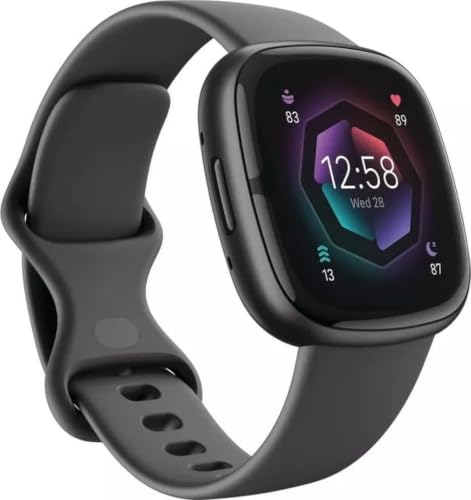
1. Fitbit Sense 2 – best Fitbit smartwatch for men in 2026
The Fitbit Sense 2 is my top recommended smartwatch for men in 2026, designed to deliver in-depth health monitoring at a reasonable price. Its ECG tracking and stress management features deliver real-time insights, helping users monitor fitness, recovery, and overall wellness with accuracy and convenience.
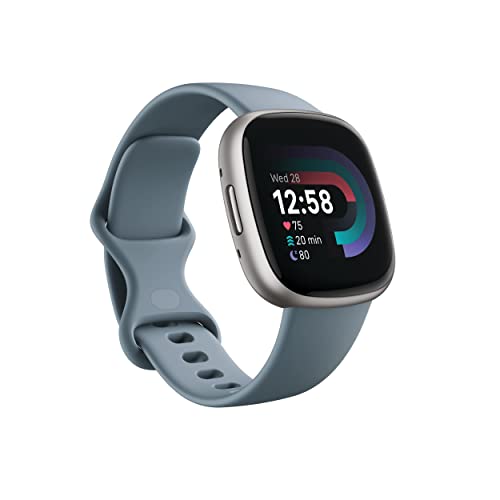
2. Fitbit Versa 4 – affordable fitness smartwatch
The Fitbit Versa 4 is a budget fitness smartwatch that delivers essential tracking without breaking the budget. Its built-in GPS and AMOLED screen help users monitor workouts, view notifications clearly, and track key health metrics without the cost or complexity of premium smartwatch models.
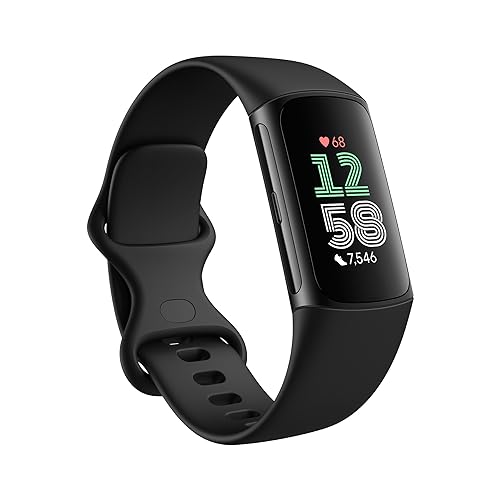
3. Fitbit Charge 6 – cheap and sleek Fitbit
The Fitbit Charge 6 is a sleek, budget-friendly Fitbit designed for everyday use. I recommend it for its built-in GPS, ECG, and heart rate monitoring, which offer advanced health and fitness tracking in a slim, low-profile device that remains comfortable for all-day wear.
4. Fitbit Inspire 3 – basic fitness tracker with long battery life
For users needing a budget fitness tracker with an impressive battery, look no further than the Fitbit Inspire 3. Its 10-day battery life and heart rate monitoring deliver consistent activity and sleep tracking, making it ideal for simple, low-maintenance health monitoring without unnecessary smartwatch features or distractions.
5. Fitbit Luxe – basic Fitbit tracker with premium trial
The Fitbit Luxe is a stylish Fitbit with a premium trial designed for users who value elegance and overall value. It’s not the most advanced or feature-rich model, but it still delivers dependable tracking for activity, sleep, and stress in a refined, jewelry-like design.
6. Fitbit Charge 4 – sleek and stylish fitness tracker
The Fitbit Charge 4 is a basic fitness tracker whose strengths lie in affordability and design. With built-in GPS and solid activity tracking, it remains useful for monitoring workouts and daily health metrics, although it lacks modern software features and advanced health sensors.
Our methodology
The Cybernews research team and I used the following weighted metrics to evaluate various Fitbit models:
- Sensor accuracy and health tracking depth (25%). I examined how each device measures heart rate, sleep stages, activity tracking, and stress indicators. I also compared the level of health insights provided across different models..
- Battery life and charging practicality (20%). I reviewed stated battery estimates, charging times, and real-world usage patterns based on manufacturer data and aggregated user feedback.
- Comfort, sizing, and durability (15%). I analyzed design dimensions, weight, strap options, and build materials to assess long term comfort and fit.
- Training features and coaching (15%). I examined available workout modes, fitness programs, recovery tools, and coaching features, evaluating how well each model supports different training goals.
- Smart features (10%). I reviewed notification support, GPS availability, app compatibility, and basic smartwatch functions.
- Pricing (10%). I compared official pricing and value relative to features to determine long-term affordability.
- User sentiment consistency (5%). I looked at patterns in user reviews to identify recurring strengths and weaknesses.
This approach ensures a balanced evaluation and presents a comprehensive look at each model on the list.
What is a Fitbit?
Fitbit is a family of fitness trackers and smartwatches designed to monitor physical activity and health metrics. This includes both traditional Fitbit-branded devices and Google Pixel Watch models that rely heavily on Fitbit software.
Fitbit devices typically track daily steps, workouts, heart rate, sleep stages, and stress indicators. Depending on the model, they may also include built-in GPS for outdoor activities and advanced features like blood oxygen monitoring.
Following its acquisition, Fitbit now operates under Google. Existing Fitbit users are required to migrate to a Google account by February 2, 2026. This shift affects account management, data syncing, and future software updates.
Benefits of Fitbit fitness trackers and watches
Here are just a few of Fitbit’s benefits for both casual fitness enthusiasts and athletes with intense workouts:
- Health, activity, and sleep insights. Fitbit provides easy-to-read summaries for health, daily activity, sleep stages, and more. Researchers have even suggested that Fitbits can help detect mood episodes based on passive sensor data.
- Wide range of form factors. Fitbit trackers come in both slim fitness bands and full smartwatch designs, so you can choose based on comfort, size preference, and feature needs.
- Strong battery life for the category. Most Fitbit devices deliver longer battery life than many full-featured smartwatches. Depending on the model, users can expect several days of usage without charging.
- Integrated app ecosystem with optional subscriptions. The Fitbit app acts as a central hub for tracking, trends, and coaching features. While Fitbit Premium unlocks deeper analytics and guided programs, core functionality remains accessible without a subscription, and.
- Beginner-friendly onboarding and usability. Fitbit devices are generally easy to set up and use, even for first-time fitness tracker owners.
- Optional advanced features. Fitbit Premium offers personalized insights, advanced sleep analysis, readiness scores, and guided programs, which can be useful for motivated users. However, I also like that the core tracking experience remains functional without paying extra.
Factors to consider when choosing the best Fitbit watch
Choosing a Fitbit depends less on choosing the “best” or most expensive model and more on how it fits your daily habits, training goals, and device preferences. This checklist will help narrow your options:
- Fit and comfort. Case size, band length, and profile shape affect long-term wear. Slim trackers suit low-profile use, while watch-style models offer larger screens and stronger physical presence.
- Training focus. Workout modes and recovery tools matter for active users; runners and cyclists benefit from built-in GPS; and casual users may prefer simpler activity tracking.
- Health features. Advanced sensors such as ECG, stress monitoring, or blood oxygen tracking vary by model. These tools add value for health-focused users but aren‘t necessary for basic fitness tracking.
- Battery life. Charging frequency should match your lifestyle. Always-on displays drain faster, while tracker-first devices often last significantly longer.
- Smart features. Notifications, payments, and music controls differ across models. Watch-style Fitbits offer more functionality.
- Phone ecosystem. Android users gain more value from Pixel Watch integration. Meanwhile, iPhone users should confirm compatibility before purchasing.
Best Fitbit right now according to users
Online reviews consistently praise the Sense 2 and Versa 4 the most. The Sense 2 is popular for its advanced health monitoring and stress tracking, while the Versa 4 is known for its GPS and battery life.
However, some users raise concerns about long-term durability, with issues including scratches, worn bands, or occasional software glitches. As a precaution, many recommend purchasing an extended warranty or protection plan to ensure coverage and peace of mind over the device’s lifespan.
Still, overall, users are often happy about their Fitbits and appreciate their health insights. Positive reviews commonly include praise for accurate sleep analysis, heart-rate reliability, guided workouts, daily readiness scores, and easy integration with smartphones.
How to set up a Fitbit
To set up your new Fitbit, follow this easy step-by-step guide:
- Download, install, and open the official Fitbit app from the Apple App Store or Google Play Store.
- Create or log into your account. Expect to be required to use or migrate to a Google Account.
- Charge your Fitbit to ensure it’s ready for pairing.
- Follow the in-app instructions to detect and connect your Fitbit to your phone. The app will guide you through the pairing process.
- Grant permissions to notifications, location, and Bluetooth where requested. These permissions enable core tracking and smart features.
- Set up your health profile. You may need to enter personal details such as height, weight, age, and activity level to personalize tracking and insights.
- Define your goals and set notifications. Choose daily goals for steps or activity, and customize which notifications appear on the device.
- (Optional) Activate Fitbit Premium. Premium unlocks deeper analytics and guided programs but is not required for basic functionality.
Alternatives to Fitbit
Fitbit is perhaps the most recognizable smartwatch brand in the market. However, some users choose to go with a different brand because they need more advanced sensors or want better integration with their tech ecosystem.
If you’re considering switching, here are some popular alternatives to Fitbit:
- WHOOP. Comparing WHOOP vs Fitbit, you’ll see that WHOOP provides deeper recovery and strain analytics, subscription-driven insights, and a minimalist, screen-free design. Many users prefer WHOOP over Fitbit because it focuses on performance optimization rather than general activity tracking.
- Hume. Looking at Hume Band vs Fitbit, Hume Band offers metabolic and long-term health scoring, advanced coaching features, and better integration with Apple Health. For many users, Hume Band is the better option because it provides actionable health insights beyond basic steps and heart rate monitoring.
Best Fitbit for men: my take on which one is worth it
Different Fitbit models cater to different lifestyles, so choosing the right device depends on how you approach fitness:
- Choose a fitness tracker like the Fitbit Charge 6 if you want long battery life and simple daily monitoring.
- Choose a smartwatch like the Fitbit Sense 2 if you want a bigger screen and more smartwatch features.
It’s also important to remember that by February 2, 2026, all Fitbit users must migrate to a Google Account, which could influence long-term comfort with the ecosystem. Ultimately, the best device is the one that fits your routine, goals, and personal preferences, not the one with the flashiest features.
Other reviews from Cybernews:
Best waterproof smart watch in 2026: what actually matters before you buy
Best running watches in 2026: top picks for every runner
Which Apple Watch to buy in 2026: choosing the right model for your needs
Fitbit Sense 2 vs Versa 4: which Fitbit smartwatch is right for you?
FAQ
Which Fitbit is best for strength training and gym workouts?
The Fitbit Sense 2 is a top choice for strength and gym training, as it tracks heart rate, workout intensity, and reps. It also offers multiple exercise modes and provides guidance on recovery and daily readiness.
Is Fitbit Premium worth it for most users in 2026?
Yes, Fitbit Premium adds advanced insights, guided workouts, and sleep analysis. It’s worth it for users seeking personalized recommendations and coaching.
Will I lose my Fitbit data if I don’t migrate to a Google account by February 2, 2026?
All Fitbit users must move to a Google Account by February 2, 2026. Failing to migrate may limit access to syncing, cloud storage, and full device functionality.
Which Fitbit has the best battery life for all-day and sleep tracking?
The Fitbit Inspire 3 leads in battery longevity, lasting up to 10 days on a single charge. Its efficient tracking allows continuous heart rate and sleep monitoring without frequent recharging.
Should I choose Fitbit, WHOOP, or Hume Band for recovery and readiness tracking?
Fitbit is the best choice for recovery and readiness tracking for most users. It combines sleep, heart rate, and activity data without forcing a subscription-first model.