WHOOP vs Fitbit: which fitness tracker is worth it in 2026?
Being behind major reports like The Mother of All Breaches and RockYou2024, our in-house cybersecurity experts and journalists provide unbiased, real-world testing and in-depth analysis.
We maintain complete transparency by openly sharing our testing methodologies with our audience.
Learn more

Fitness trackers have surged in popularity over the past decade. They have evolved from simple step counters into sophisticated wellness companions that monitor many aspects of your health. At the forefront of this technology are 2 standout names: WHOOP and Fitbit. Each provider has cultivated a dedicated user base, offering distinct strengths tailored to varying lifestyles and fitness goals.
WHOOP emphasizes performance optimization and detailed recovery tracking, appealing especially to athletes and fitness enthusiasts who crave precise insights into their physical readiness. On the other hand, Fitbit has built its reputation on holistic wellness, combining user-friendly design with comprehensive health tracking features that cater to everyday users and casual fitness seekers alike.
As a Cybernews expert, I teamed up with our expert in-house research team to thoroughly analyze and compare WHOOP vs Fitbit. My goal is to guide you through their features and performance, helping you determine the fitness tracker best suited to your unique goals.
In this WHOOP vs Fitbit comparison, WHOOP is the clear winner overall. While the Fitbit Versa 3 offers excellent health-tracking features ideal for general wellness enthusiasts, WHOOP stands out as the ultimate choice for users dedicated to optimizing their fitness performance.
WHOOP vs Fitbit overview
After comparing WHOOP vs Fitbit Versa 3, I found that each fitness tracker shines in different areas. WHOOP excels with detailed analytics and recovery insights, ideal for serious fitness enthusiasts. Meanwhile, Fitbit Versa 3 offers excellent overall health tracking, built-in GPS, and user-friendly features perfect for everyday use.
Check out the comparison table below for a detailed breakdown:
| Feature | WHOOP | Fitbit Versa 4 |
| Rating | 4.8 ⭐️⭐️⭐️⭐️⭐️ | 4.6 ⭐️⭐️⭐️⭐️⭐️ |
| Weight | 18g (band + sensor) | ~40g (device + band) |
| Display clock | ❌ No | ✅ Yes |
| GPS | ❌ No (connected GPS only) | ✅ Built-in GPS |
| Water resistance | ✅ Waterproof (10m) | ✅ Swimproof (50m) |
| HSA/FSA eligible | ✅ Yes | ✅ Yes |
| Battery life | Up to 5 days | Up to 7 days |
| Price | From $25/month | $175 (one-time) |
| Subscription | Mandatory | Optional (Fitbit Premium $9.99/month) |


Our team of in-house researchers, writers and editors reviews and analyzes health tech products using a research-driven approach. We gather data from multiple sources, fact-check all information, and conduct our research based on peer-reviewed studies, expert opinions, consumer ratings, and regulatory approvals.
You can learn more about how we test health tech products here.
How we test smart devices – methodology
At Cybernews, we take researching health tech products seriously. Our expert team employs a strict, research-based methodology to evaluate smart devices thoroughly, emphasizing accuracy, usability, and value.
To make our WHOOP vs Fitbit comparison as unbiased and trustworthy as possible, we assessed both products based on the following criteria:
- Feature accuracy and tracking performance (35%). We extensively researched and compared user-reported accuracy of critical metrics such as heart rate monitoring, sleep tracking precision, and recovery insights to ensure reliability.
- User experience for both hardware and the app (25%). Our analysis synthesized user feedback and detailed comparative studies on comfort, build quality, design aesthetics, ease of use, and app interface intuitiveness.
- Value for money (20%). We examined and benchmarked pricing structures and subscription models and included features against industry standards and user expectations, highlighting each device's overall cost-effectiveness.
- Battery life and charging (10%). We aggregated and assessed data on battery longevity, charging convenience, and user satisfaction regarding battery performance across devices.
- Third-party compatibility and ecosystem (10%). Our research included evaluating device compatibility with major third-party apps, integrations within broader health ecosystems, and overall versatility.
What are fitness trackers?
Fitness trackers are wearable devices designed to monitor and record various health and fitness data, including daily steps, sleep quality, heart rate, and recovery levels.
These smart gadgets have evolved from basic step counters into comprehensive wellness tools, empowering health-conscious individuals to track progress, help optimize performance, and support achieving fitness goals more effectively.
Devices like WHOOP and Fitbit represent 2 distinct approaches within this rapidly expanding market. WHOOP focuses on providing detailed insights into physical strain, recovery, and sleep quality, making it particularly appealing to athletes and those engaged in intense fitness routines.
On the other hand, Fitbit combines accessible health tracking features, such as built-in GPS, intuitive displays, and stress management tools, making it an ideal choice for users who seek balanced wellness insights in their daily lives.
Both brands exemplify the diverse ways in which fitness trackers have become essential tools for promoting health awareness and proactive wellness management. However, the question remains – which is the better one in the WHOOP vs Fitbit debate? Let’s explore.
Fitbit vs WHOOP: cost and value
When comparing WHOOP vs Fitbit pricing, the Fitbit Versa 4 provides excellent value through its comprehensive fitness and wellness tracking capabilities. It includes a complimentary 6-month Fitbit Premium membership.
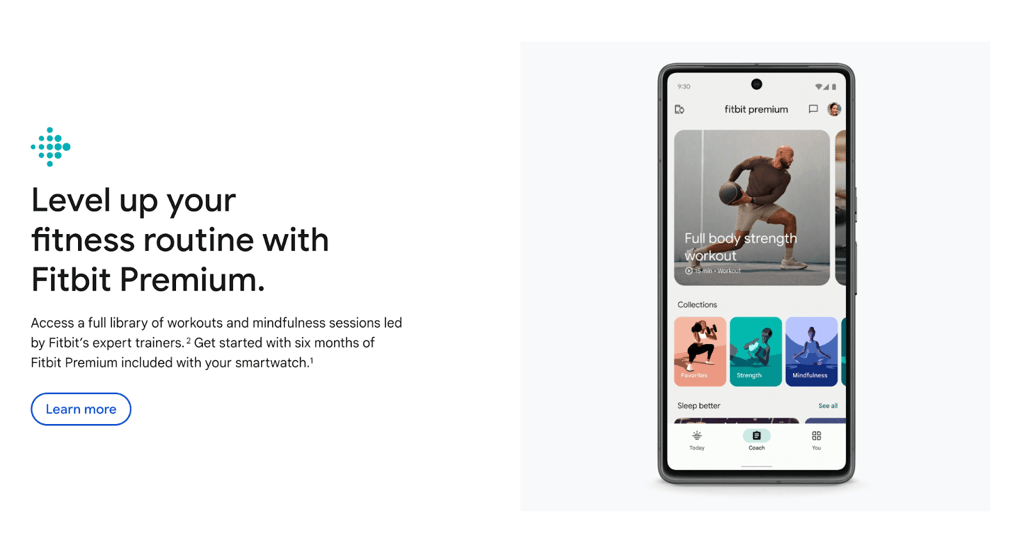
What stood out the most to me was that even without a Premium subscription, the Fitbit Versa 4 remains functional and offers valuable insights and essential health tracking features.
In contrast, WHOOP employs a structured membership pricing model with mandatory subscriptions.
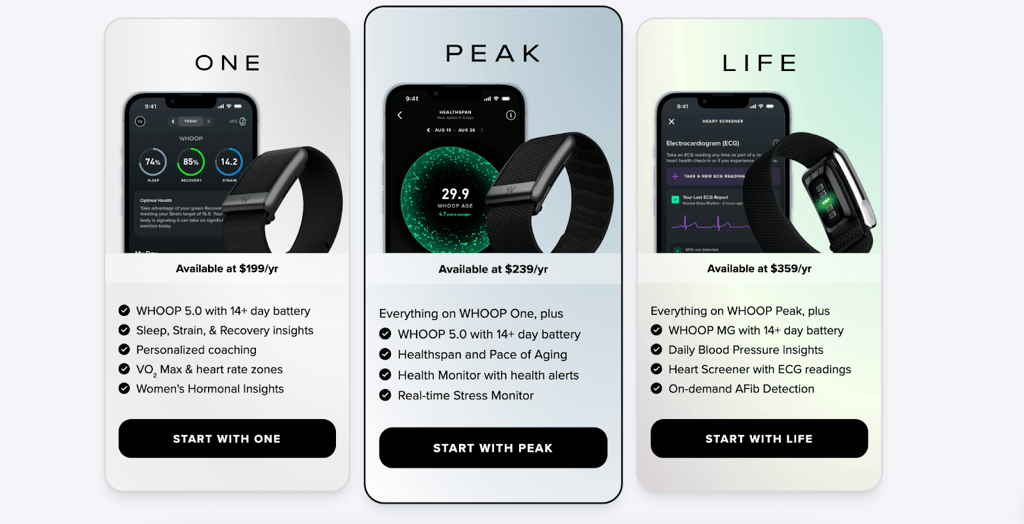
Here’s a more detailed breakdown of WHOOP pricing:
- WHOOP One: $199/year or $25/month. Includes basic fitness and recovery insights
- WHOOP Peak: $239/year or $30/month. Provides enhanced monitoring features like health and stress monitoring
- WHOOP Life: $359/year or $40/month. Features tracking, such as blood pressure insights and ECG monitoring
The ongoing subscription requirement makes WHOOP more costly over time, particularly when considering the inability to use the device without an active membership.
| Pricing aspect | Fitbit Versa 4 | WHOOP |
| Subscription required | ✅ Optional | ❌ Mandatory |
| Usable without membership | ✅ Yes | ❌ No |
| Membership tiers | Single Premium option | 3-tier membership model |
| Functionality without fees | ✅ Yes | ❌ No |

Fitbit vs WHOOP: sleep tracking
When comparing the sleep tracking capabilities of Fitbit and WHOOP, both health tech products provide impressive features.
In my opinion, WHOOP stands out for its comprehensive analysis of sleep performance. It assesses various metrics, including sleep sufficiency, consistency, efficiency, and physiological stress levels during sleep.

WHOOP’s Sleep Coach function offers personalized bedtime recommendations tailored to historical sleep patterns and estimated recovery needs. In turn, this can help improve sleep habits over time. Additionally, WHOOP employs haptic feedback to gently awaken users at optimal moments, enhancing the overall sleep experience.
On the other hand, the Fitbit Versa 4 tracks various sleep stages – including awake, REM, light, and deep – along with overall sleep duration and efficiency. It is equipped with silent vibrating alarms and delivers a Daily Readiness Score to assist users in evaluating their recovery and readiness for daily activities.
However, Fitbit's sleep tracking lacks the depth of personalized coaching and long-term behavioral insights WHOOP provides. While Fitbit Premium offers advanced sleep analysis, its insights are generally less detailed than WHOOP's comprehensive weekly and monthly trend reports and personalized recommendations.
Fitbit vs WHOOP: activity tracking
When it comes to activity tracking, both Fitbit and WHOOP offer strong features. Fitbit covers the basics well – tracking steps, calories, and workouts across 40+ exercise modes. Built-in GPS is also handy for runners or cyclists who want phone-free outdoor tracking. On the other hand, WHOOP leans deeper into heart rate monitoring, strain scoring, and detailed recovery data.
However, there’s a drawback – WHOOP doesn’t track daily steps, but that’s by design. It’s built for people who want to focus less on general movement and more on how their workouts and routines may affect recovery, performance, and long-term health.
Its auto-detection recognizes over 60 types of activities and assigns the most accurate classification based on heart rate and motion. That makes it ideal for high-intensity training or less conventional sports. WHOOP’s Strain Score and live data overlays also offer something Fitbit doesn’t – personalized insight into when to push and recover.
While Fitbit offers solid and convenient features, WHOOP goes deeper with actionable fitness and recovery insights. It’s designed for people who want more than just basic stats – they want their wearable to help guide training.
Fitbit vs WHOOP: health tracking
Both Fitbit and WHOOP offer advanced health tracking beyond just counting steps. They monitor metrics like blood oxygen saturation, resting heart rate, skin temperature, heart rate variability (HRV), and respiratory rate during sleep. These insights can indicate changes in your body, such as stress or fatigue.
WHOOP focuses on actionable insights for performance. Its app translates your data into a Recovery score based on HRV, resting heart rate, sleep quality, and a Strain score to measure physical stress. It provides personalized recommendations, like suggesting earlier bedtimes after late nights.
WHOOP balances sleep, recovery, and strain, acting like a digital coach that helps athletes determine when to push or rest, encouraging deeper trends analysis.
Fitbit, in contrast, takes a more holistic, user-friendly approach to wellness tracking. It captures similar health metrics but presents insights more simply. Fitbit offers stress management tools, such as an electrodermal activity (EDA) sensor and in-app mindfulness sessions, guiding users to manage their well-being actively.
For example, if your stress levels are high, it may prompt a 2-minute relaxation exercise. Fitbit’s ecosystem also includes features like menstrual cycle tracking and ECG heart rhythm checks, along with a Daily Readiness Score for Premium members indicating whether it may be better to exert effort or recover.
In essence, Fitbit feels more approachable, while WHOOP delivers detailed insights that might feel intense for casual users.
Fitbit vs WHOOP: battery life
Battery life can make or break a 24/7 fitness tracker, and WHOOP and Fitbit are 2 brands that take different paths. Compared to WHOOP, Fitbit devices generally last longer between charges – roughly 5 to 10 days on a single charge, depending on the model.
WHOOP’s strap, by contrast, is rated for about 4-5 days of battery life. According to online reviews, users usually get around 4 days before the WHOOP needs a recharge, whereas the Fitbit could easily last a full week. It’s worth noting that these numbers can vary with usage – if you enable an always-on display or use built-in GPS frequently on a Fitbit, you’ll dip toward the lower end of its battery range.
The biggest difference is how you recharge these trackers. When a Fitbit’s battery runs low, you have to take the device off and snap it into a charging cable or dock for an hour or two. WHOOP, however, has a clever on-wrist charging system: you get a little battery pack that you slide onto the strap, so you can charge the WHOOP without ever removing it from your wrist.
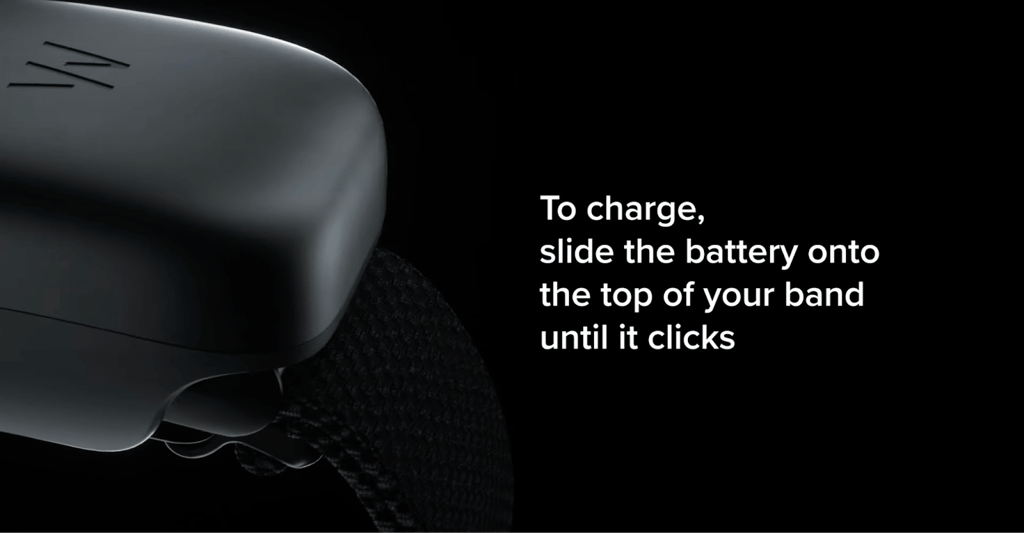
That means you can charge your WHOOP in the car or while doing chores – an innovative approach to not missing tracking time. That said, the WHOOP’s battery pack itself needs charging, so you’re managing an extra accessory.
In practice, both approaches have pros and cons. Fitbit’s longer battery life means you can often forget the charger for days – it’s convenient not having to worry nightly about battery. With WHOOP, you have to charge more often, but each charge is less disruptive since it can be kept on – a plus for those truly aiming for zero data gaps in their 24/7 monitoring.
Final verdict: which should you choose?
WHOOP takes the win in the WHOOP vs Fitbit showdown. It’s built for performance optimization, not casual tracking – ideal for serious athletes and data-driven fitness enthusiasts. With no screen or step counter, WHOOP focuses on recovery, HRV, strain, and sleep quality. More importantly, based entirely on your body's data, you get daily guidance on how hard to push or when to rest.
What I like the most is that the band is minimalist, discreet, and designed for 24/7 wear with an innovative approach to recharging. If you treat training like a science and want coaching-level insights, WHOOP delivers unmatched detail.
That said, Fitbit is also an excellent choice for casual users, beginners, or anyone focused on general wellness. It’s easy to use, fun, and packed with helpful features like step tracking, sleep insights, smart notifications, and music controls. Fitbit motivates with goals and badges and offers a range of device styles. It’s better if you want a straightforward, reliable tracker with a friendly interface and smartwatch extras, without diving too deep into performance metrics.
Other reviews you might be interested in:
WHOOP vs Oura: which wearable tracks your health better?
Hume Band vs Whoop: which device builds true resilience?
Hume Band vs Oura: which device builds true resilience?
Oura Ring vs Garmin: which wearable tracks your health better?
FAQ
Is Whoop more accurate than Fitbit?
Yes, WHOOP might be more accurate than Fitbit for strain and recovery. Whoop uses heart rate variability and continuous monitoring, while Fitbit focuses more on daily activity and general wellness.
Can you use Whoop without a subscription?
No, you can’t use WHOOP without a subscription. A subscription is required to access data and insights. Without it, the device doesn’t function beyond charging and wearing.
Does Fitbit track recovery like Whoop?
No, Fitbit doesn’t track recovery in the same way as WHOOP does. Fitbit tracks readiness with basic metrics, but Whoop provides more detailed recovery scores based on HRV, sleep, and strain.
Which tracker is better for sleep insights – Fitbit or Whoop?
Fitbit offers detailed sleep stages, while Whoop focuses on sleep quality and recovery. Whoop is better if recovery insights are your main goal.
Can I use Fitbit or Whoop without my phone?
Yes, but with limits. Both can record data independently, but syncing and full insights require a connected phone and the companion app.