Fitbit Sense 2 vs Versa 4: which Fitbit smartwatch is right for you?
Being behind major reports like The Mother of All Breaches and RockYou2024, our in-house cybersecurity experts and journalists provide unbiased, real-world testing and in-depth analysis.
We maintain complete transparency by openly sharing our testing methodologies with our audience.
Learn more
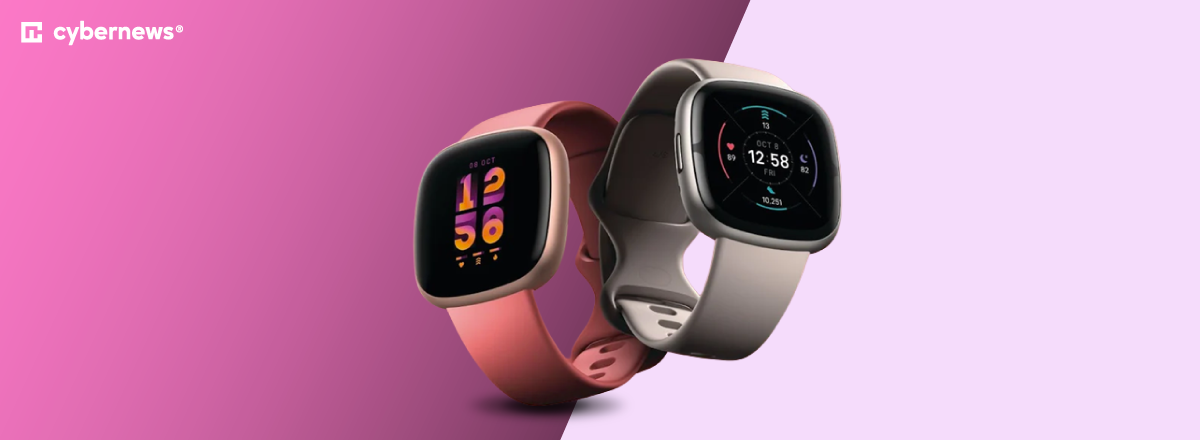
The Fitbit Sense 2 and Versa 4 are two of Fitbit’s most popular smartwatches – and at first glance, they look almost identical. They share a similar design, many of the same core features, and comparable battery life. Yet they’re priced differently, which leaves many buyers like you unsure which to choose.
But here’s the thing: they’re actually different and made for specific purposes. The Fitbit Sense 2 is designed for users who want deeper health insights, including stress and heart health monitoring. The Fitbit Versa 4, on the other hand, focuses on fitness tracking and smartwatch basics. So, which one should you pick?
To help you figure it out, the Cybernews research team and I reviewed official specs, software documentation, and user feedback to create this Fitbit Sense 2 vs Versa 4 comparison. In this guide, you’ll see how they differ in health and fitness tracking, battery life, and overall performance.
In this Fitbit Sense 2 vs Versa 4 comparison, the Sense 2 comes out on top, offering strong fitness tracking plus advanced health-monitoring features. The Versa 4, while more affordable, focuses primarily on fitness tracking.
Fitbit Sense 2 vs Versa 4 overview
Before getting into a detailed Fitbit Sense 2 vs Versa 4 comparison, it is helpful to compare them side by side and see how they differ from each other.

|
|
|
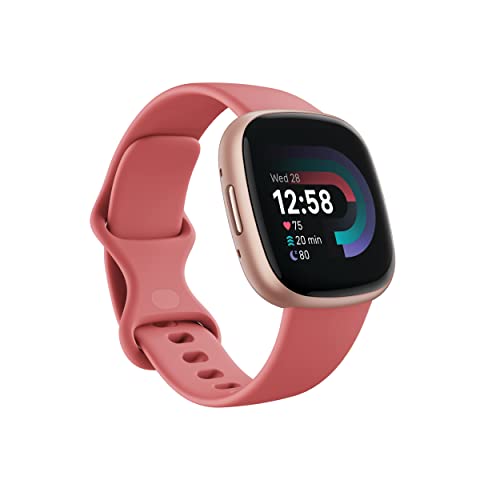
| Title | Fitbit Sense 2 | Fitbit Versa 4 |
| Price | $249.95 | $185.00 $199.95 -7% |
| Rating | 4.5/5 | 4.2/5 |
| Overall rank | Brand setting | Brand setting |
| Key features | GPS, gyroscope, sleep tracking, long battery life, activity tracking, 40+ exercise modes, water-resistant, blood oxygen sensor, barometer, ECG, cEDA sensor for advanced stress monitoring, temperature sensing | GPS, gyroscope, sleep tracking, long battery life, activity tracking, stress monitoring, 40+ exercise modes, blood oxygen sensor, barometer, water-resistant |
| Best for | Fitness enthusiasts tracking ECG and stress | Fitness and workout tracking |
| More info | Buy on Amazon | Buy on Amazon |
About Fitbit Sense 2
The Sense 2 is Fitbit’s most dedicated smartwatch for health and stress management. It comes with advanced health tracking features like the cEDA sensor, skin temperature sensor, and ECG app, which go beyond basic fitness tracking. It’s designed for users who want to understand how their body responds throughout the day, not just during workouts.
It also delivers strong fitness tracking, built-in GPS, reliable sleep monitoring, and a bright AMOLED display that’s easy to read indoors and outdoors. Battery life lasts around 6 days with moderate use, and the watch is water-resistant.
About Fitbit Versa 4
The Fitbit Versa 4 is purposefully designed to be a reliable everyday fitness smartwatch. It’s perfect if you just want to track workouts, daily activity, and basic health metrics – without paying extra for advanced features you might never use.
It covers all the essentials well. You get heart rate and blood oxygen monitoring, built-in GPS, sleep monitoring, and support for a wide range of workouts. Plus, it feels light on the wrist, making it comfortable for long workouts and overnight wear.
Fitbit Sense 2 vs Versa 4: specs and features compared
To understand which product offers more value, I compared their key features side by side with the Cybernews research team.
|
|
|
|
| Title | Fitbit Sense 2 | Fitbit Versa 4 |
| Display | 1.58 inches, AMOLED | 1.58 inches, AMOLED |
| Color | Pale Gold, Platinum, Graphite | Copper Rose, Platinum, Graphite |
| Battery life | 6+ days | 6+ days |
| Water resistance | Up to 50m | Up to 50m |
| Skin temperature sensor | Yes | No |
| ECG App (AFib/ heart rhythm) | Yes (on-demand) | No |
| Stress tracking | Advanced (continuous Electrodermal Activity – cEDA sensor) | Basic (heart-rate based) |
| GPS | Yes | yes |
| Exercise modes and activity tracking | 40+ modes, monitors daily activity including steps taken, distance traveled, calories burned, and active minutes | 40+ modes, monitors daily activity including steps taken, distance traveled, calories burned, and active minutes |
| Heart rate monitoring | Yes | Yes |
| Sleep tracking | Yes | Yes |
| Blood oxygen monitoring (SpO2) | Yes | Yes |
| Smart features | Bluetooth 5.0, Google Maps, Google Wallet, voice assistant (Amazon Alexa), app notifications, on-wrist calls, text | Bluetooth 5.0, Google Maps, Google Wallet, voice assistant (Amazon Alexa), app notifications, on-wrist calls, text |
| Extras | 6-month free trial for Fitbit Premium | 6-month free trial for Fitbit Premium |
| More info | Buy on Amazon | Buy on Amazon |
Both watches share the same core health tracking features like heart rate, SpO2, and sleep monitoring. They also include built-in GPS, long battery life, and Google Wallet for contactless payments. These features make them solid fitness smartwatches for everyday use.
The Sense 2, however, offers a noticeably different daily experience. Its stress monitoring, ECG, and skin temperature tracking provide considerably more value if you care about managing stress and monitoring your heart health every day.
The Fitbit Sense 2 – it delivers deeper, more proactive health insights with advanced stress tracking, on-demand ECG, and skin temperature monitoring. These features go beyond the basics and add real everyday value for heart and stress management.
Fitbit Sense 2 vs Versa 4: health tracking
Most of the health features you’d expect on a standard fitness smartwatch are here on both models, like SpO2, heart-rate, and stress monitoring. Sleep tracking is reliable on both too, letting you see sleep stages, duration, and overall sleep quality.
However, the Sense 2 goes a step further. It has a dedicated skin temperature sensor, which gives extra insight into your sleep patterns through the Fitbit app. Keep in mind that both watches offer the detailed Sleep Profile feature, but you’ll need Fitbit Premium to access it.
Stress tracking is another area where the Sense 2 stands out. Its cEDA sensor continuously monitors your body’s stress responses throughout the day. Over time, this can help you identify personal stress triggers. The Versa 4 tracks stress as well, but it relies on heart rate and basic data, so the insights aren’t as detailed.
For heart health, the Sense 2 includes an ECG app for atrial fibrillation screening. You simply hold your fingers on the watch frame for 30 seconds, and it analyzes your heart rhythm. It’s not a diagnostic tool, but it can be helpful as a screening aid. Overall, the Sense 2 offers a more complete health-tracking experience.
The Sense 2 – because its skin temperature sensor, continuous cEDA-based stress tracking, and on-demand ECG deliver more detailed and actionable health insights than the Versa 4.
Fitbit Sense 2 vs Versa 4: fitness tracking
The Sense 2 and Versa 4 share similar fitness tracking features. Both support more than 40 exercise modes, so whether you’re running, cycling, or trying something new, you’re covered.
For gym workouts, both handle the basics like tracking sets and reps during strength training, though neither is perfect at automatically detecting movements. You’ll likely need to log some exercises manually for the most accurate results. Both also do a solid job tracking everyday activity, including steps, calories burned, and even the number of floors you climb.
When it comes to outdoor workouts, the Sense 2 pulls ahead in one key area: GPS accuracy. From multiple user reports, the Versa 4’s GPS can be a bit inconsistent compared to the Sense 2. So if running or outdoor workouts are a big part of your routine, the Sense 2 may give you a more reliable overall fitness tracking experience.
The Fitbit Sense 2 – because its more reliable GPS tracking makes it a better choice for runners and outdoor workouts, where accuracy matters most.
Fitbit Sense 2 vs Versa 4: battery life
One of the best things about the Sense 2 and Versa 4 is their battery life. They can last up to 6 days, but it depends on how you use them. Many users say that using the built-in GPS continuously, always-on display, and other sensors drains the battery a bit faster. Even so, I still think it’s great, especially since even the best Apple Watches often need to be recharged daily.
I also like how fast they charge. It only takes about 1 to 2 hours to go from almost empty to full. Overall, battery performance is virtually identical between the two models.
It’s a draw – both the Sense 2 and Versa 4 deliver nearly identical battery life and charging speeds, easily lasting several days on a single charge.
Fitbit Sense 2 vs Fitbit Versa 4: price and value
The Versa 4 covers all the essential features you need from a standard fitness-tracking smartwatch and is generally considered a budget-friendly option. The Sense 2, on the other hand, goes beyond basic tracking, offering advanced health sensors and wellness features, which makes it cost more.
You only need the free Fitbit app to use either watch, but both also offer a Fitbit Premium subscription. It’s optional, though some users feel pushed toward it because it unlocks deeper insights, guided programs, detailed health metrics, and personalized analysis.
Overall, if fitness tracking is your main focus, the Versa 4 is the best value smartwatch since it gives you everything you need at a lower price.
The Versa 4 – it delivers all the essential fitness-tracking features at a lower price, making it the better value choice if you don’t need advanced health sensors.
Fitbit Sense 2 vs Versa 4: smartwatch performance
After reviewing multiple user feedback, both the Sense 2 and Versa 4 offer decent smartwatch performance. However, you should know that they are far from the best options on the market in this regard.
Unlike top products like the Apple Watch or Galaxy Watch that come with broader app compatibility, what you’ll get from these Fitbit watches are basic features like contactless payments, Bluetooth call handling, and so on. Some users even claim that the NFC isn’t always reliable. Also, you won’t find extensive third-party app support (beyond Google product suites) on both smartwatches, or the ability to store and play music.
According to some user reviews, the UI experience is also not the best on both smartwatches. There are reports of syncing hiccups and occasional lag when swiping through menus. Some users report setup friction during initial pairing, and app stability isn't always rock-solid. Overall, smartwatch performance differences are minimal, but the Sense 2 has a slightly more premium feel in day-to-day use.
It’s a draw – both the Sense 2 and Versa 4 offer similarly limited smartwatch performance, with the same core features, app restrictions, and occasional UI hiccups that make their day-to-day experience nearly identical.
Fitbit ecosystem, subscriptions, and data privacy
Both the Sense 2 and Versa 4 are part of the Fitbit ecosystem, so to access all features and get the full experience, you’ll need the Fitbit app and an account. Also note that since Google has acquired Fitbit, you may also need a Google account to complete your setup.
The Fitbit experience centers around daily health tracking that syncs to your phone via the app. You’ll get basic metrics and insights for free, but Fitbit Premium unlocks deeper analysis, personalized coaching, and guided programs. Whether you need Premium really depends on how much detail you want from your health data.
When you start using the Fitbit app, there are a few things you should handle right away from a privacy standpoint:
- Review app permissions. The Fitbit app will request access to your location, health data, and other permissions to give you a better experience. However, this can create a risk of potential data leaks. So make sure you check what you’re sharing and turn off anything unnecessary to protect your privacy and security.
- Use strong account security. I also recommend securing your account with a strong, unique password. If two-factor authentication is available (and it should be), turn it on.
What users think about each model?
For this Fitbit Sense 2 vs Versa 4 review, I dug into Reddit and Fitbit's community forums to see what real users have to say about both models. The feedback reveals some interesting opinions you should consider. For starters, most Sense 2 users like the fact that the device comes with the cEDA feature for better stress and health tracking.
However, there's consistent feedback about the app experience being less intuitive than expected. Battery life tends to meet Fitbit's claims for most users, though heavy feature use drains it faster than advertised.
Over on the Versa 4 side, users highlight how suitable it is for basic fitness tracking. The battery holds up well in real-world use, which people really appreciate. But there are complaints about missing features compared to previous Fitbit models and the Sense 2. Many users expected more functionality at this price point and feel slightly shortchanged by what was left out.
Final verdict: which model should you choose?
Choosing between the Sense 2 and Versa 4 really comes down to what you’ll use every day. Go with the Sense 2 if health tracking is your main priority. You’ll get features like ECG monitoring, cEDA sensors for stress management, and advanced wellness tools. Yes, you’ll pay more upfront, but for the insights you get, that premium makes Sense.
On the other hand, the Versa 4 is a smarter pick if you want a solid fitness tracker with GPS that doesn’t overcomplicate things. It covers all the basics really well, like workouts, sleep tracking, and heart rate monitoring, and costs less while doing it.
That said, before you commit to either one, there are a few things you should check first:
- Make sure ECG functionality is actually available in your country (it's not available everywhere)
- Think about whether a Fitbit Premium subscription fits your budget and goals
- Check the return policy well
- Verify that the Fitbit app is compatible with your phone
Other reviews from Cybernews:
Hume Band vs Apple Watch: which one should you choose?
Hume Band vs Fitbit: which should you choose?
Apple Watch Ultra 1 vs Ultra 2 vs Ultra 3: what’s changed and which one should you buy?
Garmin venu 3 vs 3S: how do they compare?
FAQ
Does Fitbit Sense 2 have ECG, and is it available in every country?
Yes, it does. The Sense 2 comes with an ECG feature you can use to assess your heart rhythm. However, availability varies, so it is not available in every region. If you want this feature, make sure you check Fitbit's regional support page to verify if it’s available in your region before buying.
Does Versa 4 support the same stress tracking features as Sense 2?
Not fully. Both watches track your stress through heart rate variability. However, the Sense 2 goes further with its cEDA sensor that measures electrodermal activity for more detailed stress insights.
Do I need Fitbit Premium to get the most out of Sense 2 or Versa 4?
Yes, you do. You'll get core features like activity tracking, heart rate monitoring, and basic sleep data without Premium. But for advanced analytics and guided programs, you’ll need a subscription. Fitbit gives you a six-month trial, which helps you decide if it's worth the ongoing cost.
How accurate is built-in GPS on Sense 2 vs Versa 4 for running and hiking?
Both use the same GPS technology and deliver comparable accuracy for outdoor activities. Expect similar performance whether you're tracking runs or hikes. Although there are reports that the Sense 2 has a marginally more accurate GPS build.
Which model is the better long-term value if I don’t want a subscription?
The Versa 4 makes more Sense if you’re not signing up for Fitbit Premium. Without the subscription, you won’t get the full benefit of the Sense 2’s advanced sensors, so you’d be paying extra for features you can’t fully use.