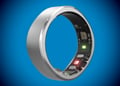
Oxiline vs HumeHealth: brand overview comparison
Being behind major reports like The Mother of All Breaches and RockYou2024, our in-house cybersecurity experts and journalists provide unbiased, real-world testing and in-depth analysis.
We maintain complete transparency by openly sharing our testing methodologies with our audience.
Learn more

At-home health monitoring has been all the rage in recent years, with Oxiline and HumeHealth being among the most talked-about names in the industry. And while both companies position themselves as health-tech brands, they focus on different aspects.
Oxiline offers a much wider range of personal devices with medical-grade sensors, with a focus on standalone operation. On the other hand, HumeHealth is all about its tightly integrated, data-centric ecosystem and deeper insights into your long-term health.
To show you more about these brands, explain how they stack up against one another, and help you choose between them, the Cybernews research team and I conducted a thorough Oxiline vs HumeHealth comparison. We based our research on brand offerings and claims, as well as overall user sentiment across multiple review platforms.
Oxiline vs HumeHealth: brand snapshot
Before I go into the thick of it, I wanted to give you a brief overview of these two brands. The table below outlines what Oxiline and HumeHealth are all about, along with their devices and who they’re for:
| Brand | Oxiline | HumeHealth |
| Overall rating | ⭐ 4.9 | ⭐ 4.8 |
| Focus | Easy-access at-home wellness monitoring with simple readings of day-to-day metrics | Advanced body composition metrics and metabolic health tracking with a focus on long-term insights |
| Product categories |
|
|
| Target audience | Users who want to track more basic health-related metrics with medical-grade yet affordable at-home devices | Health-conscious users and fitness enthusiasts seeking deeper health-related insights and broader body composition metrics |
| Price | From $99 (smart scales) | From $183 |



Our team of in-house researchers, writers and editors reviews and analyzes health tech products using a research-driven approach. We gather data from multiple sources, fact-check all information, and conduct our research based on peer-reviewed studies, expert opinions, consumer ratings, and regulatory approvals.
You can learn more about how we test health tech products here.
Oxiline vs HumeHealth: product ecosystem and offerings
One of the most significant differences between Oxiline and HumeHealth lies in the number of products they offer.
On the one hand, Oxiline takes a much broader approach. It comprises an entire ecosystem of devices, with everything from smart scales and upper-arm blood pressure monitors to pulse oximeters, glucometers, and thermometers. There’s no one core device here; users can buy exactly what fits their lifestyle.
While most of these products feature Bluetooth connectivity and automatically sync with the Oxiline app, the hardware itself is fully usable on its own. This makes Oxiline ideal for users who want flexibility, with minimal reliance on subscriptions.
In comparison, HumeHealth offers just two products: the Body Pod and the Band. The former smart device is at the center of the brand’s tightly integrated ecosystem, whereas the latter serves as more of a companion wearable.
Both devices feed data to the HumeHealth app, which then interprets it and provides in-depth, long-term health-related insights. And although you can use the free version, a subscription is a must for anyone who wants to take full advantage of all 45 health metrics.
To reiterate, Oxiline prioritizes a broader device range and standalone gadget operation, whereas HumeHealth takes a more cohesive approach and provides deeper insights.
Oxiline vs HumeHealth: technology and health focus
Both Oxiline and HumeHealth offer devices that are jam-packed with multiple health-monitoring sensors. That said, these two brands differ in their focus.
Oxiline’s gadgets are built around hands-on health monitoring. Here, it’s all about practicality, with almost every device packing an LCD or an LED and offering real-world usefulness even without the app.
With Oxiline, the emphasis is on everyday medical needs, as these built-in displays show metrics that people already understand. These include weight, body mass index (BMI), blood pressure, oxygen saturation, and body composition data, making Oxiline devices useful for easy-access health monitoring.
On the other hand, HumeHealth takes a more data-driven, long-term-focused approach. Here, the Body Pod uses an 8-point measurement system, with handles that create a complete electrical map through your arms and torso, rather than relying solely on sensors that measure through your feet.
The brand also prides itself on its insight-centric algorithm, which it claims provides a 98% correlation with DEXA scans. It was designed to show more than current numbers; it aggregates data and reveals patterns over time, placing greater emphasis on long-term wellness.
Oxiline vs HumeHealth: ease of use and brand experience
The overall user experience is another key area where Oxiline and HumeHealth differ.
On the one hand, you have Oxiline, whose gadgets are all about standalone operation and quick day-to-day health-related readings. These devices are also a breeze to set up on their own, and they easily pair with the Oxiline app for Android and iOS.
The app offers an incredibly user-friendly dashboard and is super simple to use, even if you’ve never navigated one before. It also integrates with most major health platforms, including Google Fit, Apple Health, and FitTrack.
In comparison, the HumeHealth experience is much more app-centric. Setting up the Body Pod or the Band is by no means difficult, but it’s certainly not as simple as with the Oxiline devices. However, while there’s more onboarding, once you get things rolling, the HumeHealth app does provide richer data visualization and deeper long-term health insights.

Oxiline vs HumeHealth: pricing and value positioning
While an Oxiline Scale MD Pro vs HumeHealth Body Pod comparison is an exception, in a typical Oxiline vs Hume scale price showdown, the former always takes the crown. The same goes when you’re comparing other Oxiline products with the HumeHealth Band.
That’s because Oxiline generally keeps things affordable and accessible. Most devices in its lineup are priced below $100, although a few exceed this threshold. That said, there are no subscription costs to worry about here, making Oxiline ideal for budget-conscious users.
By contrast, HumeHealth positions itself as a more premium brand. For starters, the upfront hardware cost here is generally higher than with almost any Oxiline device. And while you can use the free version of the HumeHealth app, the brand’s value actually lies in its 45 health-related metrics, which you can only unlock with a premium subscription.
Oxiline vs HumeHealth: pros and cons
Before I wrap things up, I wanted to do a quick recap of each brand’s strengths and drawbacks:
Which brand is right for you?
While both Oxiline and HumeHealth offer feature-rich smart scales and other devices with extensive health-focused insights, these two brands clearly have different target groups.
If you want affordable and accessible health-focused gadgets, choose Oxiline. Its practical everyday devices are easy to set up and use on their own or with an app. They’re ideal for those among you who just want simple day-to-day wellness readings without focusing on long-term health insights.
For those who want a more premium, tight-knit ecosystem, HumeHealth is the better option. While its two-device lineup might not be nearly as versatile as Oxiline’s, the Body Pod and the Band are both specialized devices that provide tons of data-driven, long-term insights into your fitness levels, body composition, and more.
Final summary
By now, it should be clear that Oxiline and HumeHealth have vastly different wellness priorities. And while you won’t go wrong with either of these brands, I wanted to highlight their core strengths in this wrap-up.
Oxiline keeps things simple with affordable devices that excel in everyday health monitoring. It also offers superior versatility, as its lineup comprises more than 20 gadgets, so there’s something to fit everyone’s lifestyle.
HumeHealth, by contrast, offers only two devices. Yet, these are more than sufficient to make Hume a strong option for users seeking access to additional health metrics, deeper body analytics, and a more cohesive platform.
Other reviews you might be interested in:
Oxiline Scale MD Pro vs Hume Body Pod: which body composition device is better?
Oxiline Scale X Pro vs Withings: which smart scale is better?
Oxiline Blood Pressure Monitor review: 9S Pro and XS Pro explained
Oxiline Pulse Oximeter review: accuracy, features, and real-world reliability
FAQ
How is Oxiline different from HumeHealth as a brand?
On the one hand, Oxiline focuses on variety, affordability, and easy access to day-to-day health readings, with or without the app. Meanwhile, HumeHealth positions itself as a premium, long-term health-focused brand with products that reveal health patterns over time.
Does Oxiline or HumeHealth offer a more complete health ecosystem?
With a lineup of more than 20 gadgets, Oxiline has a complete health-focused device ecosystem. In comparison, HumeHealth doesn’t offer nearly as much variety, but its tight-knit, two-device ecosystem is much more cohesive.
Are Oxiline and HumeHealth products suitable for everyday users?
Compare Oxiline Scale MD Pro vs Hume Body Pod in terms of everyday use, and you’ll find that both devices excel. However, Hume is undoubtedly more focused on physiological changes over time and, thus, long-term health insights, which makes Oxiline a slightly better choice for simple day-to-day readings.
Is Oxiline or HumeHealth a better value for money?
In a Hume Health vs Oxiline showdown, the latter easily takes the crown in terms of affordability. That said, the HumeHealth Body Pod and Band are more than worth it for users who want to track a broader range of metrics and appreciate highly accurate, long-term-focused readings.