Best LifeLock identity theft alternatives in 2026
Our in-house experts test identity theft protection services themselves, using real-world scenarios and established testing methods. We look at how well each service monitors personal information, how quickly and clearly it sends alerts, what recovery support it offers, and how it handles customer data.
We assess every provider using the same criteria and explain our testing process clearly, so readers can compare services and make a more informed choice.
Learn more

Norton LifeLock is one option for identity theft protection, but it won’t be the right fit for everyone. Its pricing, credit bureau monitoring, and family coverage depend on the plan you choose, so some people may prefer alternatives with different features or more flexible pricing.
Together with the Cybernews research team, I reviewed the best alternatives to LifeLock based on factors like real-time alerts, data monitoring, credit monitoring features, insurance coverage, and limits. In this article, I’ll explore Coveron, Guardio, Aura, and other Lifelock alternatives to help you find which one fits your needs the best.
The best LifeLock alternatives in 2026 (quick picks)
- Coveron – best overall LifeLock alternative on the market
- Guardio – best browser-focused identity theft protection
- Aura – best LifeLock alternative for families
Why look for a LifeLock alternative?
The primary reason to look for Lifelock alternatives is its price. LifeLock’s prices start at $10.42/month, which is rather steep compared to its competitors, like Coveron (from $4.74/month) or Surfshark Alert (from $2.79/month), but there are a few more reasons to seek alternatives:
- Slower alert speed. I noticed some users report faster alerts on LifeLock’s competitors, with Aura and Coveron mentioned among speedy options.
- FTC settlement issues. It’s worth noting that the company agreed in 2015 to pay $100 million to settle Federal Trade Commission charges that it had violated a 2010 federal court order by failing to adequately protect consumers’ sensitive personal information and making deceptive advertising claims.
Top alternatives to LifeLock – detailed reviews
Below, I have gathered 6 LifeLock alternatives that add improvements or offer a different cybersecurity focus. Let's see what is better than LifeLock and how the following services enhance your digital identity protection.
1. Coveron – best overall alternative to LifeLock in 2026

| Rating: | |
| Dark web monitoring: | ✅ Yes |
| Credit monitoring: | ✅ Yes, up to 3 credit bureaus |
| Insurance: | Up to $2M |
| Free trial: | ❌ No, 30-day money-back guarantee only |
| Price: | From $4.74/month |
| Special deal: | 🔥 Get up to 66% OFF with a 2-year plan + additional 5% OFF with cybernews5 🔥 |
Coveron (formerly NordProtect), built by Nord Security, the company behind NordVPN and NordPass, combines identity monitoring, credit tracking, dark web surveillance, and home title protection in one dashboard. It won't out-muscle LifeLock on insurance coverage or hands-on recovery support, but it wins on price and simplicity, which is why it's my pick as the best overall value alternative.
Why Coveron is a good alternative to LifeLock
- Much lower entry price. Coveron starts at $4.74/month (2-year plan), compared to LifeLock's $10.42/month starting price, which is a significant gap at the entry level.
- Slower price scaling across tiers. LifeLock's cost climbs steeply from Core to Total ($10.42 to $29.17/month on annual billing), while Coveron rises more gradually across its Scam Protection, Identity Theft Protection, and Full Protection tiers.
- Comparable identity monitoring coverage. Both services cover dark web monitoring, SSN monitoring, and fraud alerts, matching LifeLock feature-for-feature on these core checks. Coveron also adds malware breach alerts, which LifeLock's core plans don't offer.
- Equal credit monitoring reach. Both providers offer up to three-bureau credit monitoring on their higher tiers, so you're not sacrificing coverage depth by choosing the cheaper option.
- Faster dark web alerts in testing. In my tests, Coveron flagged dark web leaks in under 10 minutes, while LifeLock sometimes took hours to surface the same type of exposure.
- Solid insurance value. Coveron's $2 million identity theft coverage comes with added protections like cyber extortion coverage (up to $50K) and online fraud reimbursement (up to $10K), giving practical value even though LifeLock's headline limit is higher. Both providers offer home title protection, but only Coveron adds home title insurance coverage up to 25K.
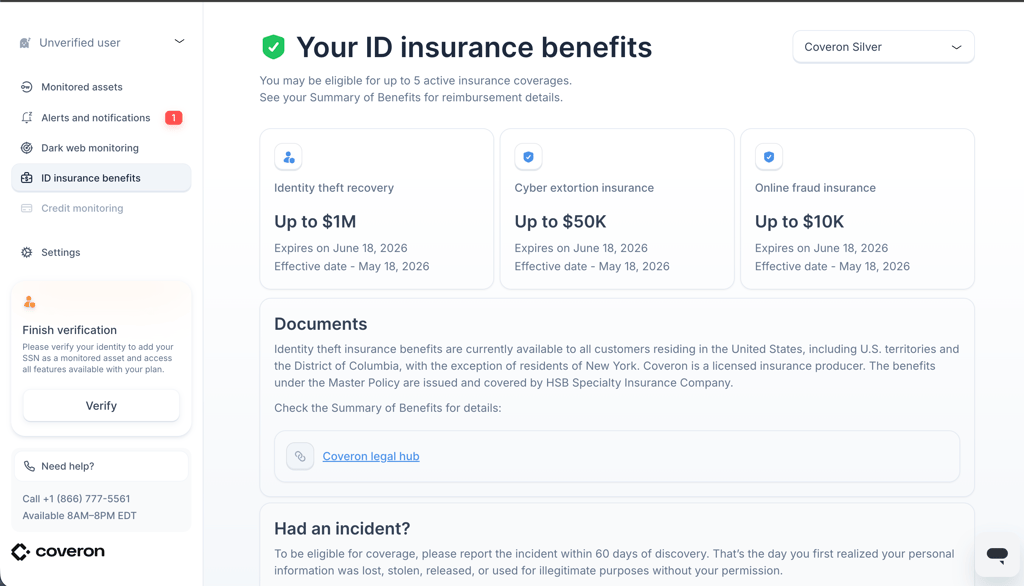
Compare Coveron to LifeLock
| Feature | Coveron | LifeLock |
| Rating | ||
| Identity restoration | Guided recovery support | Full-service recovery, dedicated agents (US-based) |
| Dark web monitoring | ✅ Yes | ✅ Yes |
| Credit monitoring | Up to 3 bureaus | Up to 3 bureaus |
| Identity theft insurance | Up to $2 million | Up to $3 million |
| Fraud alerts | ✅ Yes | ✅ Yes |
| Extra security tools | VPN, breach monitoring | Antivirus, VPN, password manager |
| Starting price | $4.74/month | $10.42/month |
To learn more about how these providers stack up against each other, read our comprehensive Coveron vs LifeLock comparison.
2. Guardio – best browser-level LifeLock alternative

| Rating: | |
| Dark web monitoring: | ✅ Yes |
| Credit monitoring: | ❌ No |
| Insurance: | Up to $1M, only on VIP plan |
| Free trial: | ❌ No, 3-day money-back guarantee only |
| Price: | From $131.88/month |
| Special deal: | 🔥 Get Guardio, starting at $131.88/year 🔥 |
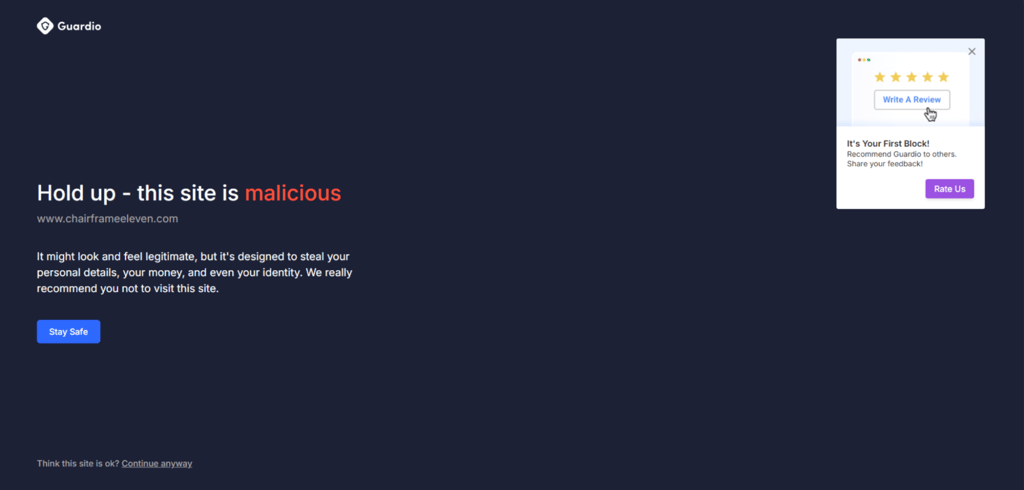
Guardio is a browser-level security tool that blocks phishing pages, scam links, and malicious downloads in real time, while also including dark web monitoring and up to $1 million in identity theft coverage. It won't match LifeLock's credit monitoring or deep restoration support, but it offers a genuinely faster layer of threat prevention and a lower price point, making it a solid alternative for users whose main risk is real-time online scams.
Why Guardio is a good alternative to LifeLock
- Lower price. Guardio starts at $131.88/month, compared to LifeLock's plans that start at $10.42/month.
- Real-time threat blocking. Guardio actively blocks phishing pages, scam links, and malicious downloads as they happen, offering a proactive layer of protection that complements LifeLock's after-the-fact breach alerts.
- Comparable dark web monitoring. Both services scan the dark web for exposed personal data and issue alerts when matches are found.
- Identity theft insurance included. Guardio offers up to $1 million in identity theft coverage, giving users a financial safety net similar in spirit to LifeLock's lower-tier insurance protection, even though LifeLock's top plans scale higher.
- Added mobile and email-specific protection. Guardio includes Gmail security and SMS scam protection on mobile, layering in threat detection channels that LifeLock's core identity monitoring doesn't specifically target.
Compare Guardio to LifeLock
| Feature | Guardio | LifeLock |
| Rating | ||
| Identity restoration | One-on-one guidance from dedicated agents, but only on VIP plan | Full-service recovery, dedicated agents (US-based) |
| Dark web monitoring | ✅ Yes | ✅ Yes |
| Credit monitoring | ❌ No | Up to 3 bureaus |
| Identity theft insurance | Up to $1 million, only on VIP plan | Up to $3M |
| Fraud alerts | ✅ Yes | ✅ Yes |
| Extra security tools | No additional tools | Antivirus, VPN, password manager (only with Norton 360 bundle) |
| Starting price | $131.88/month | $10.42/month |
If you want to compare these two providers more extensively, go to our Guardio vs Lifelock comparison.
3. Aura – best for families and bundled tools

| Rating: | |
| Dark web monitoring: | ✅ Yes |
| Credit monitoring: | ✅ Yes, 3 major credit bureaus for all plans |
| Insurance: | Up to $5M (up to $1M per adult) |
| Free trial: | ✅ Yes, 14-day free trial |
| Price: | From $8.00/month |
| Special deal: | 🔥 Get up to 66% OFF Aura Identity Theft Protection 🔥 |
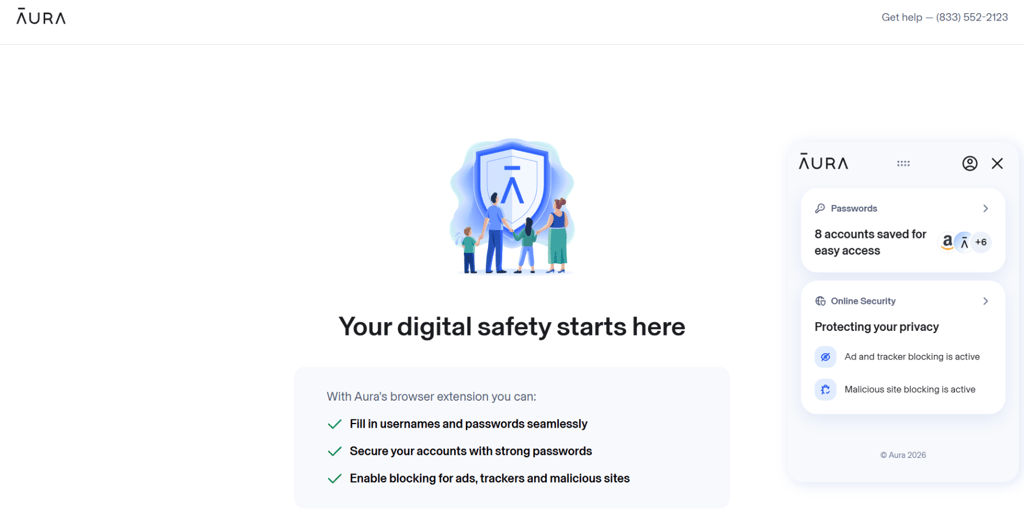
Aura is an all-in-one identity theft protection and digital security service that bundles credit monitoring, dark web scanning, a VPN, antivirus, and a password manager into a single flat-rate plan. It won't win against LifeLock on maximum insurance payout or dedicated US-based restoration specialists, but it wins on consistent 3-bureau coverage, predictable pricing, and bundled tools, making it one of the strongest all-in-one alternatives.
Why Aura is a good alternative to LifeLock
- Consistent 3-bureau credit monitoring. Aura monitors Experian, Equifax, and TransUnion on every plan, while LifeLock limits 3-bureau monitoring to its Advanced and Total tiers (the Core plan only covers one bureau).
- Lower entry price. Aura's individual plan starts at $8.00/month versus LifeLock's $10.42/month, and its family plan runs $18.00–29.00/month compared to LifeLock's $28.75/month.
- Comparable identity monitoring coverage. Both services scan the dark web, data broker sites, and SSNs in near real time, and now deliver alerts within minutes rather than hours.
- All security tools included by default. Aura bundles VPN, antivirus, and a password manager into every plan at no extra cost, while LifeLock requires the separate Norton 360 bundle to access the same tools.
- Solid insurance and recovery support. Aura provides up to $1 million in identity theft insurance per adult (up to $5 million on the Family plan) along with a dedicated case manager who guides you through claims, comparable to LifeLock's, even though LifeLock's top-tier plan offers a higher $3 million ceiling.
Compare Aura to LifeLock
| Feature | Aura | LifeLock |
| Rating | ||
| Identity restoration | Recovery support agents | Full-service recovery, dedicated agents (US-based) |
| Dark web monitoring | ✅ Yes | ✅ Yes |
| Credit monitoring | 3 bureaus | Up to 3 bureaus |
| Identity theft insurance | Up to $5M (up to 1M per adult) | Up to $3M |
| Fraud alerts | ✅ Yes | ✅ Yes |
| Extra security tools | Antivirus, VPN, password manager | Antivirus, VPN, password manager (only with Norton 360 bundle) |
| Starting price | $8.00/month | $10.42/month |
If you want to know more about how these services compare, check out our dedicated Aura vs LifeLock comparison.
4. Surfshark Alert – best LifeLock alternative bundled with a VPN

| Rating: | |
| Dark web monitoring: | ✅ Yes |
| Credit monitoring: | ❌ No |
| Insurance: | Up to $1M |
| Free trial: | ❌ No, 30-day money-back guarantee only |
| Price: | From $2.79/month |
| Special deal: | Get up to 85% OFF Surfshark Alert + 3 months FREE |
Surfshark Alert is a breach monitoring feature bundled into Surfshark One and Surfshark One+, rather than a standalone identity theft protection service. It can't match LifeLock on credit monitoring, insurance, or recovery support, but it wins decisively on price and offers unlimited email breach monitoring alongside a full privacy bundle (VPN, antivirus, private search, and Alternative ID). This makes it a strong pick for budget-conscious users whose main concern is breach alerts rather than full identity restoration.
Why Surfshark Alert is a good alternative to LifeLock
- Significantly lower price. Surfshark One starts at $2.79/month on the 2-year plan, compared to LifeLock's $10.42/month starting price – a fraction of the cost when you factor in the bundled VPN and antivirus.
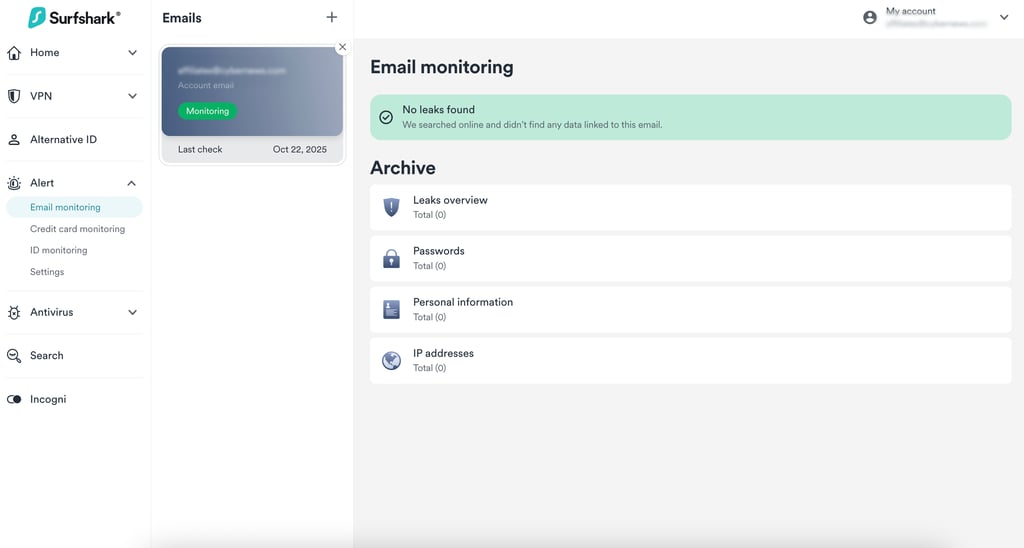
- Comparable email and personal ID monitoring. Both services scan for exposed emails and personal identifiers against breach databases, and Surfshark allows unlimited email addresses to be monitored, which is broader than many competitors' limits.
- Comparable personal ID monitoring. Both services scan for exposed personal identifiers against known breach databases and flag matches to help you act quickly.
- Historical breach visibility. Like LifeLock, Surfshark Alert shows past breaches tied to your data during setup, giving you a baseline view of existing exposure rather than only alerting on future leaks.
- Bundled privacy extras are included by default. Every plan that includes Alert also comes with a VPN, antivirus, private search engine, and Alternative ID (a burner email/identity layer) – tools LifeLock only offers through a separate Norton 360 bundle at extra cost.
Compare Surfshark Alert to LifeLock
| Feature | Surfshark Alert | LifeLock |
| Rating | ||
| Identity restoration | Hands-on help from a licensed identity theft investigator | Full-service recovery, dedicated agents (US-based) |
| Dark web monitoring | ✅ Yes | ✅ Yes |
| Credit monitoring | ❌ No | Up to 3 bureaus |
| Identity theft insurance | Up to $1M | Up to $3M |
| Fraud alerts | ✅ Yes | ✅ Yes |
| Extra security tools | Antivirus, VPN, private search engine, Alternative ID | Antivirus, VPN, password manager (only with Norton 360 bundle) |
| Starting price | $2.79/month | $10.42/month |
5. Bitdefender – best LifeLock alternative for antivirus users

| Rating: | |
| Dark web monitoring: | ✅ Yes |
| Credit monitoring: | ✅ Yes, up to 3 credit bureaus |
| Insurance: | Up to $2M |
| Free trial: | ❌ No, 30-day money-back guarantee only |
| Price | From $5.83/month |
| Special deal: | Get up to 46% OFF Bitdefender! |
Bitdefender Identity Theft Protection combines credit monitoring, dark web scanning, SSN tracking, and White Glove Identity Restoration in one dashboard, backed by the trusted Bitdefender cybersecurity brand. It's a strong, budget-friendly LifeLock alternative that matches LifeLock on core monitoring and restoration support while undercutting it significantly on price, making the Premium plan a genuinely competitive pick.
Why Bitdefender Identity Theft Protection is a good alternative to LifeLock
- Lower starting price. Bitdefender starts at $5.83/month, compared to LifeLock's $10.42/month, and its Premium tier ($8.33/month) still costs less than LifeLock's entry-level Core plan.
- Matching 3-bureau credit monitoring. Both providers offer full Equifax, Experian, and TransUnion monitoring, though each requires a higher-tier plan to unlock it.
- Included identity restoration support. Bitdefender's white glove identity restoration is available on both Standard and Premium plans, with 24/7 access to US-based experts who handle the recovery paperwork – a comparable service to LifeLock's dedicated restoration specialists.
- Comparable identity monitoring depth. Both services cover dark web monitoring, SSN tracking, and real-time breach alerts, with Bitdefender adding medical ID fraud protection and a credit score simulator as extras.
- Solid insurance coverage. Bitdefender's Premium plan offers up to $2 million in identity theft insurance, covering stolen funds, legal fees, and lost wages.
Compare Bitdefender Identity Theft Protection to LifeLock
| Feature | Bitdefender | LifeLock |
| Rating | ||
| Identity restoration | US-based restoration specialists and certified experts | Full-service recovery, dedicated agents (US-based) |
| Dark web monitoring | ✅ Yes | ✅ Yes |
| Credit monitoring | Up to 3 bureaus | Up to 3 bureaus |
| Identity theft insurance | Up to $2M | Up to $3M |
| Fraud alerts | ✅ Yes | ✅ Yes |
| Extra security tools | No additional tools | Antivirus, VPN, password manager (only with Norton 360 bundle) |
| Starting price | $5.83/month | $10.42/month |
6. Incogni – best for data broker removal

| Rating: | |
| Dark web monitoring: | ❌ No (only with Protect plan with Coveron) |
| Credit monitoring: | ❌ No |
| Insurance: | ❌ No (only with Protect plan with Coveron, up to $1M) |
| Free trial: | ❌ No, 30-day money-back guarantee only |
| Price: | From $7.19/month |
| Special deal: | Special deal! Get Incogni with 55% OFF with code: CNDEAL |
Incogni takes a fundamentally different approach from LifeLock: instead of monitoring for identity theft after your data leaks, it proactively removes your personal information from data-broker and people-search sites before it can be misused. It's not a substitute for LifeLock's credit monitoring or insurance-backed recovery, but for reducing your overall exposure to identity theft, it's one of the most effective and affordable tools available.
Why Incogni is a good alternative to LifeLock
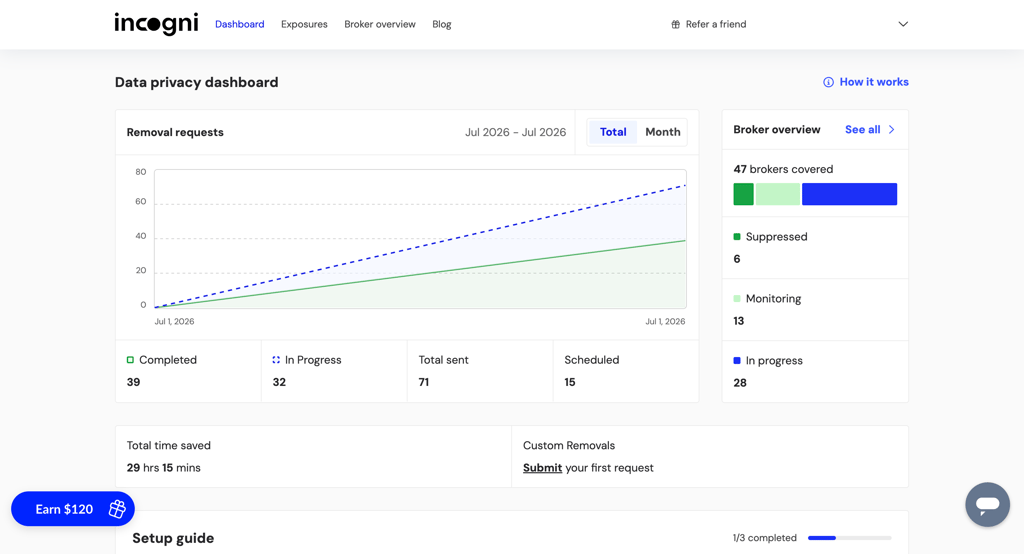
- Proactive exposure reduction. While LifeLock focuses on detecting misuse after it happens, Incogni removes your personal data from 420+ data brokers (and 3,000+ additional sites on Unlimited plans), reducing the raw material scammers and identity thieves can access in the first place.
- Lower price. Incogni starts at $7.19/month, well below LifeLock's $10.42/month starting price.
- Broader geographic availability. Incogni works in the US, UK, Canada, and many European countries, while LifeLock's identity theft protection and insurance benefits are limited to US residents.
- Ongoing monitoring against data reappearing. Incogni continuously tracks broker responses and follows up to keep your information suppressed, offering a form of continuous monitoring focused specifically on data broker exposure rather than credit or dark web activity.
- Family-friendly options at a lower cost. Incogni's Family plans extend automated removal to multiple people, offering a budget-friendly way to reduce a household's collective data exposure.
Compare Incogni to LifeLock
| Feature | Incogni | LifeLock |
| Rating | ||
| Identity restoration | Yes, but only through the Protect plan with Coveron | Full-service recovery, dedicated agents (US-based) |
| Dark web monitoring | ✅ Yes, but only with the Protect plan with Coveron | ✅ Yes |
| Credit monitoring | ❌ No | Up to 3 bureaus |
| Identity theft insurance | Only with the Protect plan with Coveron, up to $1 million | Up to $3M |
| Fraud alerts | ✅ Yes, but only with the Protect plan with Coveron | ✅ Yes |
| Extra security tools | No additional tools | Antivirus, VPN, password manager (only with Norton 360 bundle) |
| Starting price | $7.19/month | $10.42/month |
Read our Incogni vs LifeLock comparison to see all the differences between the two.
LifeLock vs top alternatives (side-by-side)
To see how LifeLock stacks up against other identity theft protection services, I researched its features, pricing, and monitoring capabilities side by side with alternatives. The key differences come down to cybersecurity extras and overall value. Check out how LifeLock compares to its strongest contenders:
| Identity theft protection services | 1st year price | Renewal price | Online data monitoring | Credit monitoring | Identity theft insurance | Money-back guarantee | Dark web monitoring | Parental controls | Password manager | Family plans | 24/7 customer support |
| LifeLock by Norton | $10.42/month | From ~$124.99/year (varies after intro period) | ✅ Yes | Up to 3 bureaus | ✅ Yes, up to $3 million | 60 days for annual subscriptions, 14 days for monthly plans | ✅ Yes | Only in Norton 360 with LifeLock | Only in Norton 360 with LifeLock | ✅ Yes, Family Plans for 2 adults or 2 adults + 5 kids | ✅ Yes |
| Coveron | $4.74/month | From $119.88/year | ✅ Yes | Up to 3 bureaus | ✅ Yes, up to $2 million | 30 days | ✅ Yes | ❌ No | ❌ No | ✅ Yes, for couples (2 adults + unlimited kids) or families (5 adults + unlimited kids) | ✅ Yes |
| Guardio | $5.07/month | $5.07/month | ✅ Yes | ❌ No | Up to $1 million, only on VIP plan | 3 days | ✅ Yes | ❌ No | ❌ No | ✅ Yes | ✅ Yes |
| Aura | $8.00/month | Unclear | ✅ Yes | 3 bureaus | ✅ Yes, up to $5 million | 60 days for annual plans only | ✅ Yes | ✅ Yes, Family plan only | ✅ Yes | ✅ Yes, for couples (2 adults) or families (5 adults + unlimited kids) | ✅ Yes |
| Surfshark Alert | $2.79/month | Unclear | ✅ Yes | ❌ No | ✅ Yes, up to $1 million | 30 days | ✅ Yes | ❌ No | ❌ No | ❌ No, but covers unlimited devices | ✅ Yes |
| Bitdefender Identity Theft Protection | $5.83/month | From $12.99/year | ✅ Yes | Up to 3 bureaus | Up to $2 million | 30 days | ✅ Yes | ❌ No | ❌ No | ❌ No | ✅ Yes |
| Incogni | $7.19/month | $7.19/month | ✅ Yes | ❌ No | ❌ No (only with Protect plan with Coveron, up to $1 million) | 30 days | ❌ No (only with Protect plan with Coveron) | ❌ No | ❌ No | ✅ Yes | ✅ Yes |
Other notable alternatives to LifeLock
IdentityIQ
IdentityIQ stands apart from LifeLock with its flexible tier structure and emphasis on credit monitoring. While LifeLock reserves three-bureau monitoring for higher-priced plans, IdentityIQ offers it through its upper tiers alongside family coverage, dark web and SSN monitoring, identity restoration, and up to $1 million in identity theft insurance. It may therefore appeal to users who want to tailor their coverage rather than pay for LifeLock’s broader ecosystem of financial and digital-security features.
AllState
Allstate Identity Protection differs from LifeLock by focusing more heavily on family coverage and bundled security tools. Its higher-tier plan can cover up to 10 people and includes three-bureau credit monitoring, a VPN, antivirus software, and a password manager, while LifeLock’s additional device-security features are generally tied to Norton 360 bundles. Allstate also combines monitoring with hands-on restoration support, making it a strong alternative for larger households seeking identity and digital protection in one plan.
Omniwatch
OmniWatch sets itself apart from LifeLock through its simpler, affordability-focused approach. Rather than matching LifeLock’s extensive financial-account, investment, and home-title monitoring, OmniWatch concentrates on core features such as dark web scanning, personal-information monitoring, and identity theft insurance that covers a broad range of fraud types. It may be a better fit for users who want straightforward identity protection and substantial insurance without paying for LifeLock’s larger range of monitoring and bundled services.




Our in-house experts test identity theft protection services using real-world scenarios and consistent criteria. We assess monitoring, alerts, recovery support, and data handling to help readers compare providers confidently. Learn more about our testing process.
How to choose a LifeLock alternative
When selecting your LifeLock alternative, there are several factors you should keep in mind. I listed them all below:
- Credit monitoring. Some services only watch one credit bureau, others cover all three. One-bureau monitoring can be enough in some cases, but it also means changes reported elsewhere may go unnoticed.
- Insurance coverage. Most providers advertise up to $1 million in identity theft insurance, though a few offer more. What matters just as much is what the policy actually covers and how claims are handled.
- Recovery support. Not all services handle identity recovery the same way. Some assign a dedicated specialist or investigator, while others route cases through standard support channels.
- Family coverage. If you’re protecting more than just yourself, it’s worth checking how many adults and children are included. Family plans can look similar from different providers, but the number of children covered and the type of monitoring included often differ.
- Pricing over time. Introductory pricing looks good on paper, but I always check what happens after the first year. Renewal costs tend to matter more than the initial discount.
- What’s actually monitored. Dark web scans are common, but some services go further with financial accounts, public records, or medical data. Whether that’s useful depends on your personal risk profile.
- Day-to-day usability. Clear alerts, fewer restrictions, and not having to upgrade plans just to access basic features make a noticeable difference once you’re actually using the service.
How to cancel LifeLock and move your data: step by step
If you decide it’s finally time to move from LifeLock to a more convenient alternative, you’ll be happy to know it only takes about 10 minutes. The cancellation is said to be rapid, assuming you’ve got details like your login, member ID, and billing date handy. Here’s how to handle the process from there:
- Log in to your account and go to the My Subscriptions page.
- Click on Cancel Subscription Renewal.
- You may have to provide a reason for your renewal cancellation. Alternatively, you can also use LifeLock’s live chat to terminate contract renewal.
- Wait for the confirmation email and save a screenshot of it.
- If you’ve lost access to your account or purchased the service on mobile, you’ll also need to reach out to live support via the 1-800-543-3562 helpline.
- You can then go ahead and download or export your case files and reports. Simply navigate to the dashboard panel, and go to Alerts and then Export CSV.
- Remove your remaining details from the account by going through the settings and selecting the Identify option. From there, you’ll be able to erase your SSN, financial information, and account numbers.
- Sign up with a new provider by using the exported personal data and set your alert preferences.
Conclusion: which LifeLock alternative is the best?
I recommend Coveron as the best LifeLock alternative. Firstly, it offers a similar set of features but at a lower price. While LifeLock’s pricing jumps after the first year, Coveron keeps costs steady, making it a better long-term investment for identity protection.
Alternatively, Aura is best for families, while Surfshark Alert is a good option for VPN users.
FAQ
Is there anything better than LifeLock?
Yes, Coveron is a stronger LifeLock alternative. It offers faster alerts, built-in security tools, and no surprise price hikes after the first year.
Is there a free alternative to LifeLock?
You can stumble across free identity theft protection services, but they are not worth the risk. Firstly, free identity theft tools often lack features like comprehensive fraud insurance, regular credit reports, or responsive customer support.
What are the disadvantages of LifeLock?
The most noticeable LifeLock disadvantage is the steep price for a limited service. Although its identity theft protection is robust, you will have to pay for the Norton 360 bundle to get an antivirus, a VPN, and a password manager. Simultaneously, LifeLock lacks parental controls that Aura offers.
Who owns LifeLock?
Currently, LifeLock is owned by Gen Digital, which acquired LifeLock by Norton in 2017 under Symantec's brand name, later renamed Gen Digital.
Is LifeLock worth the cost after the first year?
While LifeLock offers some essential identity protection features, such as real-time alerts and dark web protection, its price increases rapidly after the first year. I would say it’s not worth the extra charge, considering the hefty $124.99/year renewal price (for the lowest-tier plan).
What’s cheaper than LifeLock but still monitors 3 bureaus?
You can find various affordable options that still monitor credit reports across all three major credit bureaus. Some examples include Coveron and Aura.
Does Aura really alert faster than LifeLock?
Yes, based on the current user feedback, Aura reports security alerts up to 5 times faster than LifeLock. Based on my findings, it sends real-time alerts in under 5 minutes.
Do I need 3-bureau monitoring?
Yes, if you want complete coverage, it might be a better option. One-bureau monitoring might miss activity reported to other credit agencies, while 3-bureau monitoring will provide more detailed reports and ensure your peace of mind.
How much identity theft insurance is enough?
While most standard services offer up to $1 million in insurance for recovery purposes alone, there is no single right amount. The sum you might need will vary depending on various factors, including your personal circumstances and personal risks.
Will switching cause gaps in monitoring?
No, unless there is a huge time gap between canceling the old plan and setting up the new one. As most services start monitoring only once your account is verified, be sure to time the switching process accordingly.
Do I still need antivirus if identity protection includes it?
Yes, you might still need it, depending on the plan you get. Sometimes, the antivirus included in the subscription can be basic – a separate security software may provide an additional protection level.