LifeLock vs IDShield: which identity theft protection is better in 2026?
Our in-house experts test identity theft protection services themselves, using real-world scenarios and established testing methods. We look at how well each service monitors personal information, how quickly and clearly it sends alerts, what recovery support it offers, and how it handles customer data.
We assess every provider using the same criteria and explain our testing process clearly, so readers can compare services and make a more informed choice.
Learn more

Identity theft continues to rise each year, with cybercriminals becoming more sophisticated in how they exploit personal data. From phishing scams to leaked credentials on the dark web, protecting your identity is no longer optional – it’s essential. The consequences of identity theft can be long-lasting, affecting your finances, credit score, and peace of mind.
That’s why identity theft protection services like LifeLock and IDShield have become increasingly important. Both claim to offer real-time monitoring, recovery assistance, and proactive alerts – but how do they actually compare?
As a Cybernews expert, I teamed up with our in-house research team to thoroughly evaluate LifeLock and IDShield side by side. We examined their features, pricing, security standards, and user experiences to help you understand which service delivers more value and stronger protection. If you're looking for a reliable way to safeguard your identity in 2026, this comparison will help you make the right call.
Lifelock vs IDShield – overview
Here’s a quick side-by-side look at how LifeLock and IDShield compare across the most important identity protection features in 2026:
| Norton Identity Theft Protection | IDShield | |
| ⭐ Rating: | ||
| 🥇 Overall rank: | #3 out of #20 | #14 out of #20 |
| 💵 Price: | From $10.42/month | From $14.95/month |
| ✂️ Free version: | Yes, 30-day free trial | No |
| 🖥️ Platforms: | Web, iOS, Android | Web, iOS, Android |
| 💰 Credit monitoring: | Yes (up to 3 bureaus) | Yes (1 or 3 bureaus depending on plan) |
| 🔒 Insurance: | Yes, up to $3M (Total plan) | Yes, up to $3M |
| 🔥 Coupons: | Norton LifeLock coupon 16% OFF! | IDShield now starting at $14.95/month |
LifeLock and IDShield offer solid identity protection, but LifeLock stands out for its more robust insurance coverage, advanced transaction monitoring, and flexible pricing.
While IDShield earns points for including child protection in family plans and offering investigator-led recovery, LifeLock’s broader features and better value across plans make it the stronger all-around choice for most users.

LifeLock pros and cons
IDShield pros and cons




Our in-house experts test identity theft protection services using real-world scenarios and consistent criteria. We assess monitoring, alerts, recovery support, and data handling to help readers compare providers confidently. Learn more about our testing process.
Our methodology
At Cybernews, we evaluate identity theft protection services using a clear, weighted framework to highlight what matters most. Here’s how we break it down:
- Features and tools (35%). We assess core functionality, including monitoring, alerts, and account protection tools. Services that offer broader, more advanced capabilities score higher.
- Pricing and plans (25%). We analyze subscription tiers, contract flexibility, and overall value for money. Transparent pricing with strong coverage at each level earns more points.
- Identity theft protection measures (15%). Strong recovery services, fraud resolution, and real-world prevention tactics are essential. This includes dark web monitoring and breach alerts.
- Insurance coverage (10%). We evaluate the amount and quality of reimbursement for losses, including cash recovery, legal support, and stolen fund replacement.
- Customer experience (10%). Navigation, support access, and ease of use matter. We test how smooth the service feels in real-world use.
- User feedback (5%). We review aggregated customer ratings and complaints to factor in real-life satisfaction.
Lifelock vs IDShield: plans and pricing
LifeLock and IDShield offer multiple subscription tiers, catering to individual users and families. LifeLock’s plans range from Core to Total, with pricing starting at around $10.42/month. Basic monitoring and rising with added features like credit reports, bank account alerts, and higher insurance limits.
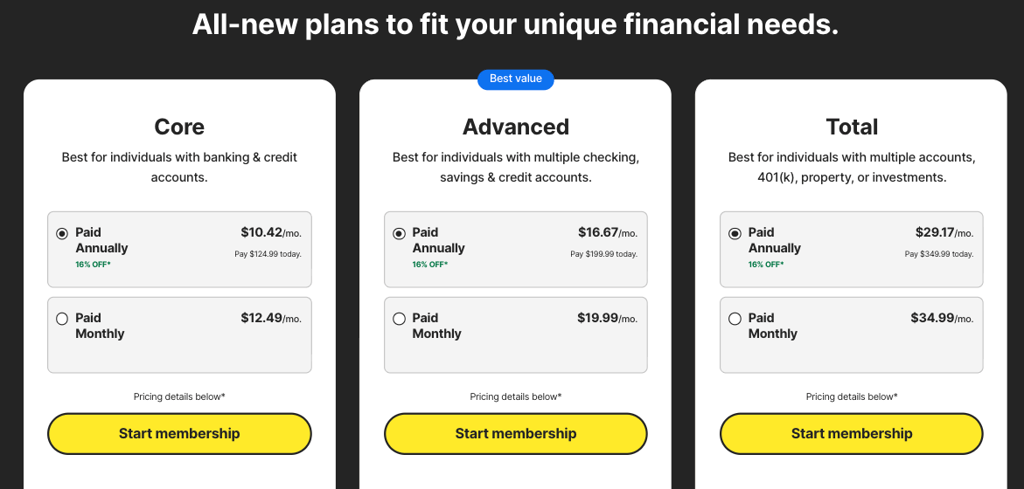
IDShield takes a more straightforward approach, offering individual and family options starting at $14.95/month. Each plan includes identity restoration, dark web monitoring, and privacy management.
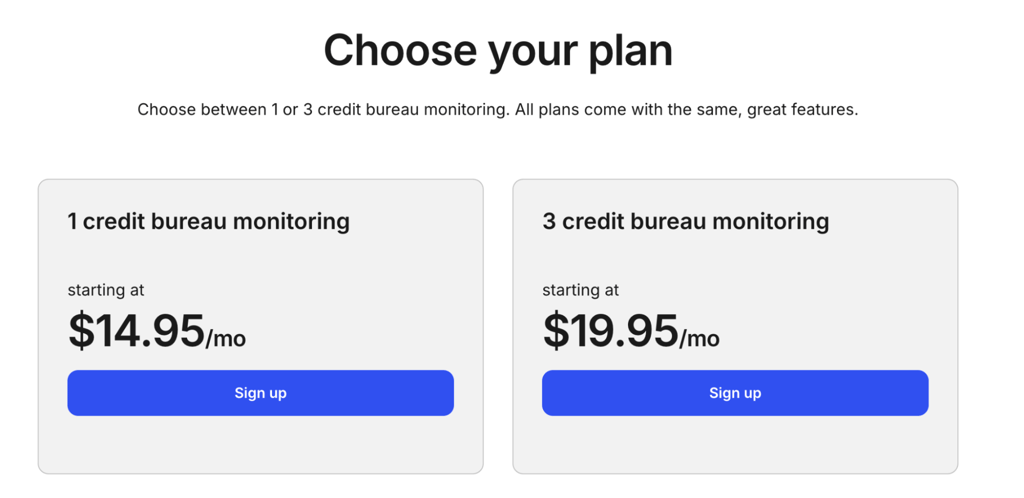
Family plans cover multiple people at a competitive rate, which I found especially useful for those with children. However, IDShield lacks some extras like antivirus software or credit bureau coverage that LifeLock includes in its higher tiers.
Lifelock vs IDShield: features comparison
When it comes to core features, LifeLock delivers a more complete and flexible toolset. On higher-tier plans, it monitors all 3 credit bureaus, offers real-time alerts for various forms of identity misuse, and comes with robust SSN tracking.
LifeLock also expands its monitoring scope beyond basic credit tracking, covering more types of identity misuse signals such as new account openings and suspicious financial behavior patterns.
IDShield also includes core protections like dark web scanning and SSN alerts, but lacks the depth and integration found in LifeLock, especially when it comes to the mobile experience and breadth of data sources monitored.
| Feature | LifeLock | IDShield |
| Credit monitoring | 2–3 bureau credit monitoring (varies by plan) | 1 bureau credit monitoring |
| Dark web scanning | Yes | Yes |
| SSN tracking | Yes (real-time alerts for misuse) | Yes (alerts and reports) |
| Real-time alerts | Yes (comprehensive) | Yes (standard coverage) |
| Mobile app | Modern and integrated with Norton 360 | Clean, user-friendly, but fewer features |
While both services provide essential identity protection features like SSN tracking and dark web monitoring, LifeLock expands further with multi-bureau credit coverage and a more advanced alert system. IDShield delivers straightforward protections well, but its limited depth and fewer app features make it a better fit for users with simpler needs.
IDShield vs LifeLock: identity theft protection comparison
When it comes to preventing and resolving identity theft, LifeLock offers wider threat coverage and more proactive detection tools. Its credit locking, financial account alerts, and 24/7 restoration service give users more confidence that their identity is being guarded. It also connects monitoring signals across financial accounts, credit activity, and personal data exposure to create a more unified detection system.
IDShield does include strong restoration support through licensed investigators and solid monitoring tools, especially with its legal consultation benefits. However, its detection and alert system isn’t as detailed or broad-reaching as LifeLock’s.
| Protection category | LifeLock | IDShield |
| Threat detection | Real-time alerts across multiple data points | SSN alerts, dark web scans |
| Prevention tools | Credit lock, monitoring of multiple accounts | Privacy monitoring, SSN tracking |
| Restoration support | U.S.-based restoration team with 24/7 access | Licensed private investigators |
| Fraud resolution tools | Financial account alerts and 401(k) tracking | Legal consultation included in some plans |
| Dark web surveillance | Yes, with broad keyword monitoring | Yes, solid coverage for leaked data |
IDShield vs LifeLock: insurance coverage
Insurance coverage is one of the most important aspects of any identity theft protection service. It’s your financial safety net when things go wrong – whether it’s stolen funds, legal fees, or lost wages. Both LifeLock and IDShield offer reimbursement policies, but the extent and depth of coverage differ notably.
Let’s explore the differences in the table below.
| Insurance category | LifeLock | IDShield |
| Stolen funds reimbursement | Up to $1M (varies by plan) | Up to $1M |
| Legal fee coverage | Included in most plans | Included in all plans |
| Expense reimbursement | Up to $3M combined total (select plans) | Up to $1M combined |
| Lost wages | Yes | Yes |
| Family/dependent coverage | Yes, with family plan | Yes, with family plan |
| Scam support and recovery | Up to $5,000, Total: up to $10,000, includes 24/7 AI assistant and dedicated recovery guidance | No equivalent feature |
As you can see, LifeLock clearly stands out in total reimbursement potential, offering up to $3M in combined coverage. That includes legal expenses, recovery costs, and stolen funds. This level of coverage makes it especially appealing for users with more assets at stake.
IDShield provides solid coverage, but it caps out at $1M – a figure that still meets the industry standard but might fall short for users seeking maximum protection. On the plus side, IDShield includes legal fee coverage even on lower-tier plans, which adds value.
LifeLock vs IDShield: additional digital defences
Beyond identity monitoring, modern protection services often include extra digital tools to boost overall security. LifeLock leads here by bundling Norton 360 with many of its plans. This includes:
- VPN access for secure browsing on public Wi-Fi
- Antivirus software to block malware and threats
- Password manager for storing and managing login credentials
- Dark web monitoring to scan for compromised data
- Automatic data broker removal to reduce exposure of personal information across people-search sites
All of this is managed from a unified Norton dashboard. It’s a well-integrated package designed for people who want full-spectrum digital protection without juggling multiple apps.
IDShield, by comparison, provides basic privacy features such as social media monitoring and mobile app security tools. However, it lacks the broader extras that LifeLock delivers. No VPN or antivirus is included, and users seeking those capabilities would need to subscribe separately. While IDShield’s approach is straightforward and functional, it doesn’t go far beyond identity coverage.
LifeLock also adds scam support features in its Advanced and Total plans, including 24/7 AI assistance, recovery guidance, and scam reimbursement up to $5,000 on Advanced and $10,000 on Total.
IDShield vs LifeLock: customer service
Strong customer service can make a big difference in identity theft resolution. LifeLock provides 24/7 customer support via phone and online chat, with US-based agents trained in fraud assistance.

This constant availability ensures users can reach help quickly in case of a breach or suspected fraud. During my test, the agent was quick to respond to me. They also provided helpful service, fully explaining the process behind how LifeLock works.
IDShield, while not offering 24/7 access, takes a unique and commendable approach by assigning licensed private investigators to handle identity theft cases directly. These professionals manage each case from start to finish, which helps reduce stress and increases resolution effectiveness.
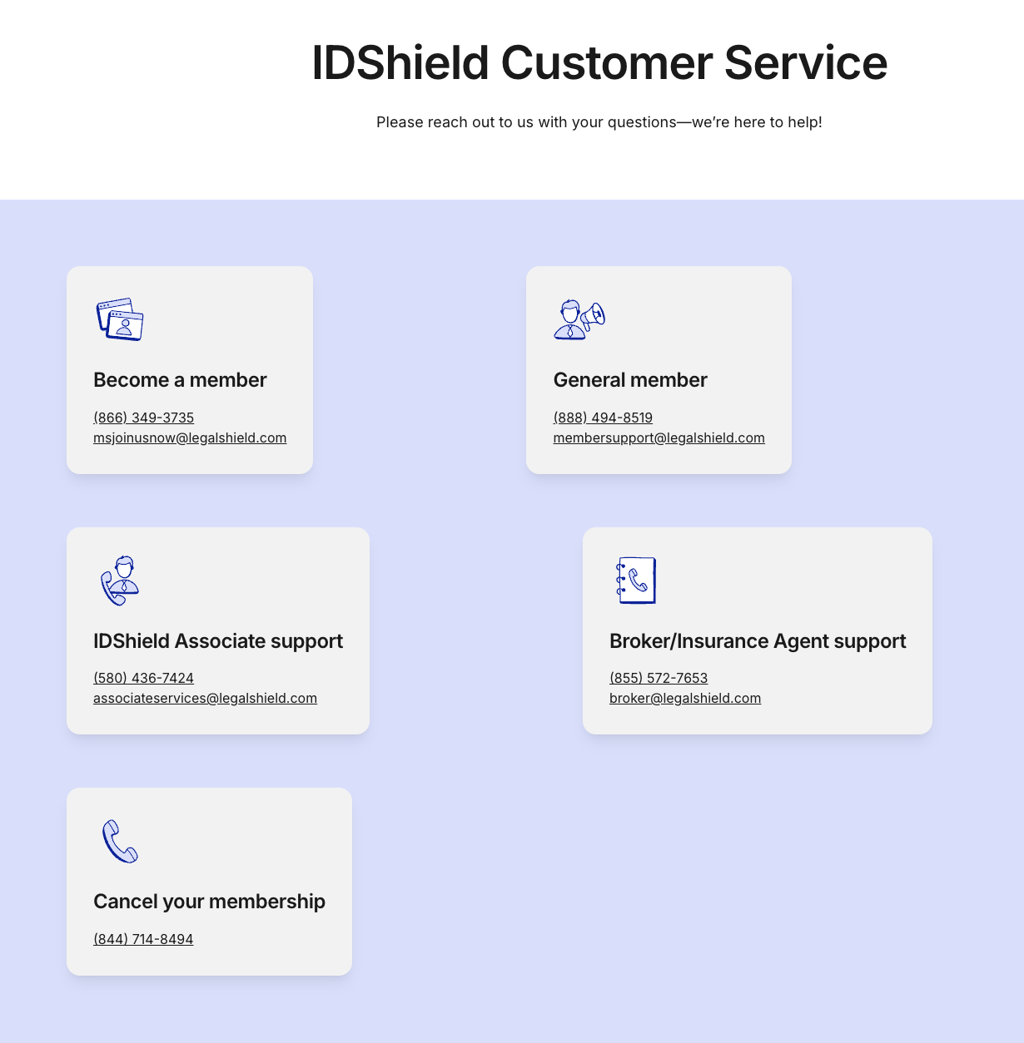
Support is available through phone and email, and the quality of IDShield service is often praised for being thorough and personalized. However, the lack of live chat and limited hours is something I would consider a drawback, since identity theft is an urgent matter that requires immediate help.
LifeLock vs IDShield: user reviews
User experiences with LifeLock and IDShield highlight key strengths and areas where each service could improve.
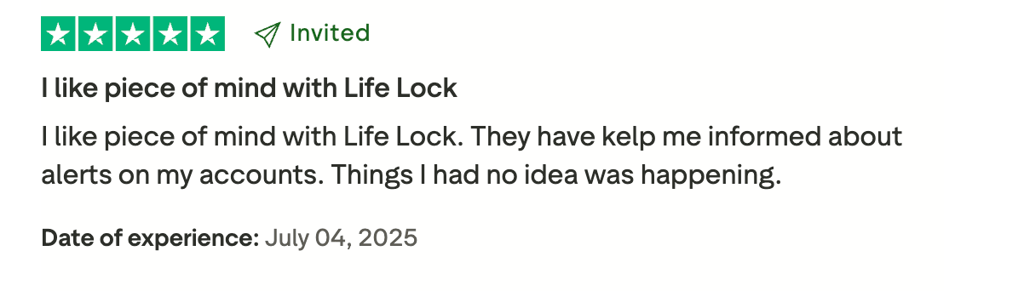
LifeLock tends to receive strong marks for ease of use, fast notifications, and the added bonus of Norton 360 integration. Users on ConsumerAffairs and Trustpilot often praise the platform’s intuitive interface and rapid fraud alerts. However, I’ve seen several reviews pointing out billing issues and aggressive upselling, especially when upgrading plans.
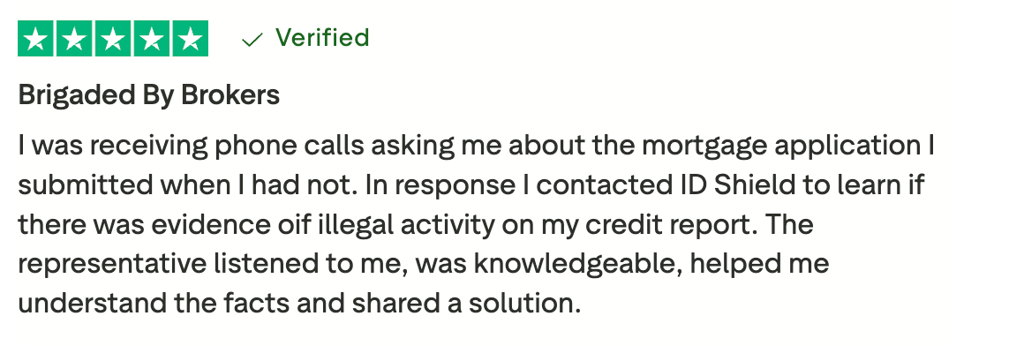
Meanwhile, IDShield is frequently praised for its dedicated restoration support via licensed investigators. Reddit threads mention high satisfaction with how the service handles identity recovery and communicates during cases. That said, some users occasionally express frustration with the app’s simplicity and a lack of advanced features found in competitors.
LifeLock vs IDShield: final verdict
LifeLock is the clear winner in the LifeLock vs IDShield comparison. It has broader feature sets, stronger insurance coverage, and integrated digital protections through Norton 360. As such, it’s the best choice for tech-savvy users, individuals managing multiple financial accounts, and those who want an all-in-one solution.
That said, I must admit that IDShield still holds its ground, especially for families or users who prioritize personal case handling and investigator-led recovery. It’s also a solid pick for those seeking reliable identity protection on a budget.
Whichever service you choose, both offer peace of mind in today’s digital threat landscape. However, if you prefer an all-around solution, LifeLock is the service to go with.
FAQ
Which is more affordable: IDShield or LifeLock?
IDShield is generally more affordable upfront. It offers simple pricing, especially for family plans. However, LifeLock’s entry-level tier can be cheaper with annual discounts, though premium tiers raise the overall cost.
Does LifeLock really cover up to $3 million?
Yes, LifeLock offers up to $3M in identity theft insurance. However, this maximum coverage is only available with the Total plan. Lower tiers offer reduced reimbursement, so be sure to choose the right level for your needs.
Can IDShield protect my whole family under one plan?
Yes, IDShield’s family plans cover you, your spouse, and up to 10 dependents under a single subscription. It’s one of the most flexible family options among identity theft protection services.
Is Norton 360 required to use LifeLock?
No, you can use LifeLock on its own. However, most plans include Norton 360 for added digital security – such as VPN access, antivirus protection, and online privacy tools – which enhances your overall protection. For maximum security, I recommend opting for the full package.