Remove Google Lead Services malware


Are endless pop-ups, intrusive ads, and constant redirects hijacking your browser? Google Lead Services adware is likely behind it, bombarding you with spam to profit scammers. This sneaky hijacker targets PCs and mobiles alike, cluttering your screen while potentially opening doors to worse threats like malware or data theft.
If you're looking to remove Google Lead Services, the process is straightforward. You can use an antivirus for the quickest fix, or go manual if preferred. Follow the tested steps below to eliminate irritating ads and regain smooth, secure browsing.

What is Google Lead Services?
Google Lead Services is a potentially harmful adware that displays unwanted advertisements on your browser. While it’s easy to consider Google Lead Services to be something affiliated with its namesake, it’s actually not related to Google and, in fact, is harmful adware. Malicious players use this deceptive name to run a rogue network of advertising. Although they resemble legitimate ads from Google, they are designed to take advantage in terms of revenue.
However, certain ads may also carry more serious threats as they redirect you to malware-infected or phishing websites. As an adware, Google Lead Services can modify your browser settings. In the process, it displays annoying ads on your web pages.
| Name | Google Lead Services |
| Type | Adware, browser hijacker |
| Device | Windows, macOS, and sometimes Android |
| Symptoms | Unwanted pop-ups, banners, and notifications, unknown browser extensions, slower browser, illegitimate search results, redirection to other sites, and changed browser settings |
| Damage | Can track your online activity, slow down your device, change browser settings, add unwanted extensions, and use up data with pop-ups and redirects |
Examples of similar scams and malware
Examples of similar adware include DollarRevenue, Fireball, and Gator. Users must remember that Google Lead Services is just one of the several adware programs designed to intrude into your system. Along with this, other malware works in a similar way. They redirect your browser to sites you don’t intend to visit, besides displaying unwanted ads.
Like Google Lead Services, they can enter your device with a legitimate tool or come bundled with other apps. You must eliminate them from your device to enjoy a safe online browsing experience. With a defensive stance against these malware and scams, you can maintain a high degree of cyber resilience.
How did Google Lead Services get installed in your system?
Before I explain how to remove Google Lead services, it’s essential to understand how the adware initially got onto your device. Knowing how malware enters your system allows you to enhance your defense and prevent it from impacting your browsing experience.
Here are the common channels through which Google Lead Services can affect your system:
- Cracked or pirated files. You might have downloaded some cracked software or tools on your computer. It could have been a free version of a paid tool or a cracked version of an OS, for example. Such malicious adware often gets into your system through illegitimate software through bundling.
- Malicious links. It’s common for Google Lead Services to get into your PC or phone when you click on malicious links. You might have accidentally clicked on one of these links, which led to the installation of the software on your system.
- Bundling with other apps. Bundling refers to a deceptive method where additional files are installed with another program in the system without the user’s consent. Often, Google Lead Services gets into your PC through bundling when you download software from an unreliable source.
- Visiting harmful sites. If you accidentally landed on a malicious website while browsing, the adware may have been installed on your system. So, make sure your browser is free from vulnerabilities to keep these threats at bay.
How to get rid of Google Lead Services with an antivirus
There’s no denying that the adware turns out to be irritating and potentially harmful. Therefore, you must be wondering how to get rid of Google Lead Services fast. The easiest and most effective way is by using an antivirus app.
Follow the steps below on how to get rid of Google Lead Services with antivirus software in no time:
-
Download a reputable antivirus software with real-time protection features – I recommend TotalAV, now 80% OFF, to protect your device from any type of threat

-
Install the antivirus app on your infected device and log in

-
Make sure real-time protection is enabled

-
Carry out a full system scan, which removes all the malware on your device, including Google Lead Services

How to remove Google Lead Services manually
There's another way to remove Google Lead Services from your system – manually uninstalling it. This is a more complex way requiring more steps, but it can still be effective when done properly. Follow the steps below carefully for manual removal.
1. Remove unwanted browser extensions
If you notice extensions on your browser that you didn't install or give permission for, remove them. Below, you’ll find detailed guides for different browsers.
-
In the top right corner, you will find three dots, and click on them

-
Hover over Extensions, then Manage Extensions, and select it

-
If you find any suspicious extensions, simply remove them

- Click on the three lines at the top right of the browser window
-
Go to Add-ons and themes

-
Now remove any suspicious extensions

2. Reset the browser’s settings
Google Lead Services, like many other adware programs, can modify browser settings. So, sometimes it’s best to reset the entire browser to ensure any threats are removed.
- In the top right corner of your browser, click on the three dots
-
Navigate to Settings and click it

-
Under Settings, go to the menu on the left and click on Reset Settings

-
Next, choose the option Restore settings to their original defaults and click Reset settings

- On the top right-hand side, click on the three dots
-
Next, go to Help and click it

-
Click on More troubleshooting information

-
A new window will open, where you need to choose Refresh Firefox and then confirm it

3. Remove suspicious applications
Adware, such as Google Lead Services, may expose you to other malware, potentially allowing more threats into your device. Here’s how you can remove any suspicious applications on Windows:
- At the bottom left corner of your screen, click on the Windows icon or the search bar
-
Type in Control Panel and click on it from the options that appear

-
In the new window, click on the Uninstall a program button below Programs

-
Search for any suspicious applications, right-click on them, and choose Uninstall
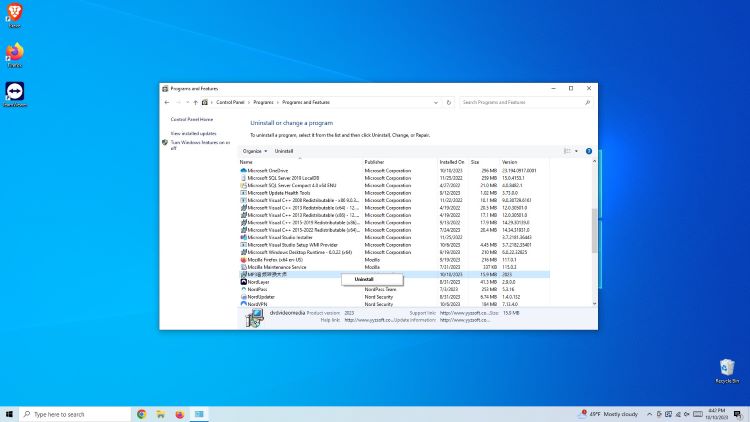
- If you face difficulties when uninstalling suspicious apps, look for Task Manager in the search bar, find the corrupt app with the same name or one that uses a significant amount of CPU, right-click, and choose the force quit option. Now, go back to step 1 and try to uninstall it again
If you still fail to remove any suspicious programs from your device, your best choice is to download a trusted antivirus program, such as TotalAV, and run a full system scan. This will remove any malicious files or software quickly and keep your device secure in the future.
How to protect your device against malware
The following tips will help you secure your device from Google Lead Services and any other types of cyberthreats:
- Keep your system updated. Update your applications and OS regularly to prevent Google Lead Services and other malware from affecting your device.
- Do not download suspicious extensions. Refrain from downloading any suspicious extensions. When you install new extensions, make sure you get them from the official source.
- Download only genuine files. Try not to download pirated or cracked files, like movies or games. This content might potentially come bundled with Google Lead Services or other malware.
- Maintain online hygiene. Don’t click on suspicious links. Keep away from websites containing cracked games, pirated movies, or adult content. Take care when opening suspicious emails, too.
- Carry out data backup. Malware attacks can cause significant disruptions in your system, resulting in the loss of valuable data. So, make sure to back up any valuable data to prevent loss.
- Download a reputable antivirus software. The key to staying protected against online threats and malware is to install a trusted antivirus. Use a reliable antivirus with real-time protection and regularly run full system scans.
Conclusion
Google Lead Services is a type of adware that can be both intrusive and potentially harmful to your online security. To remove it, you can manually uninstall suspicious browser extensions or delete questionable apps from your device. However, using a trusted antivirus solution is the most efficient solution and a hassle-free way to eliminate Google Lead Services.
One of the top antivirus tools for protecting against Google Lead Services and other cyberthreats is TotalAV. It thoroughly scans your system, offers real-time protection, and instantly blocks malicious elements before they can compromise your device.
FAQ
What is Google Lead Services?
Google Lead Services is an adware that displays targeted ads and pop-ups on your browser. These ads can lead to malicious links, exposing your device to cyberthreats.
How to get rid of Google Lead Services?
The best and most effective way to remove Google Lead Services is to install trusted antivirus software, such as TotalAV, enable real-time protection, and run a full system scan. You can also try to remove it manually by uninstalling suspicious browser extensions and apps.
Why did Google Lead Services occur on my device?
There might be a few reasons why Google Lead Services got into your device, including clicking on malicious links, downloading a file bundled together with Google Lead Services adware, or visiting malicious websites.
Can I use an antivirus to detect Google Lead Services?
Yes, you can use a reputable antivirus tool to detect Google Lead Services. I recommend TotalAV for this. It not only removes the malicious program but also protects your device from future threats.