US police receive opioid settlement funds, spend them on Flock cameras
The money was supposed to help communities ravaged by the opioid crisis.
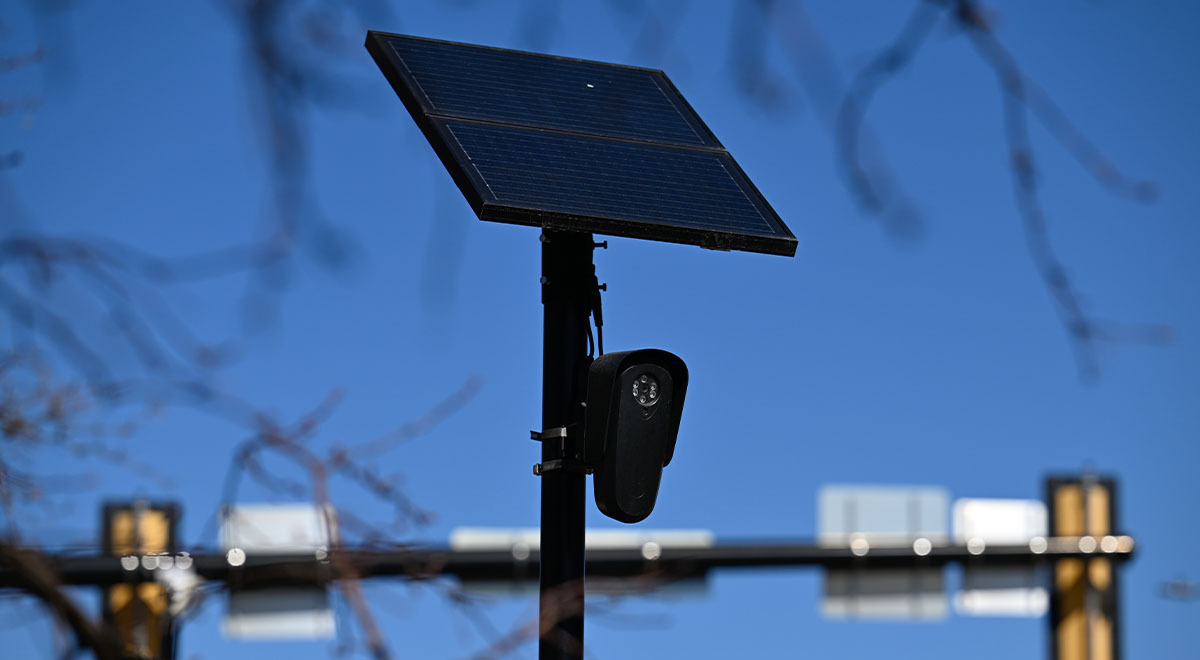
Flock security camera. By Matthew Jonas via Getty Images.

 Follow us
- Mother Jones found 19 agencies in 10 states spent nearly $1 million in opioid funds on license plate readers.
- At least 12 agencies bought Flock cameras; seven others bought similar tools from Motorola, Axon, and Verkada.
- Police argued the cameras could help catch drug traffickers and reduce drug-related crimes.
- Addiction advocates say surveillance spending diverts money from treatment, prevention, and recovery.
Key Takeaways by nexos.ai, reviewed by Cybernews staff.
After big pharma companies agreed to resolve thousands of lawsuits over their role in the opioid crisis, settlement funds were supposed to begin flowing to states and localities. Some did, but a new investigation has found that a number of local law enforcement agencies spent the money on Flock cameras and other smart license plate readers.
In 2022, state and local governments secured more than $50 billion in funds that are supposed to be paid out over 18 years. Manufacturers, distributors, pharmacies – they’re all paying up for their part in fueling the opioid epidemic.
However, an investigation by Mother Jones has found that police departments across the US have somehow gotten their hands on the money and used it to build AI-powered surveillance networks consisting of Flock cameras and other automatic license plate readers (APLRs).
At least 12 sheriffs’ offices and police departments have since 2024 spent their opioid funds on Flock cameras.






Another 7 law enforcement agencies used the money to purchase similar ALPR technology from competitors Motorola, Axon, and Verkada, the report says. In total, 19 agencies in 10 different states spent nearly $1 million in opioid funds on Flock cameras and other ALPRs.
According to Mother Jones, in city council and country commission meetings, police sought to convince local officials that the cameras were a good use of the opioid money because they would help catch drug traffickers and reduce drug-related crimes.
But Robyn Oster, director of policy at the nonprofit Partnership to End Addiction, pointed out that Flock cameras really have little to do with battling addiction – they just scan license plates.
“Whatever funds you’re spending on a camera, you’re not spending on getting someone into treatment,” said Oster.

Check if your data was exposed
Find out if your email and related personal information have appeared in known data breaches.
Additionally, the report claims that the AI-powered surveillance industry, now under fire across the country, has even been encouraging the police to spend opioid money on their technology.
For example, a December blog post from security firm Leonardo – which is pitching smart SignalTrace scanners to police – called opioid settlement funds “a major new opportunity.”

The report quotes a furious 45-year-old father Adam Menear from West Virginia who wants to halt the installation of Flock cameras in the Monongalia Country.
“The new crisis is the fact that the funds that are supposed to go to the public to help build back and reverse the nightmare that we lived through are being appropriated to use artificial intelligence to surveil us,” said Menear.
Alas, even before the current Flock furor, officials all over the US were found sending the opioid money to the police departments rather than prioritizing addiction prevention, recovery, or treatment.
Last year, KFF Health News found that police spent settlement money on Tasers, drones, and firearm silencers. In West Virginia, some counties used the cash to pay off their jail bills.
