Australia considers “first-of-its-kind” smart glasses ban in government buildings
Another headache for Meta.
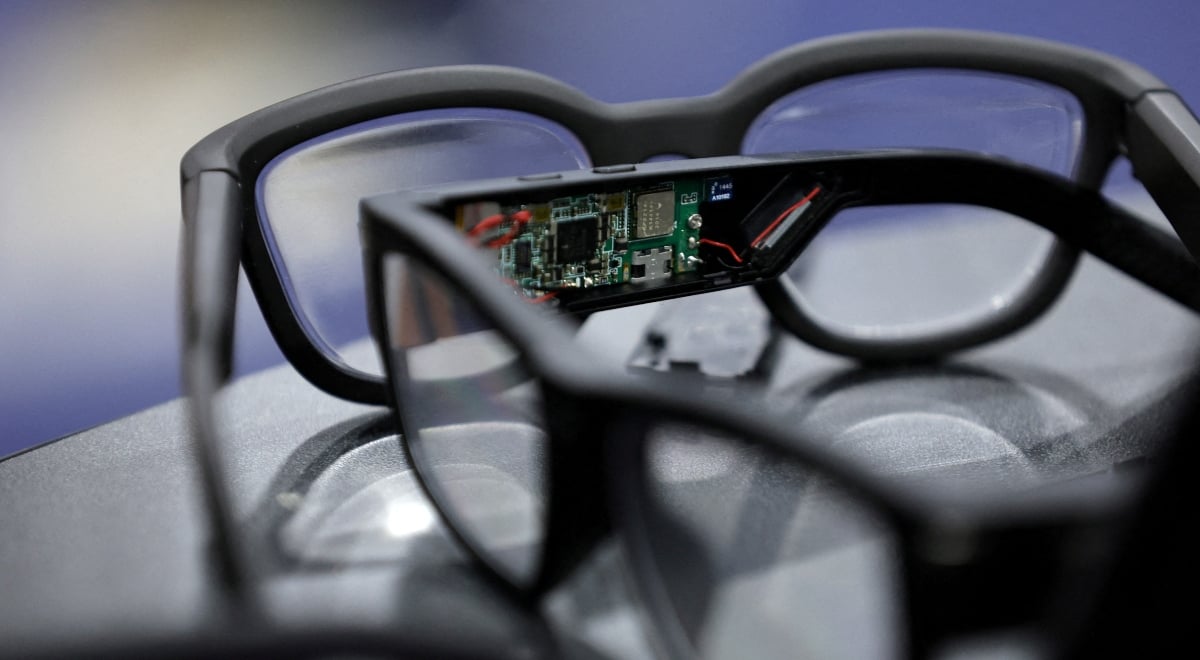
Smart eyewear by Mustard Glasses. Photo by REUTERS/Steve Marcus
 Follow us
- Australia is considering a ban on camera-equipped smart glasses in government workplaces.
- Australia will also discuss workplace AI guidelines with major employers, including Microsoft and Telstra.
- Courts in England and Wales, and schools in Oslo, have already restricted smart glasses use.
Key Takeaways by nexos.ai, reviewed by Cybernews staff.
Australia is considering barring the use of camera-equipped smart glasses in government workplaces due to privacy and security concerns, in what it said could be the first ban of its kind.
The government will separately convene a roundtable of the country's biggest employers, including Microsoft, Commonwealth Bank, telecoms firm Telstra and energy company AGL as it consults on a set of guidelines for AI in the workplace.
Prime Minister Anthony Albanese said it was important that Australia, which last year became the first place in the world to ban social media for teens, put the "right protections in place as technology evolves".
"I am proud that Australia is setting the world standard for digital safety," he said in a statement on September 17th.






While smart glasses have been lauded by some sections of the community such as the visually impaired, there have been growing concerns globally that the devices can be used to covertly record and photograph people without their consent.
Norway's capital Oslo banned the glasses in schools last month, and the federal government is considering regulating their use.
England and Wales have prohibited the use of Meta smart glasses in courts.



Stay updated with our latest stories and follow us on social media
Be the first to discover new stories, ideas, and updates from our team.
Katy Gallagher, Australia's minister for public service, said she had asked the public service commission for advice on whether smart glasses capable of recording should be prohibited in government workplaces.
"Smart glasses can raise legitimate privacy and security concerns, particularly because of their ability to record and capture information, and we need clear and consistent guidance for public servants," she said.
cmsCompanies selling smart glasses are also facing legal challenges from the private sector. A German advocacy group has filed a criminal complaint against Meta and others involved in selling the Meta devices, citing privacy laws.