Ambitious anti-ICE Big Tech boycott has begun in America: will it work?
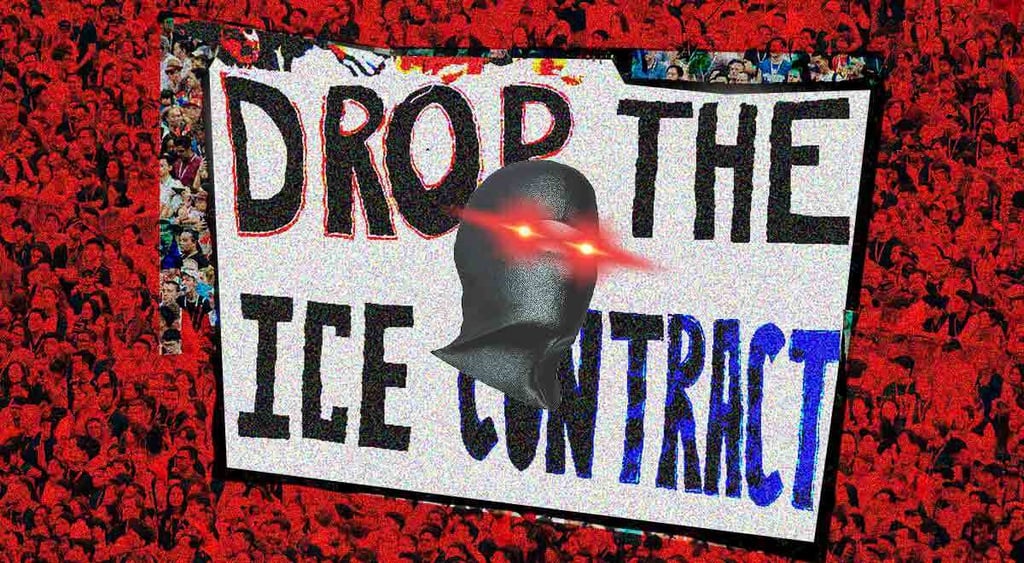
Since the beginning of February, Americans have been called to boycott major Big Tech companies actively or passively supporting President Donald Trump and ICE. Unsubscribe, and the markets will move, organizers say. Even though that’s not necessarily going to happen, pressure might work.

Image by Cybernews.

 Follow us
Since the beginning of February, Americans have been called to boycott major Big Tech companies actively or passively supporting President Donald Trump and ICE. Unsubscribe, and the markets will move, organizers say. Even though that’s not necessarily going to happen, pressure might work.
Did you go to work, school, or shopping on January 30th? If you did, you must have missed the announcement that this was supposed to be the day of the nationwide strike across the US.
Yes, celebrities have posted about the strike on their socials, and yes, the goal of the economic blackout was fair: to protest ICE operations in Minneapolis – where agents killed two people – and elsewhere.
But here’s the problem. Economic boycotts, though a familiar tool of protest, often place the greatest strain on the smallest businesses, especially if the cost of living is rocketing – which it is in the US.
Many small business owners thus faced a dilemma – support the cause and lose precious money, or stay open to customers but feel guilty for not demonstrating solidarity.
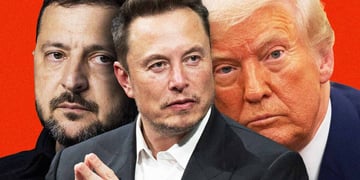


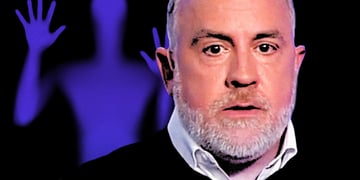







There’s another way, though, according to Scott Galloway, a marketing professor at New York University, famous for his criticism of Big Tech. He’s called for Americans to dedicate the whole month of February to boycotting major tech companies like Meta, Amazon, and Microsoft.
Targeting companies that drive the market
“We’re proposing something quieter and less cinematic than a protest that will run all day on cable TV, but much more disturbing to the Trump administration. A one-day slowdown is irritating. A one-month slump is terrifying,” Galloway wrote in a blog post announcing the boycott.
Most Big Tech CEOs have been quite sympathetic to the Trump administration since his inauguration (which most of them attended), even though they were once almost openly mocking him.
Meta’s Mark Zuckerberg ditched fact-checking and essentially called proper vetting whether something is true or not censorship. Amazon’s Jeff Bezos spent $75 million on the “Melania” film, but felt he needed to fire hundreds of The Washington Post staff.

We could go on, but the point is that the broligarchs surely have the ear of Trump. In return, they’ve been given tax cuts and are getting richer.
Galloway thinks that a targeted boycott – named “Resist and unsubscribe” – could move markets. And that in turn could make both Trump and his powerful friends in Big Tech listen.
“We must recognize that the president is unfazed by citizen outrage, the courts, or the media. He responds to one thing: the market,” said the professor.
“The most potent weapon to resist the administration is a targeted, month-long national economic strike – a coordinated campaign that attacks tech companies and firms enabling ICE – to inflict maximum damage with minimal impact on consumers.”
The initiative’s website names most American tech firms as having outsized influence over the national economy and Trump – Amazon, Apple, Google, Microsoft, Paramount+, Meta, Uber, Netflix, OpenAI, and X.
In sum, Galloway adds, the shortest path to change without hurting consumers is an economic strike targeted at the companies driving the markets and enabling the US President.
The initiative’s website names most American tech firms as having outsized influence over the national economy and Trump – Amazon, Apple, Google, Microsoft, Paramount+, Meta, Uber, Netflix, OpenAI, and X.
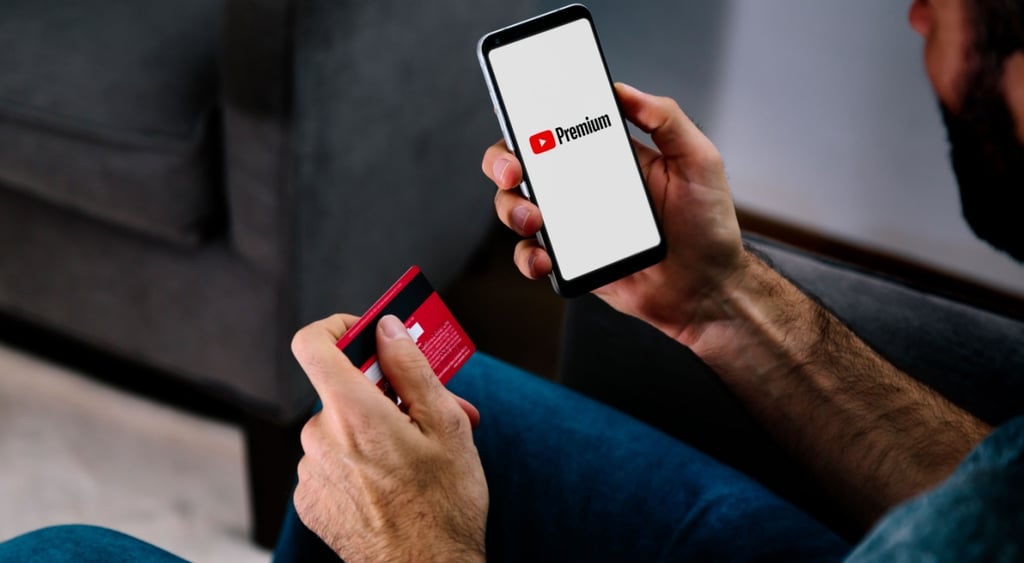
Galloway urges Americans to unsubscribe from most of their services – Prime Video, Audible, Apple TV, YouTube Premium, Microsoft Office, WhatsApp, Uber One, and others.
Other companies are called “active enablers of ICE.” For instance, AT&T awarded $90 million to provide ICE with IT and network projects, and Lowe’s and Home Depot stores are using AI-powered license plate readers in their parking lots and feeding this data into law enforcement surveillance systems accessible to ICE.
Financial impact may be minuscule
“A modest reduction in their companies’ growth could have a substantial impact on valuations priced to perfection,” Galloway argues.
Maybe. Or maybe not, Chris Ferris, senior vice president of digital strategy at Pierpont Communications, retorts.
Ferris admits: yes, Galloway’s idea is a novel approach. But the challenge is that many of these Big Tech companies are already pretty deeply embedded in most people’s lives, especially Amazon.
“The subtext of Galloway's Big Tech boycott is to try to shame these companies. That ultimately may have more influence than any financial impact,”Chris Ferris.
“It may prove unappealing to many Americans to cancel their Amazon Prime subscription. Even if they do cancel their Amazon Prime subscriptions, they may still be reading books on a Kindle, listening to Audible, or asking Alexa about the weather,” said Ferris.
Even if Galloway does persuade a significant number of Americans to cancel their Big Tech subscriptions, these companies are global and earn much of their revenue from outside the US, so it’d take a truly massive movement away from them to impact their behavior.
It’s also a quite simple cost/benefit analysis. Netflix, as an example, has 81 million subscribers in the US, with costs ranging from $7.99 to $24.99 per month.
So if the average monthly price per consumer is $16.49, Netflix is making $1.34 billion per month. And if a million subscribers cancel, the streaming giant will only lose $16.5 million that month.

“So then Netflix would have to decide if they take any action to stand up to or criticize the Trump administration. Could the Trump administration inflict financial pain through lawsuits, or executive action in excess of $16.5 million? If so, Netflix is less likely to make any changes,” Ferris told Cybernews.
He doubts that enough people will “resist and unsubscribe” to make a real financial impact on Big Tech companies. They’re just too big.
“The subtext of Galloway's Big Tech boycott is to try to shame these companies. That ultimately may have more influence than any financial impact,” Ferris added.
When consumers remember they’re also citizens
That’s exactly it, argues Kate O’Neill, a globally renowned tech humanist. She says that a month-long boycott could work – but not by moving markets directly, but by creating a visible through line to policy change and, just as importantly, to civic identity.
“The real value is in the behavioral and psychological alignment it creates. Participating in an action like this – even if it doesn’t dent Big Tech revenues – helps people practice moving between their roles as consumers and citizens,” said O’Neill.
“There’s good evidence from social science that small, visible acts like boycotts can build people’s sense of collective efficacy, which is what ultimately drives sustained political pressure.”
Think about it: when you opt out of a service, you’re “rehearsing resistance.” When you contact your representative about data rights or algorithmic transparency, you’re “connecting that consumer choice to civic engagement.”
In that sense, the boycott isn’t about starving Big Tech so much as about training attention and will: helping people link their digital habits to concrete demands around antitrust enforcement, data governance, and transparency requirements.
"Participating in an action like this – even if it doesn’t dent Big Tech revenues – helps people practice moving between their roles as consumers and citizens,"Kate O'Neill.
If participants use the month of February to both withdraw spending and amplify their voices on those specific reforms, the boycott then becomes the entry point to sustained advocacy.
According to O’Neill, grassroots visibility gives legislators cover to act, and people discover their power extends beyond purchasing decisions.
“Will Big Tech notice the revenue dip? Maybe, maybe not,” said O’Neill, who is the founder of a tech consulting firm KO Insights.
“But the bigger question is whether this moment helps people recognize themselves as agents of change in both economic and political systems – and whether that recognition translates into organized, ongoing pressure.”
Galloway’s campaign comes as tech companies are facing increasing scrutiny over their relationship to the Trump administration’s immigration enforcement operations.
Over 450 tech workers signed a public petition in January, urging their employers to pressure President Trump to scale back Immigration and Customs Enforcement actions.
Unlock more exclusive Cybernews content on YouTube.