From factory mistake to meme mascot – the rise of China’s cry-cry horse
As China gears up to celebrate the Year of the Horse, a design and production error with a stuffed animal has taken the internet by storm.
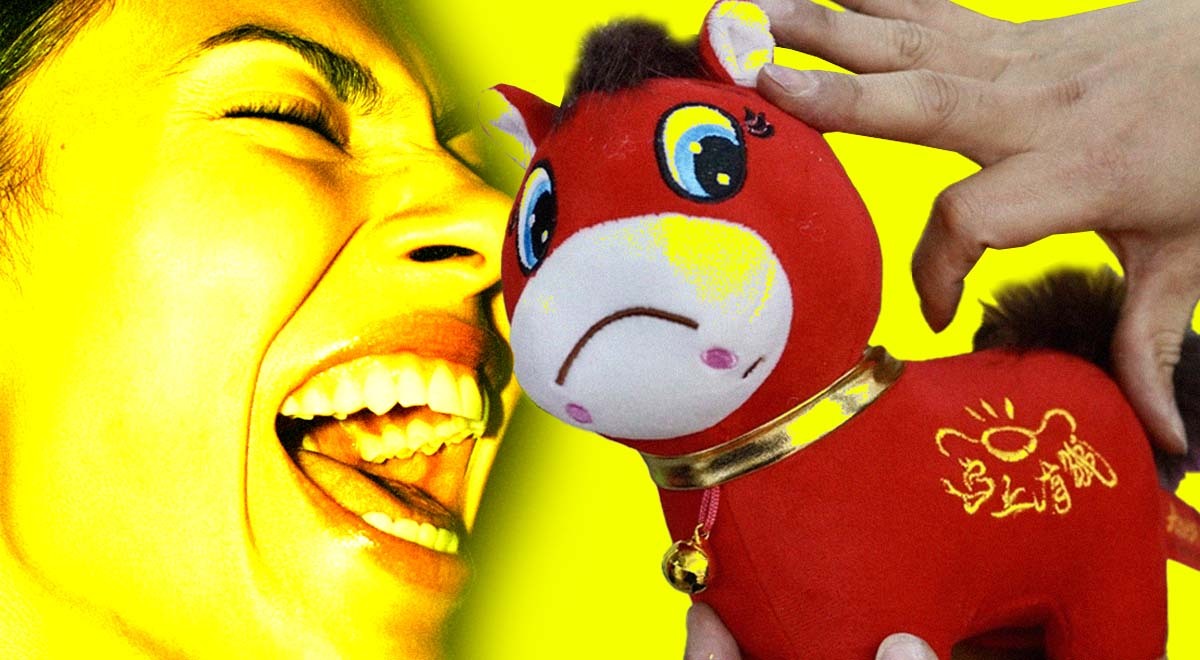
Image by Cybernews

 Follow us
As China gears up to celebrate the Year of the Horse, a design and production error with a stuffed animal has taken the internet by storm.
The horse in question was supposed to have a cute smile, but instead ended up looking sulky, and has trended widely, with many calling it “cry-cry horse” and “the accidental edition.”
What would ordinarily have been a mundane slip of the needle in the day in the life of the manufacturer has instead become the recipient of over 100 million views on the social media site Sina Weibo.
The original recipient of the malformed toy in Hangzhou city contacted the customer service department of the factory and requested a replacement. They posted a photo to social media, with the horse becoming a social media sensation.
“It was simply a worker’s mistake – the mouth was sewn upside down,” downplayed the factory owner, Zhang Huoqing, as explained to local reporters.






The city of Yiwu, a major hub of production for small commodities, will now face unprecedented demand for “the accidental edition,” with one commenter dubbing it a “cyber mouthpiece.”
By this, they mean the cultural expectation of keeping face and not exposing too much emotion, especially under such grueling working conditions, as is customary in the big cities.
The 996 work ethic trend has spread worldwide, with many white-collar professionals suffering burnout after 12-hour day shifts, with only one day off a week.
In fact, in China, there is a euphemism called niú mǎ, which translates to “cattle and horse,” serving as a metaphor for feeling overworked.
And now, rather ironically, the factory in question increased its production lines from two to ten, with staff instructed to reproduce the downhearted expression at breakneck speed. They have also promised a bonus to all the production staff, though surprisingly, the culprit of the original gaffe remains unknown.






“It’s quite adorable and looks really stubborn. For the Year of the Horse, let’s make it a determined and hardworking one,” rallied another commenter.
On a broader level, it just goes to show how customers can shop as active participants, with emotion shaping the supply chain, as was explained by experts of industrial clusters, as reported by The Straits Times.
Unlock more exclusive Cybernews content on YouTube.