The 996 work model backfires: California tech worker takes employer to court
As the 996 work model spreads from China to Silicon Valley, the toll on mental health and legal risk is becoming impossible to ignore. In California, a tech employee brought his employer to court over unpaid overtime and unsafe schedules, which highlighting how extreme work hours can backfire on both employees and companies.
Image by Cybernews.

 Follow us
As the 996 work model spreads from China to Silicon Valley, the toll on mental health is becoming impossible to ignore. In California, a tech employee brought his employer to court over unpaid overtime and unsafe schedules, highlighting how extreme work hours can backfire on both workers and companies.
Employees and private businesses have been creating different narratives around the pros and cons of applying the 996 model – working from 9 a.m. to 9 p.m. six days a week.
While staff claim that a 72-hour work week hurts physical and mental health and does not align with having a healthy work-life balance, private companies call the model financially beneficial and necessary for a startup to kick off.
Although Rome was not built in a day, it seems that some paths trying to reach it lead to the court, and the 996 model is the cause.
Kelsey Szamet is an employment lawyer from Kingsley Szamet Employment Lawyers, who has had hands-on experience defending those trying to escape the 996 work loop.





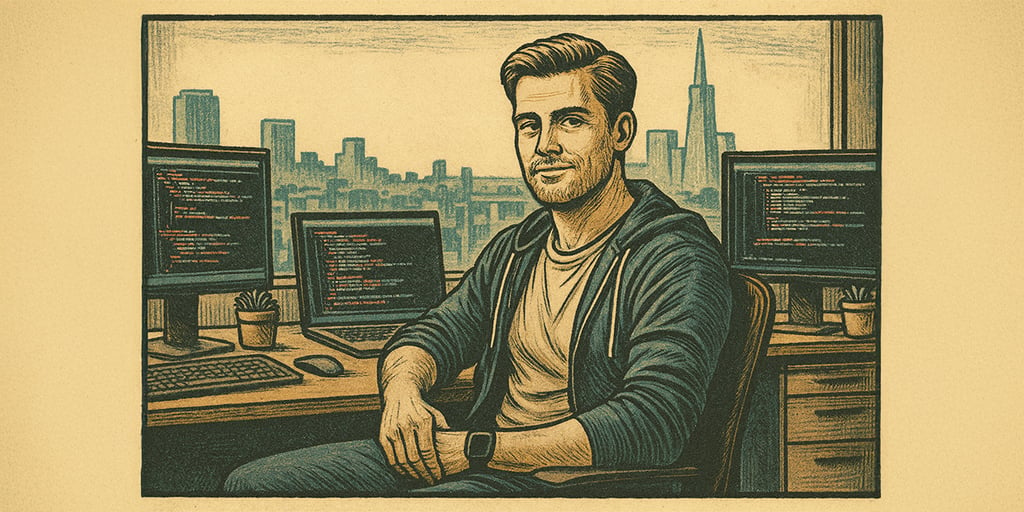
One of her clients was working in tech – the industry where the 996 system is flourishing, especially in Silicon Valley. However, the company where Szamet’s client, whom Cybernews will refer to as Adam, did not initially operate under such a schedule.
“It changed the schedule to keep pace with industry competition,” said Szamet.
Turns out, while trying to compete with the industry, businesses are actually not only taking down their employees' health and talents, but themselves as well.
“We're already observing increased talk of worker well-being, a right to disconnect, and increased enforcement of overtime laws. Even though I don't foresee a massive 996-style schedule ban tomorrow, the legal and social tide is turning in a direction that no longer accepts unchecked overwork as possible or sustainable, both by workers and companies,” said Szamet.
And Adam’s case is a real testimony to that.
What was Adam’s case in court, and what’s the legal issue behind the 996 model?
The 996 work model we know today is not new to the job market – it originally emerged and became popular in China in the 2010s. Chinese startups such as Alibaba, JD.com, and Huawei took advantage of the work model, marketing it as “startup hustle."
The tech industry in the US is the latest to undergo the 996 model experience, although it is much more often referred to as “required overtime,” being "on-call," or an "exhaustion culture." In Adams' story, he never actively decided to join this culture, but it found him anyway.
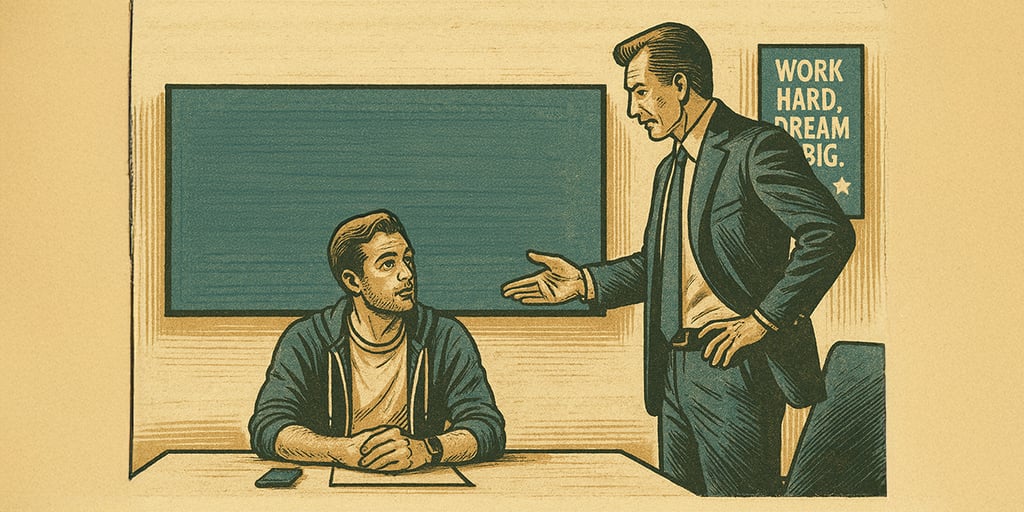
On a likely sunny day in California, Adam’s employer decided to switch to a 72-hour work week. One of the legal issues here is that the firm never updated or renewed contracts to match the 996 schedule.
“The employees were simply told it was the "new reality." The lack of a corresponding payment was extended, and in the American workplace, it triggers warning signs on the front end of wage and hour law,” Szamet recalls.
Just like in many 996 work model cases, the company didn’t hesitate to call this switch “a path to growth and innovation”. For example, when Jack Ma, the founder of Alibaba, was defending the 996 schedule, he claimed to personally think “that being able to work 996 is a huge blessing”, and asked: “How do you achieve the success you want without paying extra effort and time?”






Although a successful business can demand “paying extra effort and time," in some cases they are not likely to pay employees extra for their effort and time.
“The problem is often that employers are in a situation of trying to classify workers as having an "exemption" from overtime provisions, regardless of whether that actually exists or not. Proving misclassification and keeping on actual hours for work are problematic,” she points out.
According to her, another problematic aspect is overcoming a culture of fear, as employees are often afraid to speak up and likely risk being punished or laid off. A good example of this is the story of several engineers from China’s tech industry, who anonymously shared on GitHub’s “996.ICU” project that they stayed silent about exhaustion and health issues because complaining meant being labeled “not dedicated enough”.
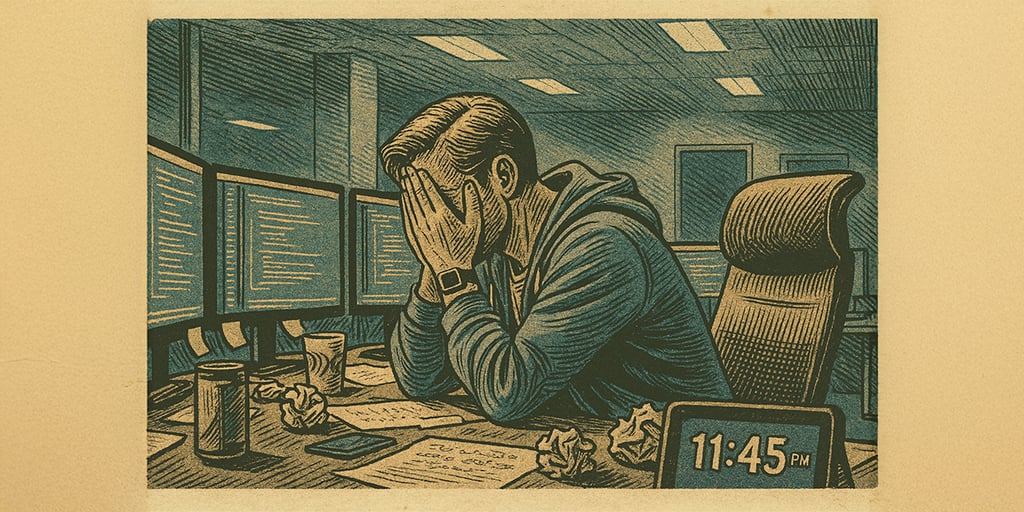
However, Adam was not afraid to seek legal help, although he had already reached a point where the workload became too much and a sense of injustice had sunk in.
“He was initially not fired, but the business was working long hours without overtime pay or meaningful protections. He was looking at legal recourse in unpaid wages, violations of rest and meal break law, and overall, the violation of protections provided by the State of California,” Szamet recalls.
After a while, the case was settled privately, therefore, based on the laws in California, Cybenews cannot go into further detail about it. But according to Szamet, it showed very clearly that companies are in a risky position when they push employees to extreme work schedules without any safeguards.
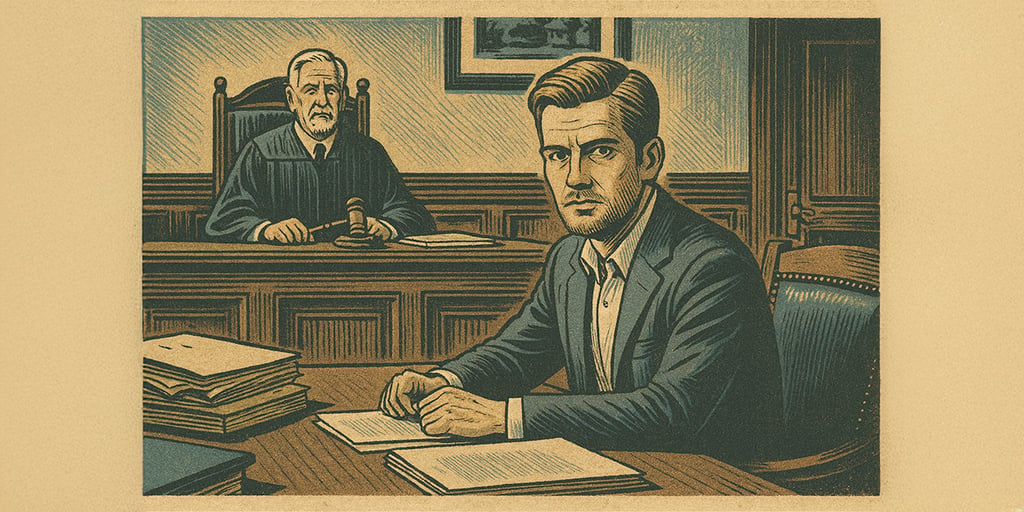
Top 3 reasons why Adam’s 996 case is the textbook
Even though each employee has their own individual story to share, the principle in how the 996 schedule affects people is more or less the same. Here are the key aspects that help recognise it.
- Burnout killed any innovation and creativity
One of the biggest myths of the 996 model is that it fuels creativity. Adam’s story showed otherwise.
“My client says that 996 has not been a spur to creativity. It has, rather, been a hindrance. Innovation needs rest, equilibrium, and mental clarity. None of these can be achieved under such harsh schedules. What I saw instead were higher turnover rates, more incidents of health problems, and, finally, a lower output,” Szamet noted.
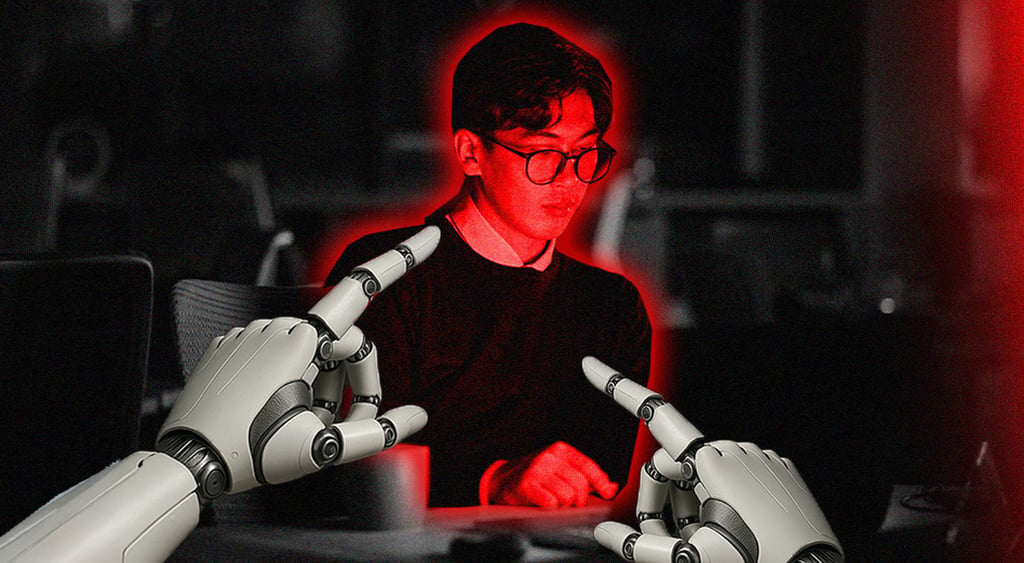
China had their own Adam – Zeng Meng. He also found himself trapped in a grueling 996 schedule at Huawei, where work consumed every aspect of his life.
“I had no time for recreation. Basically all I did was keep working mindlessly,” he said to ABC news. Like Adam, Zeng’s creativity and mental focus suffered, showing that relentless overwork can crush innovation and well-being, no matter the country or company.
- Increased employee turnover and mistakes
At first glance, Adam’s employer did justify the switch to 996 as a way to boost efficiency. But what followed was the opposite – Adam’s colleagues recounted a spike in errors, rushed work, and general decline in morale.
“Coworkers were checked out, job turnover was on the increase, and recruitment expenses cannibalized any efficiency the plan was intended to gain,” Szamet explained.
And this is not unique to recent 996 work model cases in the tech industry in the US. Way back in 2019, JD.com faced public backlash after employees stormed online forums with stories of burnout and resignations. At the time, the company’s recruitment costs skyrocketed as fresh graduates replaced those leaving which proved the company’s claims about increased productivity to be wrong.
- Legal issues hidden under “innovation”
996 schedule companies often present longer hours as an enabler of faster scaling in a culture of shared sacrifice. However, in practice, it can open companies up to serious legal vulnerabilities.
“Management often presented the model as a path to growth and innovation. They believed longer hours meant faster scaling, better productivity, and improved culture through shared sacrifice. In reality, any short-term gains were overshadowed by exhaustion, stress, and mistakes made from fatigue,” said Szamet.
Just like in the case of Pinduoduo – one of China’s largest e-commerce platforms. Its management was promoting the 996 work model as a necessity for growth, but in reality, it faced multiple complaints about unpaid overtime and burnout, resulting in negative publicity and scrutiny from Chinese labor regulators.
Unlock more exclusive Cybernews content on YouTube.