Phia cookie stuffing scandal: What does it mean for Bill Gates’s daughter?
Cheating a way to a fortune.
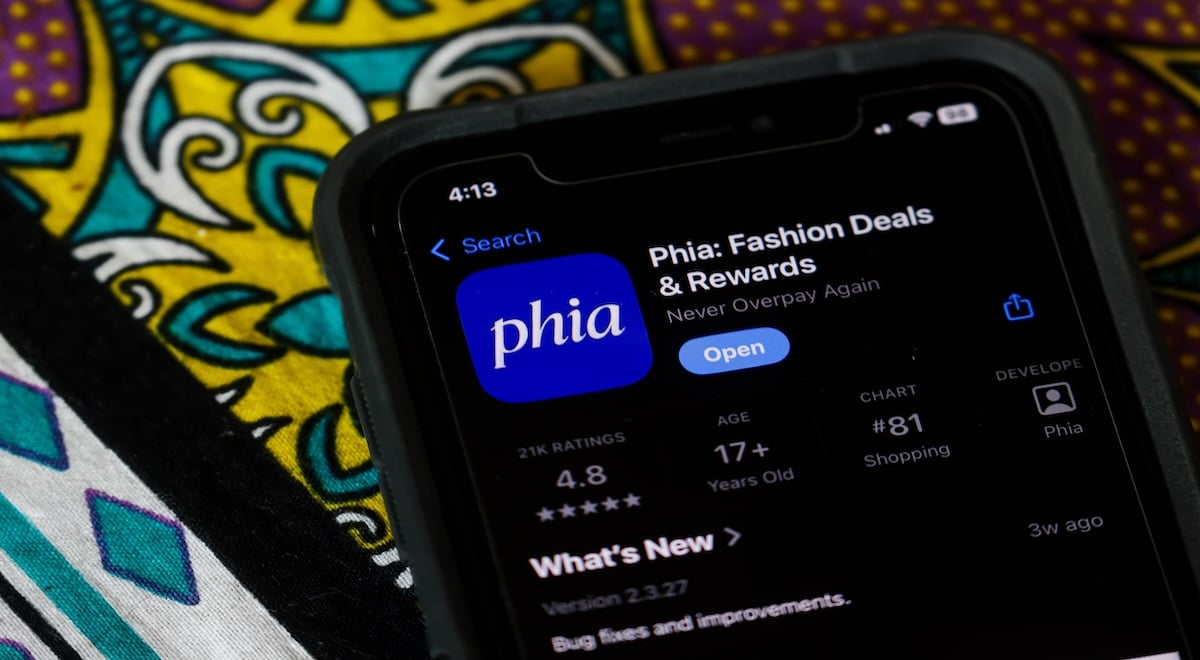
Image by Bloomberg | Getty Images

 Follow us
- Phia, founded by Phoebe Gates and Sophia Kianni, faces allegations of deceptive affiliate marketing through cookie stuffing.
- Bloomberg reported the practice may have lasted seven months, despite Phia saying it learned of it on July 7th.
- Phia says it removed the features, is reviewing transactions, and is reversing payments linked to misattribution.
- The allegations could threaten Phia’s partnerships, revenue, credibility, and potential legal exposure.
Key Takeaways by nexos.ai, reviewed by Cybernews staff.
Phia, the AI-powered fashion shopping app founded by Phoebe Gates and Sophia Kianni, has been accused of deceptive affiliate marketing practices.
The company is suspected of “cookie stuffing,” the malicious practice of placing cookies in users’ web browsers without their knowledge. The goal is typically to trick the retailer into thinking it brought traffic and earn commissions for it.
Phia is suspected of engaging in this fraudulent activity for at least the past 7 months, according to Bloomberg, despite the company stating that it had only become aware of it “within the last 24 hours” on July 8th.
Its browser extension is supposed to help shoppers find discount codes to use at checkout. This way, the company also earns commissions from retailers.






But the browser extension would also count and report the sale even when the service wasn’t actually used.

This was first uncovered in July of 2026. The company said it was due to a software bug.
However, it was later revealed via Slack messages that the co-founders knew it was intentional, with the activity dating back to December.
While the company’s commercial partners ban such practices, the conversations showed that they involved purchases made on sites such as Nike, Nordstrom, and Gap.
Phia reacts to the situation
According to Phia’s spokesperson, the features were removed once the company first found out about them on July 7th.
They also added that the company is reviewing every transaction and has been reversing those with brand partners that were due to “misattribution.”
Cookie stuffing might be a lucrative strategy, as Bloomberg’s report reveals, Phia’s average daily revenue has fallen from around $80,000 to between $10,000 and $28,000.
The numbers were taken from a Slack message posted by a Phia data scientist on July 7th.
The company’s spokesperson stated that these numbers were incorrect and explained that this revenue decline was also due to Phia disabling not only cookie-stuffing features but also other monetization tools.



Stay updated with our latest stories and follow us on social media
Be the first to discover new stories, ideas, and updates from our team.
What happens next?
Cookie stuffing, also known as “cookie dropping,” is considered an affiliate marketing fraud and carries financial and legal consequences.
Being caught for cookie stuffing means the brand gets banned by affiliate networks and e-commerce platforms, must return payments that weren’t actually earned, as already seen in Phia’s case, and may lose partnerships and credibility.
From a legal standpoint, cookie stuffing in the US is treated as a form of online fraud, which can result in financial penalties and mandatory payback, or even a maximum penalty of 20 years in federal prison.
The possibility of Phia receiving such a penalty sparked an online discussion with many not believing that the two co-founders would receive the maximum sentence.
“She won’t serve a day,” wrote one netizen.
“Behind every great fortune lies a great crime,” added another Redditor about the company that was officially launched in 2025.
Bill Gates’ daughter Phoebe Gates, 23, has been accused of “cookie stuffing” at her multibillion-dollar startup, Phia – an illicit practice that comes with a maximum penalty of 20 years in federal prison, according to reports.
by u/New_Wishbone_9691 in TechGawker
Some users couldn’t help but point out that the company may not be held to the same standards, given that one of its co-owners is Phoebe Gates, the daughter of Bill Gates, the co-founder of Microsoft.
“Are we still pretending billionaires are held accountable?” shared a Redditor.
“He probably would have let her run one of his charities and actually help people, but instead she chose to try to get rich? By cheating the system,” added another user.