"EU-wide" social media ban for under 16s – if Parliament gets its way
European Parliamentary Members (MPEs) on Wednesday are proposing an across-the-board ban on social media for EU kids under 16, aiming to rein in the harmful effects shown on children and teens.

Image by Cybernews

 Follow us
European Parliamentary Members (MPEs) on Wednesday passed a resolution calling for an across-the-board ban on social media for EU kids under 16, aiming to rein in the harmful effects shown in children and teens.
The comprehensive proposal, with 483 votes in favor, 92 no votes, and 86 abstentions, would harmonize minimum age restrictions for children's access to various digital platforms across EU member states.
These platforms include social media, video-sharing platforms, and AI companions, backing the over 90% of Europeans who believe urgent action is needed to protect children from digital harms.
Research has shown that 25% of kids in Europe, ages 13 to 17, display “problematic” or "dysfunctional" smartphone use, such as compulsively checking their devices every hour.
A complete ban would be imposed on children under 12, with parental consent required to bypass the age restrictions for kids ages 13 to 15, the MPEs say.



EU lawmakers supporting the non-legislative adoption cite “deep concern” over the physical and mental health risks minors face online, with some of the most popular apps being used by kids in Europe, said to include Discord, Fortnite, Instagram, Roblox, Snapchat, TikTok, Twitch, and YouTube.
The MPEs argue the “manipulative strategies” used in kid-centric digital platforms increase addiction and are detrimental to children’s ability to concentrate and engage healthily with online content.”
Australia, Denmark lead the fight
On November 7th, Denmark became the first EU nation to ban social media for kids under 15, with limited parental override options for teens 13+ due to “unprecedented youth anxiety and depression” in the Nordic nation.
During the debate, Denmark MPE Christel Schaldemose, who presented the proposal to Parliament, told members, “Together with a strong, consistent enforcement of the Digital Services Act would dramatically raise the level of protection for children.”
“We are finally drawing a line. We are saying clearly to platforms: your services are not designed for children. And the experiment ends here,” she said.
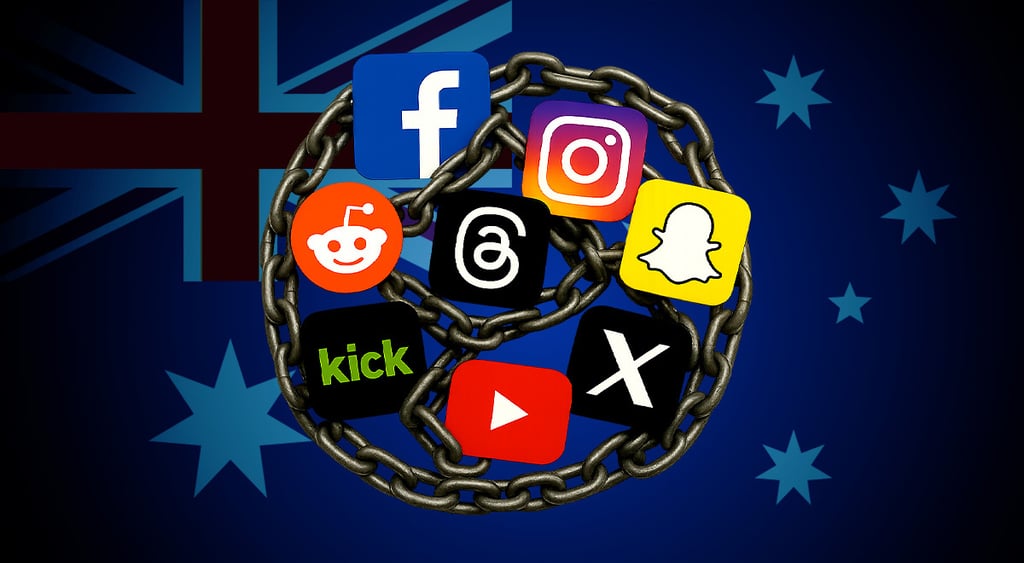
The move follows a similar ban imposed by the Australian government in 2024, set to take effect next month, restricting social media access for children under 16.
Still, not everyone agrees that outright bans can be effective.
Earlier on Wednesday, the Digital Freedom Project, a free speech advocacy group, filed a motion in Australia’s High Court to block the law – all on behalf of two 15-year-olds – arguing the ban "robs" young Australians of their freedom of political communication, an implied right in the constitution.
And a 2024 report by Australia’s eSafety Commission found that 80% of kids under 13 regularly bypass platform age restrictions to use social media.
Critics have said the real issue is forcing social media companies to build age verification checks into their sites.
Other EU nations, such as Greece, Italy, and Spain, have voiced support for age verification, while France and Norway have recently said they favor age-based bans.
To address those concerns and other issues, the Parliamentary report also suggests an additional half-dozen new regulations that would require big tech companies, such as Meta (Facebook, Instagram), Alphabet (YouTube), and Amazon (Twitch), to default-disable addictive features like infinite scrolling and autoplay.






The MPEs also propose placing restrictions on persuasive technologies as part of the upcoming Digital Fairness Act, including age-based algorithms, targeted ads, influencer marketing, and addictive designs, as well as prohibiting randomized gamification, loot boxes, and kidfluencer incentives.
The resolution further includes initiatives to rein in generative AI tools such as deepfakes and nudity apps offered to kids.
Social media sites that do not comply with the rules would be banned from operating within the EU, the report says.
Unlock more exclusive Cybernews content on YouTube.