Denmark officially bans social media for kids 15 and under
Denmark’s government has agreed to ban the use of social media for children under the age of 15, but will still allow access to “certain” platforms with parental consent, the Danish government announced on Friday.

Image by Cybernews.

 Follow us
Denmark’s government has agreed to ban the use of social media for children under the age of 15, but will still allow access to “certain” platforms with parental consent, the Danish government announced on Friday.
- First EU nation bans social media for kids under 15, with limited parental override options for teens 13+.
- Denmark’s Prime Minister cites unprecedented youth anxiety and depression, and exposure to harmful content as a driving force.
- Denmark's bold move could likely trigger an EU-wide domino effect, with several nations already signaling similar restrictions.
Key Takeaways by nexos.ai, reviewed by Cybernews staff.
Under the new rules, parents can grant their children aged 13 and older access to specific platforms. Although no date has been set for when any of the new regulations will take effect, it will likely take months to move through the Danish Parliament.
Lawmakers have also not provided a list of which social media platforms will be part of the new restrictions. However, the most popular apps used by EU kids include Discord, Fortnite, Instagram, Roblox, Snapchat, TikTok, Twitch, and YouTube.
The move follows Prime Minister Mette Frederiksen's opening speech to Parliament last month, calling on lawmakers to pass social media restrictions for children over concerns about youth mental health.





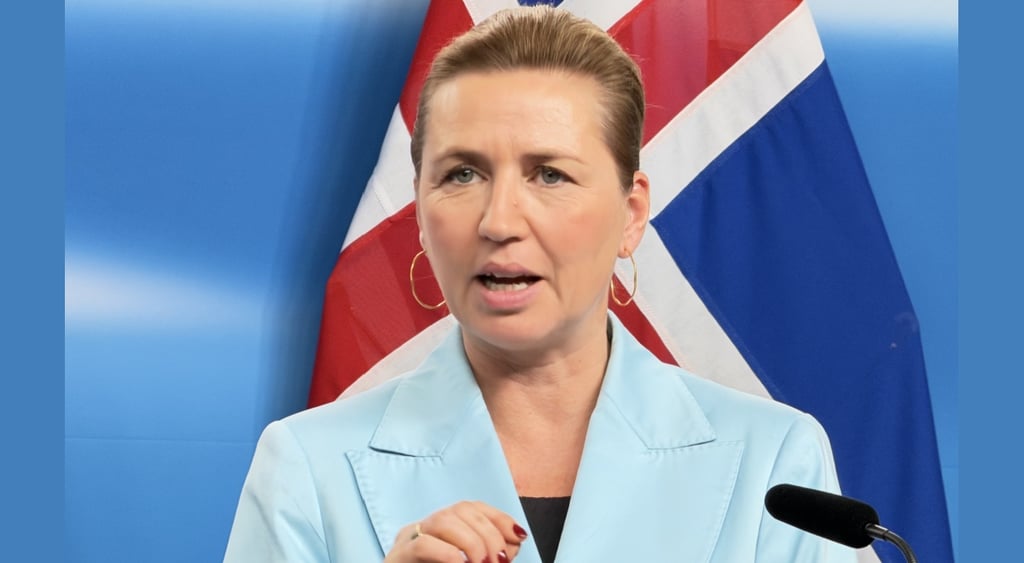
Frederiksen said that mobile phones and social networks were “stealing our children’s time.”
During her speech, she also cited data showing that never before have so many children and young people suffered from anxiety and depression.
The Prime Minister noted that many children also struggle with reading and concentration. "On screens, they see things no child or young person should see,” she said.
Have thoughts about this topic? Others do, too. Join them in the discussion.
Children in Nordic countries spend an average of 2 hours and 40 minutes per day on social media, according to a February analysis by the Danish Competition and Consumer Authority.
In support of the issue, 50,000 Danish citizens signed an initiative calling for a ban on TikTok, Snapchat, and Instagram last year.
Other EU nations expected to follow suit
The move follows a similar ban imposed by the Australian government in 2024, which now restricts social media for children under the age of 16.
Still, critics argue that complete bans are ineffective, citing the real issue comes down to forcing social media companies to install verified age checks on their platforms.
Many EU nations, such as Greece, Italy, and Spain, have voiced support for verified age checks, while France and Norway have said they are leaning toward outright age-dependent bans.

And in the US, more than half a dozen states, including California, Ohio, and Utah, have proposed various age-related social media use laws for children and pre-teens, now being argued through the courts, meaning they are not guaranteed to pass constitutional muster.
As a workaround, many states, including Virginia, Texas, Maryland, and soon New York, have enacted parental consent measures, achieving much greater success.
In 2024, Florida became one of the few states to outright ban social media use for those 13 and under, while, for example, Connecticut passed legislation in 2023 requiring parental consent for those under 18, and starting in 2026, will restrict certain access during overnight hours.






Most social media platforms have their own age limits (you can check out a full list here) and rely on self-declared age verification, which experts say can be easily bypassed. Furthermore, critics say most children already have accounts set up before they reach the age of 13.
Even Frederiksen acknowledges that 94% of Danish seventh-graders, before their 13th birthday, report to have already created their own social media profile.
Earlier this year, Australia’s eSafety Commission found 80% of kids under 13 regularly bypassed age restriction policies on social media platforms like YouTube, TikTok, and Snapchat. More than a third of those kids also reported having their own account, most often set up with their parents' help.
Unlock more exclusive Cybernews content on YouTube.