Here’s a faster way to get rid of Flock cameras in your area
Activists in Utah believe state transportation managers could quickly unseal the deal.
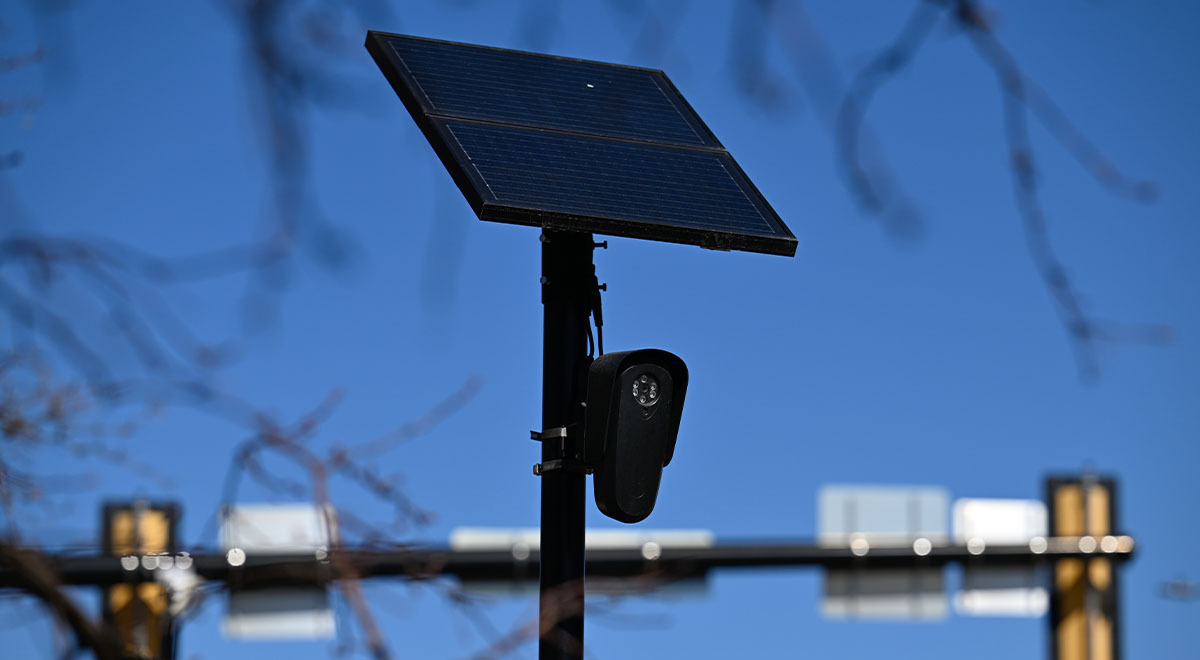
Flock security camera. By Matthew Jonas via Getty Images.

 Follow us
- Utah Civic Compact wants UDOT to end Flock camera permits by citing lost public support.
- The group says UDOT’s contract allows termination when residents reject company activities.
- UDOT is reviewing whether cameras have proper permits, not whether the public supports them.
- Flock has more than 120,000 US cameras, and police chiefs say they help solve major crimes.
Key Takeaways by nexos.ai, reviewed by Cybernews staff.
Getting rid of Flock cameras isn’t easy. You can break or block them, but the company will install them again – and you might get criminal charges thrown at you. A group of activists in Utah is proposing another way.
Amidst concerns over Big Brother-type surveillance, unwanted data sharing, and reports of cops abusing Flock cameras, cities and towns all over the country are ending – or trying to end – their relationship with the company.
The process isn’t easy or fast because you have to lobby your local lawmakers for tighter restrictions until they finally relent.
Plus, it’s costly to cancel a Flock contract mid-term as it can incur heavy early-termination penalties, so you have to patiently wait for a vote. Typically, it takes 3-6 months to remove the automated license plate readers from a community.






However, it’s possible to fast-track the whole operation, a nonprofit in Utah, called Utah Civic Compact, says.
In the Utah Department of Transportation’s (UDOT’s) contract with Flock, the group found a clause allowing the agency to end the agreement if it finds that the community no longer supports what Flock is doing.
On their website, Utah Civic Compact claims: “UDOT's permit agreement with surveillance companies says UDOT may terminate it if ‘UDOT determines that the public does not support the Company’s activities.’”
According to the nonprofit, the people of Utah have clearly shown they disapprove of the technology. Just like elsewhere in the country, the Flock cameras in Utah have, in some cases, been blocked or vandalized.
They do not trust this new technology, and they do not feel safe when they are being surveilled, cataloged, and surveilled and and watched,said Clark Dice, a spokesperson for Utah Civic Compact, at a news conference.
As Dice explained, UDOT is a third party that grants permits for cameras along state highways at the request of law enforcement agencies. But it could help restore trust in the government, which has been damaged by the misuse of the cameras.
According to UDOT’s spokesperson, the agency is already looking over the Flock contract – but is focusing on whether the cameras have proper permits. That’s because the department only considers matters of equipment, highway safety, and paperwork.
In mid-September, Utah police chiefs urged state lawmakers to allow them to keep Flock cameras, which they say help solve major crimes.
However, Utah Governor Spencer Cox admitted in August that he thought Americans “should be deeply concerned” about police combing through the data for personal reasons.
Flock has more than 120,000 cameras installed across the US. More cities and communities are rushing to terminate contracts with the company, but Flock’s spokesperson recently noted that, so far in 2026, new city partnerships have outpaced nonrenewals by approximately 10 to 1.