US cities cancel Flock contracts at record pace in August
On average, the country sees 3.3 terminated Flock contracts per day.
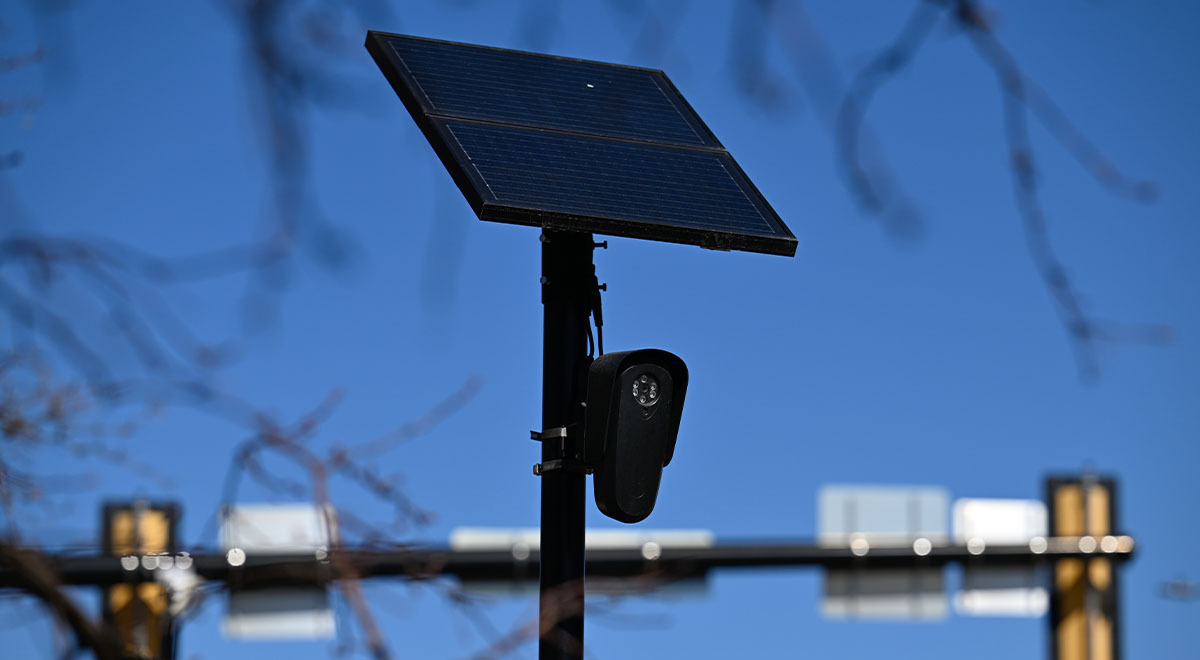
Flock security camera. By Matthew Jonas via Getty Images.

 Follow us
- Secure Justice says 214 cities and towns have dropped Flock contracts since 2021.
- Ninety localities canceled in August 2026 alone, a fourfold increase from July.
- Flock faces scrutiny over privacy, data sharing, and alleged police misuse of its camera system.
- Flock plans shorter data retention, case numbers for searches, and audits to flag unusual activity.
Key Takeaways by nexos.ai, reviewed by Cybernews staff.
Anti-Flock protests have turned into countrywide action in August. New data compiled by Secure Justice, a Bay Area anti-surveillance advocacy group, shows that communities across the US have been cancelling contracts with the AI-powered smart camera maker at record pace.
Amidst concerns over Big Brother-type surveillance, unwanted data sharing, and reports of cops abusing the Flock cameras, cities and towns all over the country are now ending their relationship with the company.
The acceleration of these terminations is impressive. According to Secure Justice, 214 cities and towns have dropped Flock since 2021, and, of those, 90 cancelled their deal with Flock in August 2026 alone – that’s a fourfold increase compared to July.
Since publication, we've confirmed more Flock terminations. On average, 3.3 terminated contracts per day, in August. arstechnica.com/tech-policy/...
undefined Secure Justice (@securejustice.bsky.social) August 29, 2026 at 10:46 AM
[image or embed]






During the last 30 days, an average of 3 localities – undoubtedly pressured by concerned citizens during heated town hall meetings – per day have halted contracts with Flock.
The Flock automatic license plate recognition (ALPR) system, whose 120,000 cameras are installed in 49 states, has come under intense scrutiny due to privacy concerns and growing cases of misuse.
A recent Washington Post investigation revealed that at least 46 officers were accused of using the Flock system to stalk women whom they are interested in romantically.
That’s why the contract terminations don’t surprise Brian Hofer, the head of Secure Justice. He told Ars Technica: “At that speed, if it goes another year, we’re talking serious money.”

Check if your data was exposed
Find out if your email and related personal information have appeared in known data breaches.
Flock, though, still has more than 120,000 cameras installed across the country. And the company doesn’t seem overly concerned, with a spokesperson commenting that so far in 2026, new city partnerships have outpaced nonrenewals by approximately 10 to 1.
Nevertheless, Flock CEO Garret Langley had to react to the wave of criticism, writing in a recent blog post that the firm would reduce data retention defaults from 30 days down to 7 days.
Plus, law enforcement users must now enter an active case number before running any license plate search.
Additionally, every police client must implement an audit tool designed to flag unusual search activity. When irregular behavior is detected, the user’s account will be locked out pending an internal review.
We are not perfect, so we will keep listening, improving, and building a better standard for public safety technology together,Flock CEO Garret Langley wrote.
Activists aren’t exactly convinced. Secure Justice did acknowledge that some of Flock’s announced changes are real improvements, but said the problem was nowhere near being solved.
“Buried underneath the shiny new privacy language is the same basic problem Flock has always had: the company still wants you to trust Flock and its police customers to police themselves,” the organization pointed out on its blog.
