Congressman proposes bill to ensure gamers actually own games they buy
"When you pay for a game, you should own it."
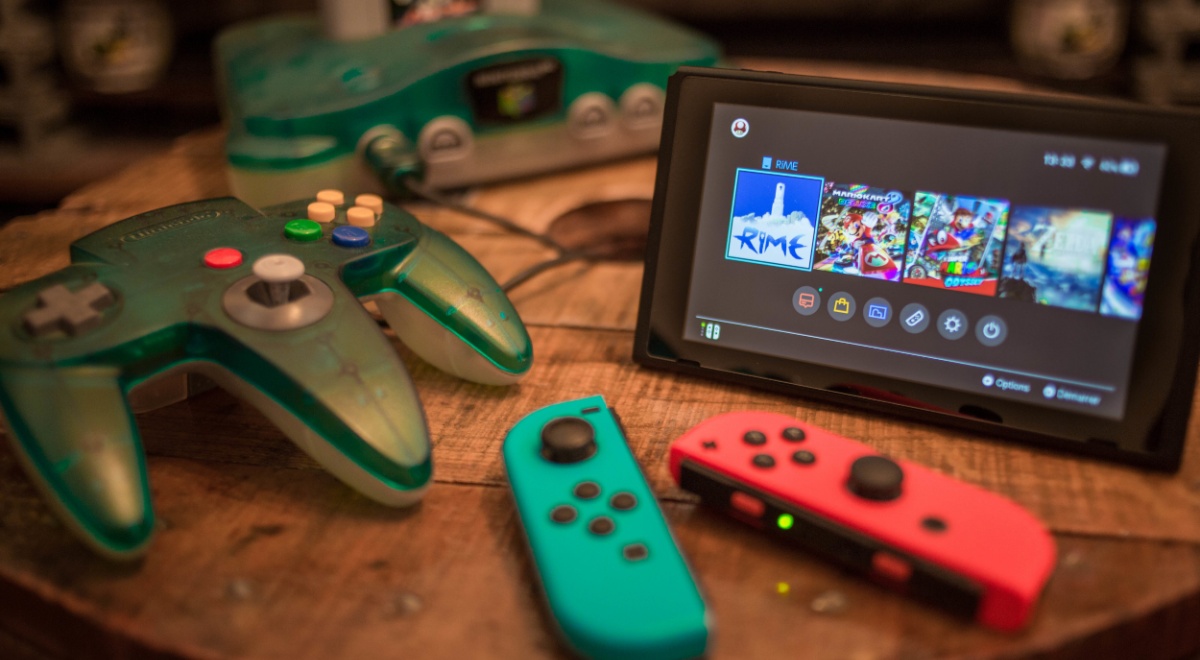
Nintendo Switch released in 2017. Guillaume Payen/SOPA Images/LightRocket via Getty Images.

 Follow us
- Rep. Ritchie Torres plans to introduce the Power to the Players Act to protect video game ownership.
- The proposal would ask the FTC to replace licensing with ownership rules for purchased games.
- Games with online features would need an offline mode before publishers shut down supporting servers.
Key Takeaways by nexos.ai, reviewed by Cybernews staff.
Computer game players fighting for their rights amid the ongoing transformation of the gaming industry just got political support in the US.
Rep. Ritchie Torres, a Democrat representing New York’s 15th Congressional District in the Bronx, said he will introduce the Power to the Players Act, aiming to protect people's ability to own and play the video games they buy.
Torres proposes directing the Federal Trade Commission to establish regulations that would replace the licensing model with an ownership model, requiring games with online functionality to provide an offline mode before their supporting servers are shut down.
"A game that can be taken away the moment a company pulls the plug is not a purchase. It is a rental disguised as a sale," the politician said, adding, "When you pay for a game, you should own it."



The announcement gives the example of NBA 2K25, which retailed for $69.99-$99.99 but will now be delisted from digital storefronts on October 30th and have its online servers shut down on December 31st.
The game's developer, 2K, claims this is being done because "continuing to run online services for both our newer and legacy titles becomes commercially unfeasible," as "online services and features evolve, players naturally transition over to our newer titles."
However, the company added that "the game and/or certain features may still be playable offline. However, any online features will no longer be available." For example, NBA 2K23, released in September 2022, had its online features retired on December 31st, 2024.
In either case, this is just one example of the ongoing battles between gamers and developers as the industry continues to change.
For example, Sony has faced backlash over its plans to stop producing physical discs. Meanwhile, gaming consoles might also become niche products as the gaming industry is expected to move increasingly toward cloud gaming.