Google tries to patent an AI TV channel where you’d be the star, but fails
Rejected: a patent filing for a television channel about you, for you, and starring you.
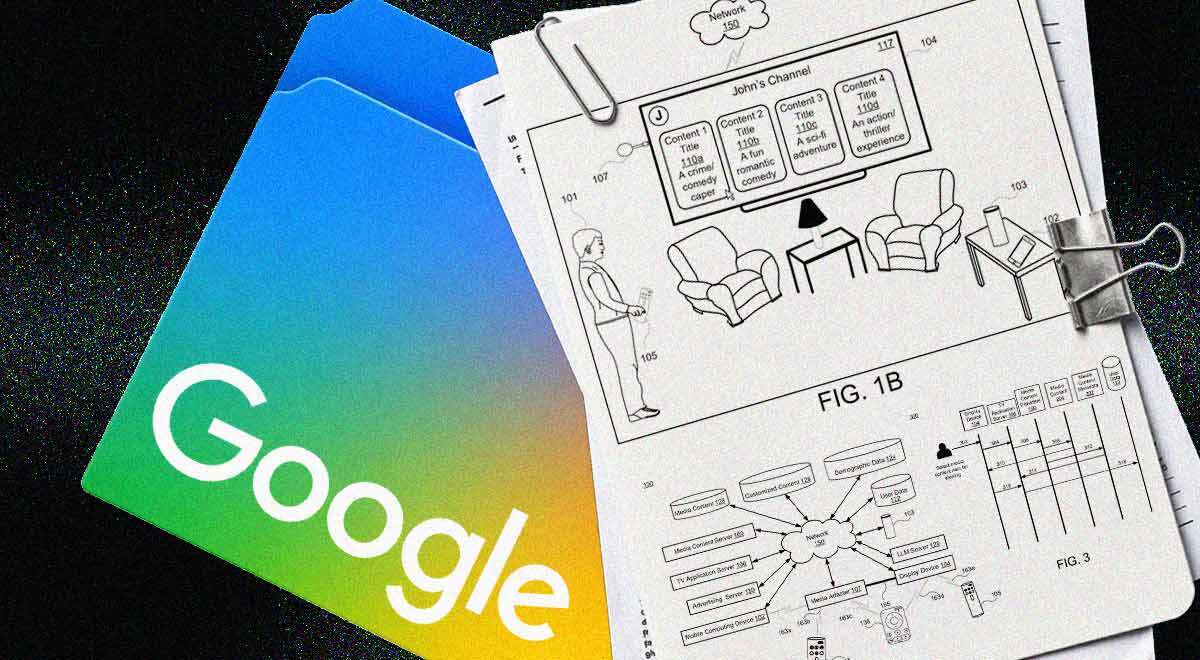
Image by Cybernews | Source: Google patent filing

 Follow us
- Google filed a patent for “My Channel,” an AI TV app that would generate personalized videos.
- The system would use viewing history, device details, location, language settings, and age to shape videos.
- Users could appear as characters through their photos and voice, according to the filing.
- The patent was rejected, but Google can amend the filing or appeal.
Key Takeaways by nexos.ai, reviewed by Cybernews staff.
Google’s patent filing outlines how it could use your data to generate highly personalized AI videos with you as the main character.
If you think you’re already receiving personalized content, whether it’s videos tailored to your interests, your favorite shows, or relevant ads, Google has found a way to take it to another level.
The company filed a patent titled "Creating a channel of video experiences tailored to a user."
The document focuses on creating an AI-powered application for a TV channel that would show content based on users' location, age, and viewing history.





The catch here is that it doesn’t show a user what’s available based on their preferences, but instead creates entirely new videos.
An interesting feature this app would include is the ability to turn a user into a character using their photos and voice.
How would this work?
The platform would be called “My Channel.”
The feature would work by having a server collect data on the types of titles and genres a user watches, as well as information about their device, including IP address, location, and language settings. It would also collect demographic data, including a user's age.
This information would then be used to create an AI prompt, which would generate a video streamed to the user. It’s been reported that such videos can be created weekly, monthly, yearly, or on request.
The prompts could also come from another AI model that would provide the latest news and trends. Users would receive different videos, depending on whether they use a smartphone or a smart TV.


Stay updated with our latest stories and follow us on social media
Be the first to discover new stories, ideas, and updates from our team.
Patent shown as rejected
If implemented, the feature would allow users not only to choose from what’s available but also to see content made specifically for them.
However, it also means the platform would have a considerable amount of data about the user, including not only their viewing preferences and habits but also their location and age group.
The idea is outlined in a patent application, meaning there’s no guarantee it would ever be implemented, let alone any indication of when it may happen.
What makes the patent’s future even more uncertain is the fact that it was rejected by the patent examiner, according to Patentlyze. Google can still make amends or appeal.
The reason for a patent rejection could be that the invention isn’t novel, doesn’t include a clear description, or the invention doesn’t fall within categories the law allows to be patented.