TikTok Germany manipulation: 3M posts influencing minds, exposed
A survey has revealed that over 3 million social media posts featuring extremist content have been utilised to exploit German political thinking, across various channels on TikTok and Telegram.
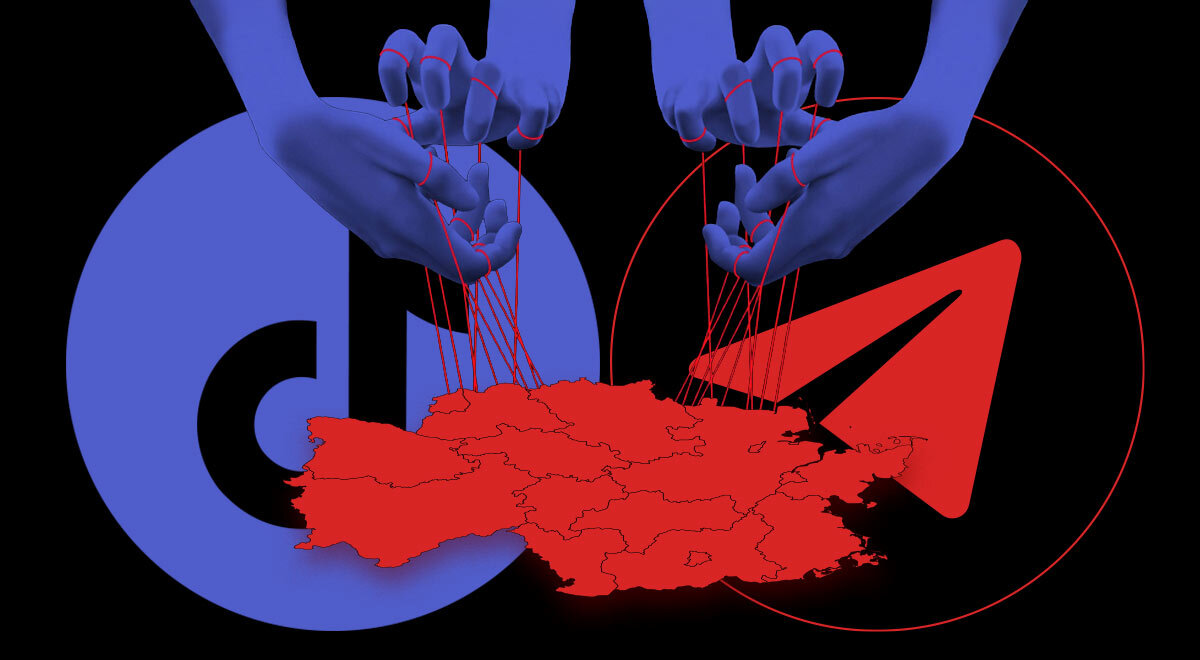
Image by Cybernews

 Follow us
A survey has revealed that over 3 million social media posts featuring extremist content have been utilised to exploit German political thinking, across various channels on TikTok and Telegram.
The survey by predictive narrative intelligence platform Repsense has analyzed 3.1 million pieces of content across TikTok and Telegram in Germany, aiming to detect coordinated narrative operations and information influence campaigns.
Crucially, the researchers found that there is an optimum 12-48 hour window for the content to first appear on Telegram where the idea coordinates. Then the narrative spreads and peaks across channels on TikTok. 97% of the content analysed in the study appeared across both Telegram and TikTok, reinforcing the ideologies further.
Some narratives originate in Russian-language Telegram channels, but it does not say these are state-directed or attribute them to the Kremlin or any other organization. Short-form videos often slip through the radar when it comes to robust defence planning in organizations such as NATO and EU institutions.
Lead researcher Mykolas Katkus highlights that “information operations are not a communications problem – they are a security threat.”



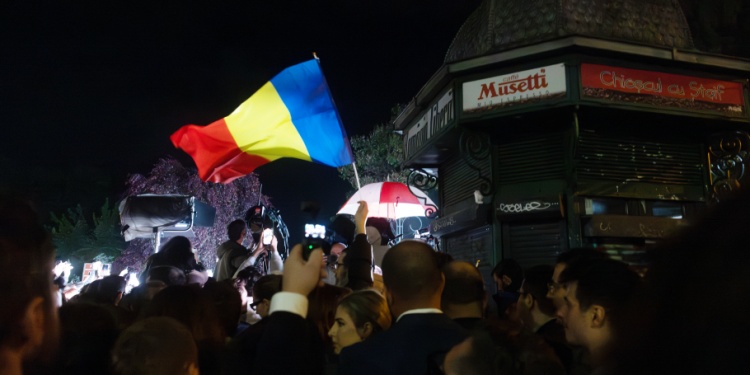
One comparison that the report mentions, was how TikTok was used in Romania by a far-right candidate to influence election results, with the election ultimately becoming annulled.
Coordinated narratives
As social media can increasingly be used to subliminally sway the ideology of users, the report found that TikTok in particular amplified the narrative of “Ukraine war as US proxy,” which appeared over 13 times more on TikTok than on established online news portals.
The study sifted through 1.5 million TikTok posts, diving deep into 262,265 videos from more than 3,000 accounts, while cross-checking content across over 400 Russian and 300 German Telegram channels and 1.2 million online news mentions.
The covert short-form videos, symbols, background audio, including propaganda songs, text, and coded references are the subtle mediums used for the political chiselling.
Some of the more extreme content included coded Nazi references (A.H. symbols), far-right imagery, Soviet flags, St. George ribbons, propaganda songs, and deepfakes.






And as the public's opinions become more polarized, on the German Telegram network. the researchers found that out of 67,904 messages, 28% were pro-American, 17% promoted populist-right parties, and 24% attacked centrist and centre-left parties.
The research is published as Europe ramps up its cyberdefence capabilities in the wake of a “relentless barrage” of cyberattacks, courtesy of Moscow.
“Europe is investing hundreds of billions in conventional and cyber defence, and rightly so,” explained Katkus, “but any actor that can shape public opinion through coordinated messaging networks and algorithmic amplification operates at a fraction of that cost.”
Many social media users in Europe are already looking for alternatives to the mainstream platforms, including the announcement of W, which is positioned as rival to Elon Musk's X.
Unlock more exclusive Cybernews content on YouTube