Lawsuit claims Meta tricked customers into “last chance” deal on smart glasses
All's fair in love and war… and sales.

Image by Hollie Adams/Bloomberg via Getty Images

 Follow us
- A lawsuit claims Meta used misleading email subject lines to push smart glasses sales.
- The plaintiff says Meta kept a 25% discount active after emails claimed it ended that day.
- The complaint alleges Meta violated Washington laws against misleading commercial emails and consumer deception.
Key Takeaways by nexos.ai, reviewed by Cybernews staff.
Meta is being accused of pressuring consumers by proposing a short-term discount deal that wasn’t so short after all.
Deals nearing their end might be just the right motivation to push a buyer into finally making a purchase.
It seems that’s what Meta tried to do with a deal on its smart glasses, which led the company to become a part of a class action lawsuit.
Michael Camilleri, a plaintiff in the lawsuit, claimed that Meta Platforms sent misleading promotional emails that would inform consumers about the deal's end.




The email subject lines would include words like “Last-chance,” “ends soon,” and “ends today.” However, the plaintiff noticed that the discounts would still be valid even after the appointed deadline.
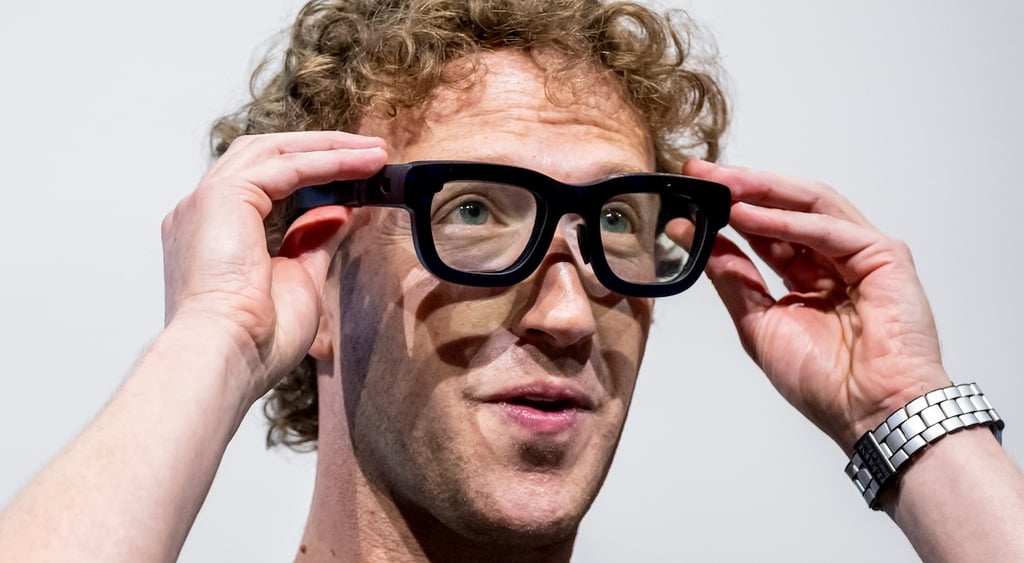
Sued for misleading customers?
The lawsuit alleged that Meta tricked consumers into believing they needed to buy the device sooner to avoid missing the discount.
According to Camilleri, by playing the temporary-discount card, Meta created a sense of urgency that led users to buy the smart glasses, a product they might not have bought in the first place.
The plaintiff accused the company of violating Washington’s Commercial Electronic Mail Act (CEMA) and Consumer Protection Act (CPA), reported Top Class Actions.
CEMA prohibits sending commercial emails or texts that include false or misleading information in the subject line to Washington residents.
Violating CEMA also results in a violation of CPA.
What was Meta’s smart glasses deal?
The lawsuit comes after Meta sent out a promotional email with the subject line “Ends today: AI glasses from $224.”
The email offered product discounts of up to 25% that would expire that day.
However, the deal didn’t end that day, as the company would offer the same $224 starting price for its AI glasses and a 25% discount 2 weeks later.
After a 33-day audit, it was revealed that Meta kept the deal for those 2 weeks, instead of ending it as stated in the email.
According to the complaint, there could be thousands of potential class members who may seek statutory damages of $100 per allegedly misleading email sent.
Meta smart glasses buzz
Meanwhile, Meta has faced significant backlash over its smart glasses, which became infamous for being used to film people without their consent or even to harass them.
The situation escalated to the point where the device came to be known as the “pervert glasses,” with many owners even debating whether it’s worth using them at all.
The issue escalated further after some Meta smart glasses owners started removing an LED light that was supposed to indicate when the device is filming.
To combat this workaround, the company issued an update that stops camera use when the smart glasses’ recording light is covered.
However, many users believed that such an update might not be effective enough.
During the Meta Connect 2026 event, the company introduced new smart glasses that come without a camera, called the Ray-Ban Meta Audio.