Users ditching Meta smart glasses over fears of being called a pervert
Reputational cost may be too high.

Image by Hollie Adams/Bloomberg via Getty Images

 Follow us
- Meta smart glasses users are leaving devices at home amid fears others see them as creepy or invasive.
- Privacy concerns have grown after reports of people being filmed in public without consent and mocked online.
- Schools and courts are banning recording-enabled eyewear to prevent cheating and hidden recordings.
Key Takeaways by nexos.ai, reviewed by Cybernews staff.
Owners of Meta smart glasses are sharing how current online discourse makes them want to leave their devices at home to avoid being accused of being “creepy.”
The first smart glasses were released more than 10 years ago, and some thought they could become as popular as smartphones.
However, instead of becoming a new tech-wearable norm, smart glasses have become a device that few users want to be seen wearing. Why?
“I’m not trying to make a big deal out of someone’s personal tech,” wrote one Reddit user, “but I feel uncomfortable having conversations with someone wearing glasses that can record audio and video without it being immediately obvious.”





The Redditor said that their co-worker bought Meta Ray-Ban glasses and uses them every day. However, the author noted that it makes them feel uncomfortable because they’re not sure whether they’re being recorded whenever they interact.
AITA Is it unreasonable to ask a colleague to take off her AI glasses when speaking to me?
by u/AussieDripbear in AmItheAsshole
Situations like this are no longer rare, with more people avoiding anyone wearing smart glasses like the plague after cases in which they were used to film people without their consent.
This has become an issue for users who wear smart glasses not to spy on or harass people, but to use them to capture content, make phone calls, or listen to music.
More of them are becoming aware that, even if they’re not doing anything sinister, others might see it differently. For this reason, more of them are deciding to leave the device at home, according to Engadget.
Multiple content creators told the news outlet that they don’t use their smart glasses as much or refrained from buying them after seeing comments online that label anyone wearing such a device as a “creep.”
Before “pervert glasses,” there were glassholes
These user claims don’t come from nowhere.
It was previously reported that a woman in London was secretly filmed by a man wearing smart glasses. She then found out that the video featuring her had been uploaded online and was racking up more than 40,000 views.
When the woman asked the man to remove the video, he demanded she pay him to do so, stating that he hadn’t broken the law because filming people in public places is allowed.
Such and similar instances go unsolved because of this, often leaving the filmed person vulnerable and turning them into victims of online mockery.
Even if smart glasses aren’t used to film someone intentionally, they can still pose security risks.
Last year, Meta released Oakley’s Meta Vanguard glasses with the capability to take and export videos and images on Strava.
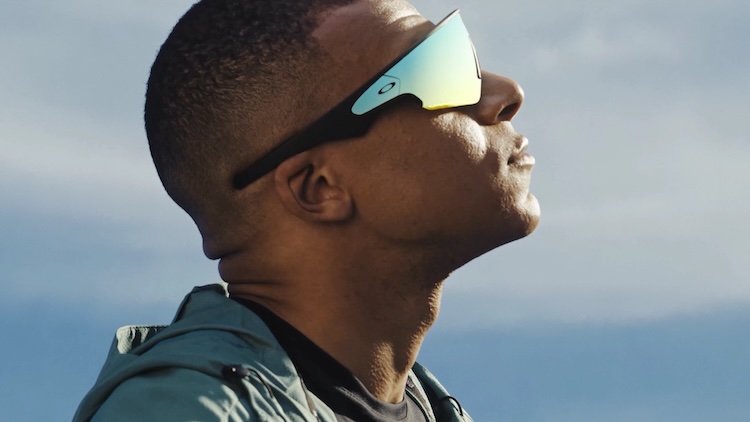
However, such shared information could be used by interested parties to see exactly where you run or cycle, your most visited areas, or even show a path to your home.
Privacy concerns are only growing
Some institutions have already banned the use of smart glasses.
The College Board, an organization in the US that creates and administers the Scholastic Assessment Test (SAT) for students, banned students from wearing smart glasses during the SATs in March, 2026.
This way, students would be stopped from cheating during exams.
The conversation on this topic is live. Join in the discussion.
Starting July 20th, 2026, recording-enabled eyewear and headwear will also be banned in New York state courts.
The ban will be introduced in more than 1,240 courts to stop hidden recordings that violate state civil rights law.
What makes it possible for people to know that they’re being filmed by smart glasses is the built-in recording indicator or a small LED light that blinks to alert people that the camera is on.



Stay updated with our latest stories and follow us on social media
Be the first to discover new stories, ideas, and updates from our team.
However, this indicator can now be removed thanks to a new service that drills it out, and some users are doing just that.
Meta has addressed the issue by automatically disabling camera access on tampered glasses.
Despite the company’s efforts, critics say the company should remove the camera from the device altogether.
That probably won’t be the case, as Meta has reportedly been working on next-generation AI glasses that can remember what users saw or heard throughout the day.
One question about these new glasses is whether they will include an indicator light to show that the AI feature is actively recording in the background.