“Make it a quadruple no:” Why you might not want to connect your Oakley Meta Vanguard to Strava
It’s time we got smarter about using smart glasses.
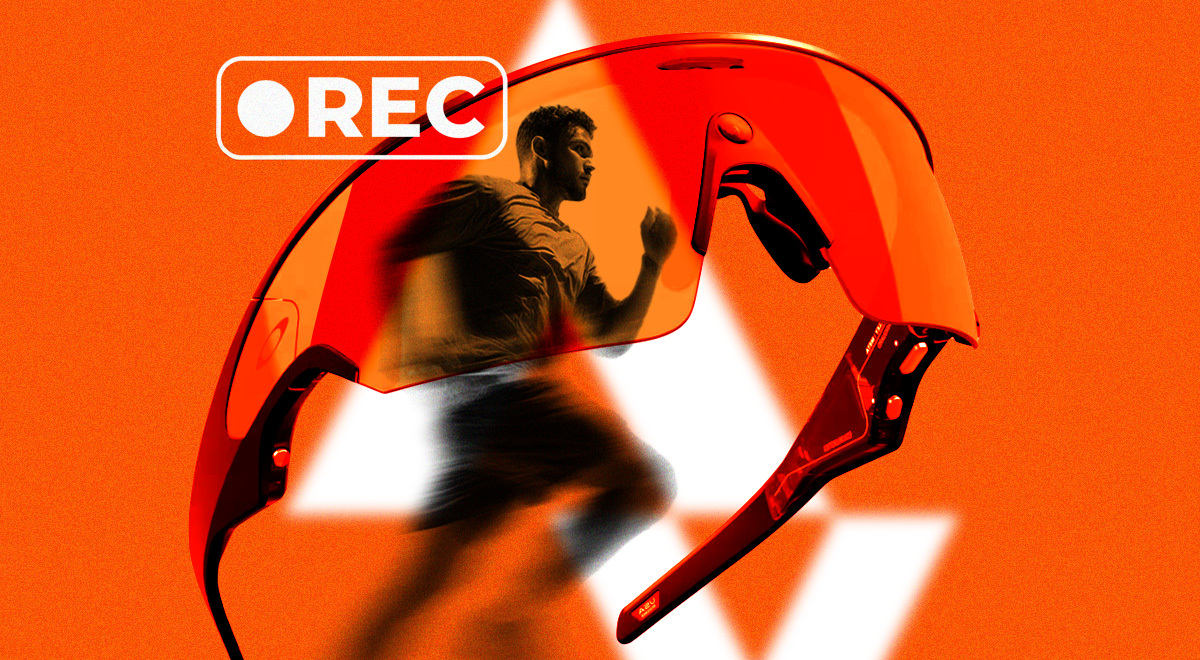
Image by Cybernews

 Follow us
It’s time we got smarter about using smart glasses.
During Meta Connect, the company’s annual event, CEO Mark Zuckerberg revealed three pairs of new Meta smart glasses, including the showstopper, Meta Ray-Ban Display, which comes with a neural wristband.
Besides revealing its latest gadgets, followed by a few flopped live demos that the company presented during the event, Apple also shared a few upgrades to its existing products. One of them was Oakley’s Meta Vanguard glasses, which were created for sports enthusiasts.
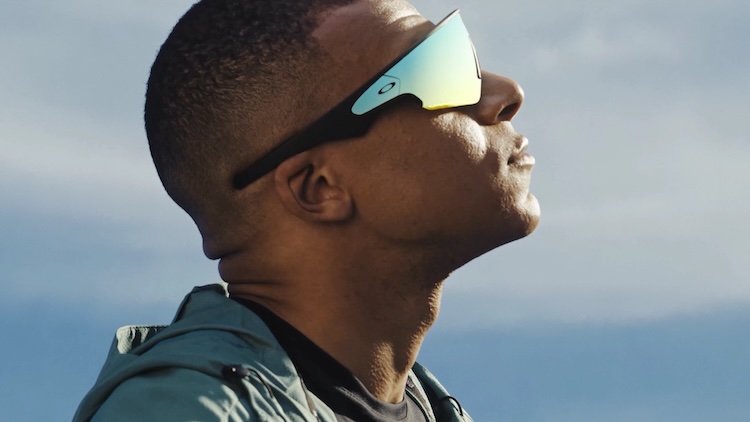
The new AI glasses boast several features, such as a 12MP camera with 3K UHD recording, high-quality audio, and Meta AI support.
The $500 glasses are also sweat, dust, and water resistant, making them great for sports, especially for those who like to capture their adventures on the go.






However, one feature raises safety and privacy concerns that have already been heard before.
After the Meta Connect event, I received an email from Strava in my inbox. The subject line read, “New: Oakley Meta glasses on Strava.”
What’s funny is that a few hours before, while being caught in a whirlwind of what to think of the new Meta glasses and their somewhat hilarious presentation, I was having a chat about the product with a colleague who brought to my attention the fact that, thanks to these glasses, we might never know when we’re being filmed.
So when I read about this new feature, which allows users of Oakley Meta glasses to export their videos and images on Strava, I was once again hit with the questions about our safety and privacy.
Your photos on Strava may serve as an invitation to thieves
The subject of remaining cautious about what you share on Strava has already been discussed. The need to brag about your fast run, long hike, or adventurous cycle may provide useful information about your whereabouts and daily habits to creeps and thieves.
However, even people who should know better, such as an agent assigned to former US President Joe Biden, slip up sometimes. It’s been previously reported that agents, bodyguards, and security staff of world leaders often tend to use Strava to post their stats, revealing information on the possible location of these important people.
Considering the fact that we might already be revealing too much information via applications such as Stava, could Meta’s new sports glasses and their new capabilities raise even more potential risks?
“Adding visual elements like images and videos to Strava significantly increases existing safety fears,” shares Hanna Parkhots, data collection project manager at Unidata, a data collection and labeling company.
A picture or video from a workout could provide stalkers or burglars with information such as where you live, your route to work, or when you’re out of town.
“The photographic aspect is the game-changer, for it creates a verifiable, in-the-world perspective of an individual's daily routine, making them a more inviting target than mere GPS information would,” concludes the expert.

Who wants to be on your Strava feed?
Using the Oakley Meta glasses to capture workout moments and share them on Strava poses risks to those around us, too.
Such pictures and videos could include sensitive details about the user’s life, show their friends, loved ones, and valuable property, or disclose sensitive information through discussions in the background.
In the wrong hands, it could also be used for malicious purposes.
“The glasses are inconspicuous, and individuals won't even realize they're being recorded. That raises severe questions of privacy concern, as individuals cannot opt to permit their likeness or image to become videotaped and streamed without their consent,” explains Parkhots.




Redditors’ take: All the shared data we cannot see
Oakley Meta Vanguard integration with Strava also started a discussion online, with some users opposing the idea.
“That would be a hard no. Especially since it's Meta, it's just double no,” wrote one user, with another chiming in by saying, “Make it quadruple no.”
“I hate the thought of any glasses that can record, 100% no,” shared another user.
Strava Announces Integration with Oakley Meta Vanguard Performance AI Glasses
byu/clemenslucas inStrava
Such a reaction is valid considering that Meta has been involved in multiple privacy-related controversies. In fact, the EU has fined the company for over $1.3 billion for data breaches, according to a report from 2023, notes Parkhots.
The glasses collect not only audio and video data but also metadata about the user’s environment.
Users can’t know whether this background data is collected, where it’s stored, how it’s being passed or used, explains the expert. Parkhot notes that it’s “not distrust of Strava per se, it's fundamental and justified distrust of Meta and its history.”
Sports and health enthusiasts who use smart glasses may also give out data about their health unintentionally.
“My work with virtual reality in clinical settings taught me that visual data contains far more personal information than people realize,” shares Dr. Erika Peterson, a neurosurgeon at UAMS.
“A single workout recording can reveal your fitness level, medical conditions, and even emotional state through gait analysis and heart rate correlation.”
Peterson also notes that, unlike regulated medical devices, the creators of such consumer products can change their data policies without the same oversight that is faced in healthcare.
Unlock more exclusive Cybernews content on YouTube.