New York demands advertisers use “synthetic performer” label or else
New York advertisers are now legally obligated to label AI actors featured in commercials.
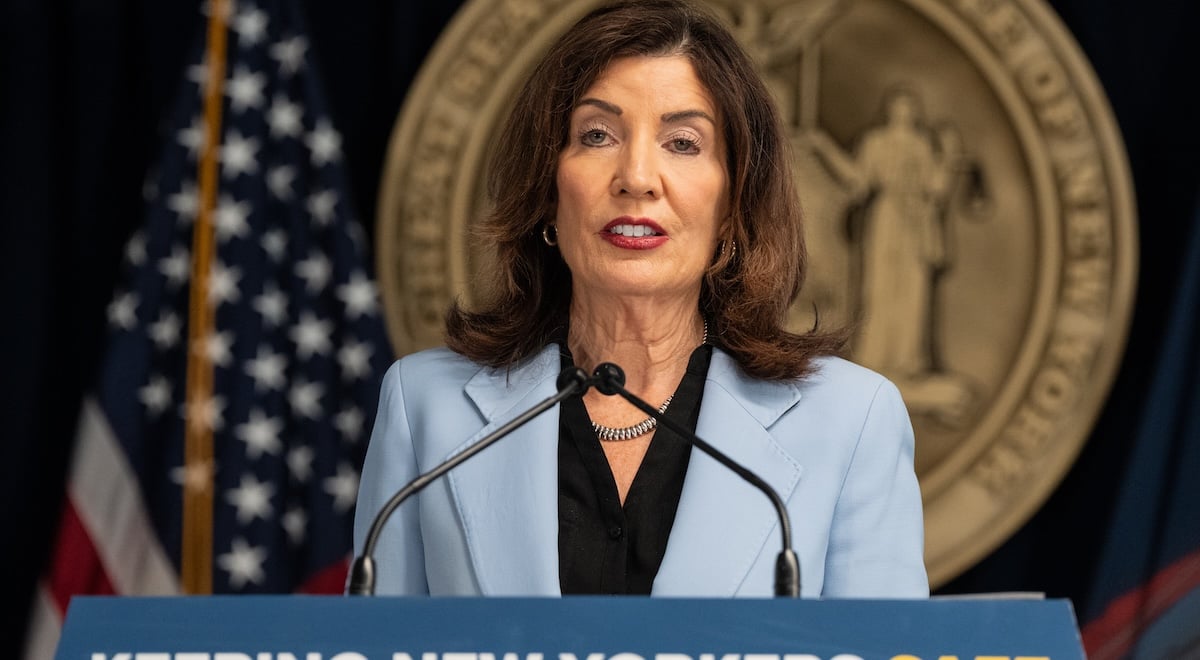
New York Governor Kathy Hochul by Getty/Pacific Press

 Follow us
New York’s new AI advertising law requires clear labels when commercials use synthetic performers that look like real people.
- The law is meant to improve AI transparency and help viewers understand when an actor in an ad is not real.
- Businesses that fail to disclose AI-generated performers could face fines ranging from $1,000 to $5,000.
- SAG-AFTRA supports the law because it protects consumers from deception and helps defend actors from being replaced or having their likeness misused.
- The issue is growing as AI avatars become harder to distinguish from humans and are increasingly used in ads, scams, and manipulated media.
- Clear labels could help rebuild public trust by making synthetic content easier to recognize.
A new law, signed in December 2025, requires producers to conspicuously label content that features artificially generated content, specifically AI renders that look like real people.
Governor Kathy Hochul announced that the law is the “first-in-the-nation” and aims to “boost AI transparency in advertising” and other industries.




The law promises to punish businesses that don’t follow the rules, as failure to comply with the disclosure act will result in fines from $1,000 to $5,000, according to The Independent.
Hochul’s rule doesn’t apply to ads for films, TV series, video games, and other content that relies heavily on synthetic performers.

For example, advertisers for Capcom presumably wouldn’t have to label Resident Evil: Requiem ads as AI-generated, as the entire game is synthetic.
The legislation is a response to the widespread democratization of content creation facilitated by AI and the effect that it’s having on people in the industry.
Actors' union overjoyed by new law
SAG-AFTRA has been extremely vocal about AI, and welcomes the new law as a positive indication of the government’s attitude towards entertainers.
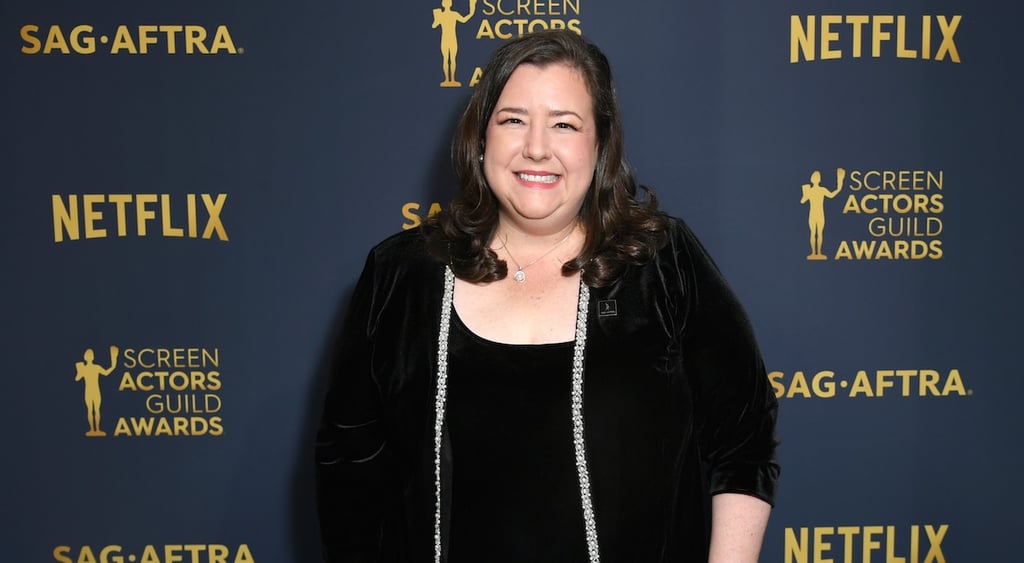
The Synthetic Advertisement Disclosure law not only protects consumers from manipulation but also defends “workers from the risks posed by rapidly developing AI technologies,” SAG-AFTRA’s New York Executive Director Rebecca Damon said.
The media business in New York not only supports hundreds of thousands of US residents, but also contributes billions of dollars to the national economy.
Film and television supported roughly 185,000 jobs and contributed nearly $82 billion to the US economy, according to the New York government’s economic impact report.
This new law helps protect actors from having their likenesses misused or “being deceptively replaced by artificial intelligence,” New York Senator Michael Gianaris said.
Celebrities have started trademarking themselves
The misuse of a person's likeness is not uncommon, as many deepfakes of public figures are being used to bait the public into registering for crypto investment scams or other fraudulent activities.
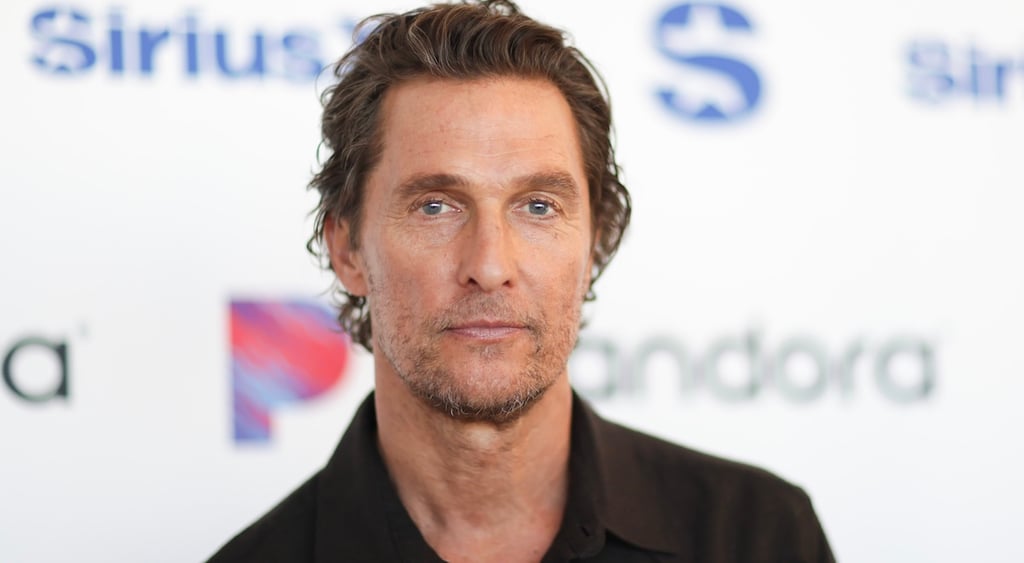
Famous people, including Oscar-winning actor Matthew McConaughey, have begun trademarking their own likeness to deter AI misuse.
AI-generated actors or “synthetic performers” are significantly cheaper than employing human actors, making them more appealing to businesses.
AI tools are even more appealing to fraudsters who are appropriating celebrities' likenesses to peddle scams.
This alone erodes trust in AI and the businesses that use it, particularly when it's not disclosed.
AI avatars are becoming indistinguishable from humans
Many Americans believe that AI disclosure is extremely important, as 76% of people think people should be able to tell if content is AI-generated, according to the Pew Research Center.
This becomes increasingly important as AI-generated actors are frequently being used by advertisers to sell products and promote certain movements or ideologies.
Unlabeled AI media, particularly those that feature synthetic people, are becoming incredibly convincing and are being used to deceive and even defraud the public.
These labels are therefore an integral part of rebuilding public trust in media organizations while empowering users to learn more about synthetic content.
“Without notice that the content the public is viewing is not real, AI-generated synthetic performers and manipulated media can undermine one's ability to accurately distill fact from fiction,” according to the New York Governor’s press office.






Unlock more exclusive Cybernews content on YouTube.