Nigel Farage and Andrew Bailey's “bizarre AI video” is more dangerous than you might think
Reform Party leader Nigel Farage and Bank of England chief Andrew Bailey have been caught up in an AI-powered scheme to get ordinary Brits to sign up to a scam crypto trading platform.
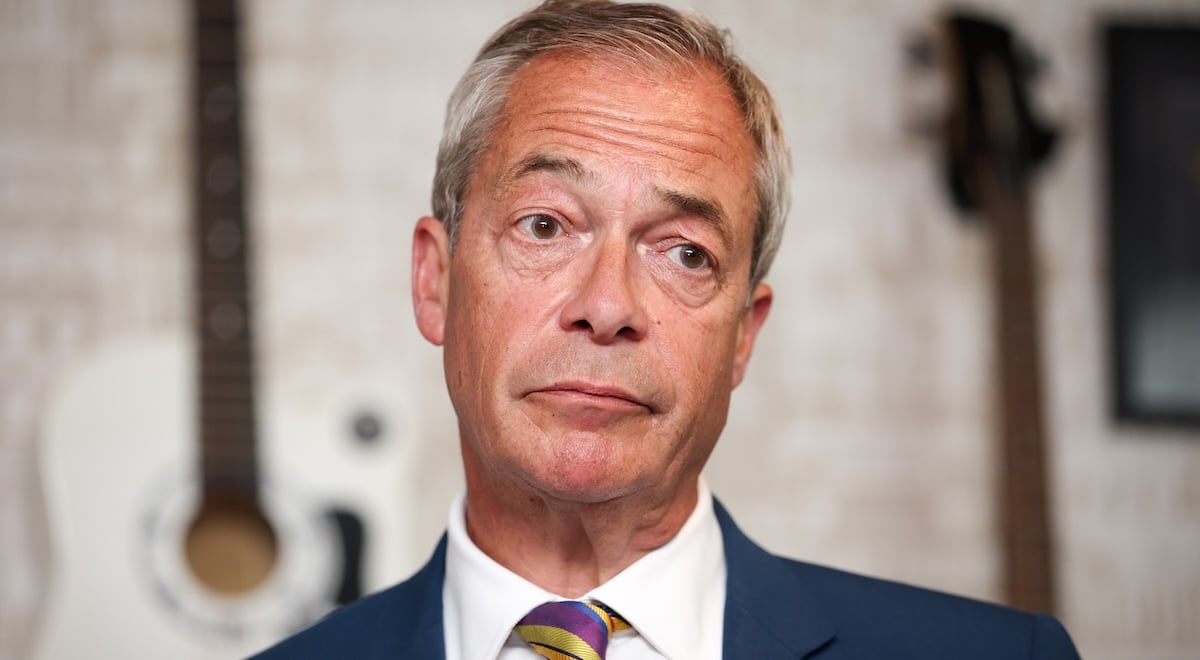
Nigel Farage by Getty/Ryan Jenkison

 Follow us
Reform Party leader Nigel Farage and Bank of England chief Andrew Bailey have been caught up in an AI-powered scheme to get ordinary Brits to sign up to a scam crypto trading platform.
- An AI-generated video falsely shows Nigel Farage and Bank of England Governor Andrew Bailey fighting on Question Time to promote a scam crypto platform called Fundektris.
- Farage said the clips were bizarre AI videos, while credible reporting also identified the content as fake.
- Fundektris shows major scam warning signs. It appears unregistered, unregulated, blacklisted, and filled with broken or placeholder website elements.
- A suspicious blog post pushing the fake debate and promoting Fundektris appears to be AI-generated and offers no credible proof that the event happened.
- The deepfake, AI-powered scam, and synthetic blog post raise significant concerns surrounding AI-enabled fraud.
In videos circulating across social media, Farage and Bank of England (BoE) Governor Andrew Bailey can be seen on the set of the political debate TV program Question Time.
The video shows a physical fight breaking out between the two, with the parliament member kicking the banker and breaking studio equipment.
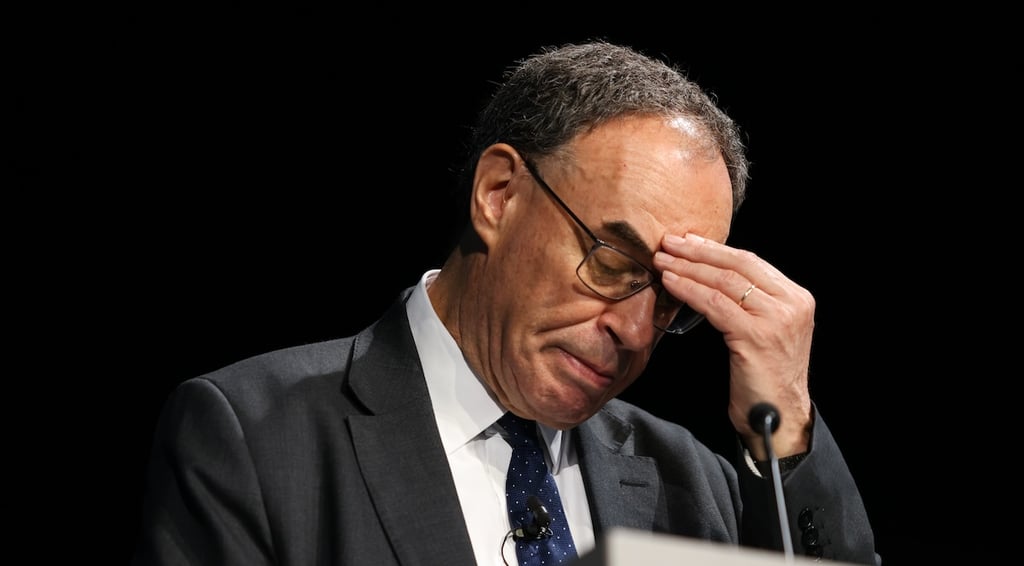






But, of course, none of this ever actually happened.
The former UKIP leader responded via X, acknowledging that users “may have seen some bizarre AI videos on this platform today.”
“Whilst Andrew Bailey and I have our disagreements, I would never take it that far!” Farage said.
The video heavily promotes the AI-powered trading platform Fundektris, which serves as a cryptocurrency mentor, helping users make informed trading decisions.
The AI crypto trading platform is super scammy
In the fake video, Farage is heard telling Bailey live on air that every day Brits can take back control of their finances by registering to Fundektris.
The AI trading platform, however, is not a real company as it has no official registration and isn’t authorized or regulated by any major financial commission, said Cybernews senior information security researcher Aras Nazarovas.
The site raises many red flags as Fundektris seems to be vibecoded, meaning that it’s likely to have been created by someone with little knowledge of website building and needs a site fast.

Fundektris’ site also contains placeholders, buttons to download non-existent apps, and it’s also on several cybersecurity blacklists, according to Nazarovas.
On the supposed episode of Question Time, the Reform MP told Bailey that 40,000 people had already registered on the platform. This caused the governor to walk off set, according to a sketchy blog post from someone calling themselves Sean Sims, who seemingly verifies that Farage and Bailey were on the BBC’s Question Time.
The post was published on the 3rd of June, 2026, and is their only post, which is very suspicious.

Were Nigel Farage and Andrew Bailey on Question Time?
The article frequently claims that Farage and Bailey fought it out in front of Question Time host Fiona Bruce on live television.
But no credible sources have confirmed this.
Farage himself has said that the content circulating on social media is just “bizarre AI videos,” and sources including Bloomberg and The Telegraph have also reported that it’s AI-generated.
The text is also extremely biased, glorifying Farage’s arguments while attempting to embarrass the BoE chief.

The only source supporting the conspiracy is AI-generated
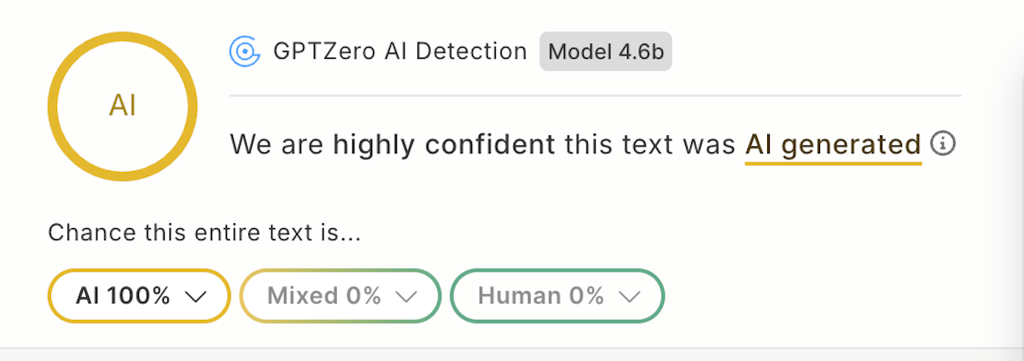
Upon further investigation, Cybernews found that this blog post, which is being used to push a pro-Farage narrative and promote Fundektris, is 100% AI generated, according to GPTZero.
It’s highly likely that the person behind the blog is also an integral part of the scam AI trading platform, considering that the only article on the blog heavily promotes Fundektris.
Fundektris supposedly delivers real money to major UK banks like Lloyds, Barclays, and NatWest while being “FCA-compliant,” according to the article, which cites the fake debate.
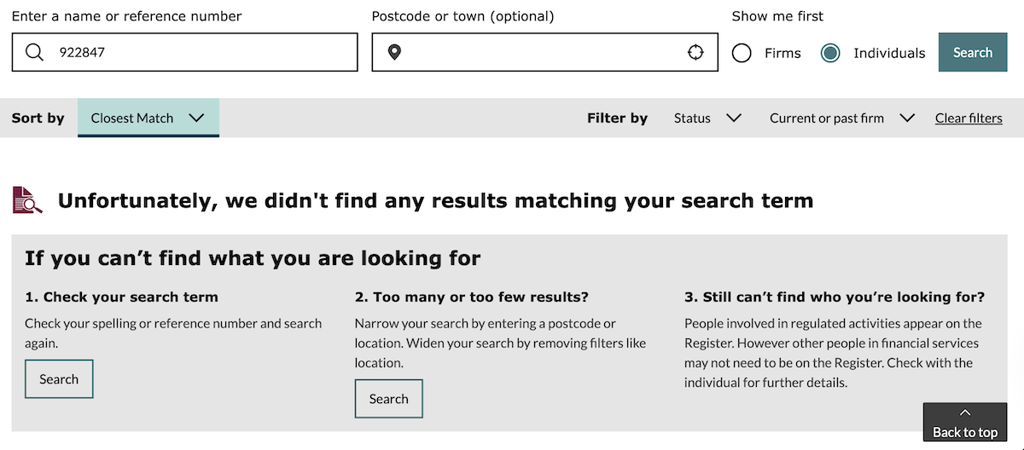
The author provided a Firm Reference Number (FRN), which Cybernews looked into, but nothing came up when Cybernews searched for it on the Financial Conduct Authority’s website.
AI scams are out of control
Chatbots and LLMs like ChatGPT and Claude have lowered the barrier to entry into cybercrime, as low-level criminals can craft convincing videos, well-written blog posts, and scam websites with little effort.
Roughly 444,000 cases of fraud were recorded by the National Fraud Database in 2025, which is the highest number ever recorded in a single year, according to fraud prevention organization Cifas.
The Cybernews community is talking about this. Be a part of the conversation.
This 6% increase has been attributed to the use of AI to help accelerate fraud, as “AI and generative technologies are enabling convincing impersonations, fake documents, and synthetic identities to be created at speed and scale.
Mike Haley, CEO of Cifas, claims that AI will be used to personalize attacks and build credible, long-term profiles – reinforcing the need for cross-sector collaboration to spot patterns earlier.”
“Our data and intelligence show how fraud is being industrialized, with AI accelerating crime that is increasingly digital, organized, and international,” Haley concludes.






Unlock more exclusive Cybernews content on YouTube.