London glasshole films woman, demands money: here’s how to protect yourself
A Londoner says she was secretly filmed by a man wearing smart glasses, who then asked for money to remove the video from social media. Experts aren’t surprised and warn that it’s not just privacy at stake: in the age of AI, these accessories can become powerful surveillance devices.
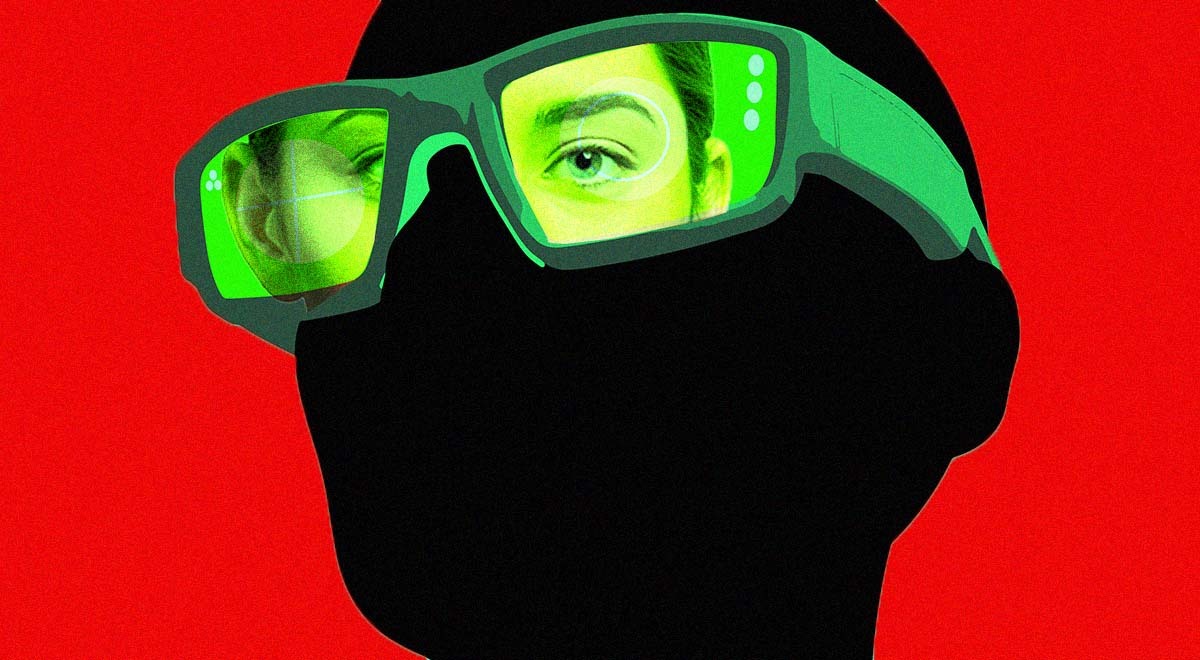
Image by Cybernews.

 Follow us
A Londoner says she was secretly filmed by a man wearing smart glasses, who then asked for money to remove the video from social media. Experts aren’t surprised and warn that it’s not just privacy at stake: in the age of AI, these accessories can become powerful surveillance devices.
The woman had no idea the man was filming her when he approached her in a London street and started chatting. She eventually realized what happened when a friend sent her the video – 40,000 views and counting.
Quite obviously, she was shocked because the man had no phone and “did not have a camera directly in my face.”
The woman told the BBC she contacted the man’s account to ask to remove the video, but he responded that he’d only do so as a “paid service” and that his video “fully complies with the law.”
Powerful, portable surveillance device





Indeed, even though the woman has reported the incident to the police, law enforcement can’t really do anything about this sort of blackmail since filming people in public isn’t illegal.
That’s exactly how the police reacted to another similar incident in the United Kingdom last year, when a woman, horrified by ugly comments by proud members of the so-called “manosphere,” reported a video of her – once again filmed by a man’s smart glasses – to authorities.
Similar videos, filmed by male influencers wearing smart glasses, are often posted on social media under the guise of offering dating advice to other men. It’s humiliating and terribly invasive.
However, cybersecurity experts warn that smart glasses can become a gateway to all kinds of sensitive personal information about the victim. In other words, it’s not just privacy that’s at stake anymore.
Already in 2024, Harvard University researchers demonstrated how video taken via smart glasses and livestreamed to Instagram can be connected to AI. Algorithms then identify faces and pull information from the internet about those individuals.

Check if your data was exposed
Find out if your email and related personal information have appeared in known data breaches.
“Suddenly, that cool accessory becomes a powerful, portable surveillance device capable of empowering stalkers, bullies and fraudsters,” researchers from cybersecurity company ESET say in a new report.
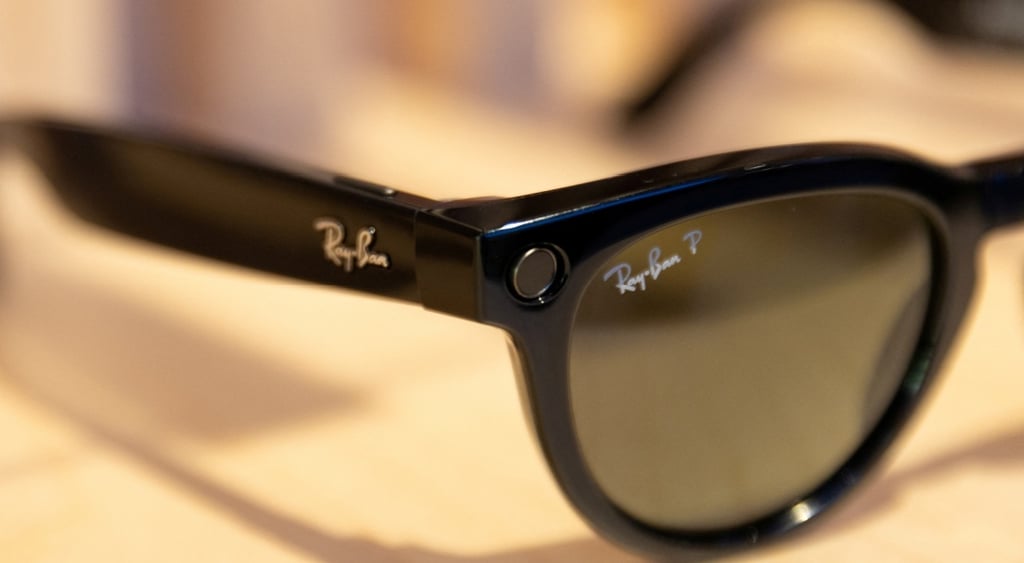
Meta is even planning to revive a controversial Name Tag feature that would allow Meta Ray-Ban wearers to identify people they’re looking at (or taking photos or videos of) and receive information about them with the help of an AI assistant.
A dangerous type of data extraction
“Any sensitive information shared with a public AI platform via a pair of smart glasses could theoretically be regurgitated to other users if prompted in the right way. That’s a potential security risk if they choose to use the information fraudulently,” says the ESET report.
“And then there are those outsourced workers and contractors who may stumble across information harvested by glasses, which they might decide to sell to scammers.”
What’s at stake? The card PINs you type in at the ATM, for example. Passwords you enter on your phone, too: if a crook gets hold of them, they can use them to hijack your account.
Smart glasses could be hacked more conventionally by exploiting firmware, hijacking connected apps, or injecting malicious content via fake WiFi hotspots.
According to the researchers, there’s also a risk of nefarious smart glasses users shoulder surfing behind you in public, in order to steal PINs, passwords, and other secrets.
“Combined with facial recognition technology, this data extraction may allow them to build up a sizable digital profile on their targets,” warns the report.
“With enough detail, they could either launch convincing phishing attacks, hijack your accounts, or impersonate you in new account creation attempts.”
Moreover, smart glasses could be hacked more conventionally by exploiting firmware, hijacking connected apps, or injecting malicious content via fake WiFi hotspots.
Always challenge the glasshole
It’s dire indeed. Luckily, there are a few steps people can take to mitigate the risks. Bystanders are advised to keep their eyes peeled for anyone wearing smart glasses.






“Look for the LED light on the frame; it will pulse if recording video or flash once when taking a photo,” says ESET, even though the light can be covered up and may simply be difficult to spot.
Bystanders should also be mindful of shoulder surfing in crowded public spaces or at ATMs. This is a social engineering technique where an attacker covertly observes a target’s screen, keyboard, or keypad to steal sensitive information like passwords, PINs, or credit card numbers.
The conversation on this topic is live. Join in the discussion.
Finally, people should actually challenge wearers if they feel uncomfortable. And if you feel uneasy about smart glasses usage in a business setting, such as a gym or a high-street store, you should ask the glasshole to remove their gadget or report them to management.
ESET also has some advice for wearers of smart glasses. They should keep their firmware and software updated to minimize the risk of hackers compromising the device.
If you feel uneasy about smart glasses usage in a business setting, such as a gym or a high-street store, you should ask the glasshole to remove their gadget or report them to management.
According to the researchers, users should also only download companion apps from trusted sources and, of course, check permissions before doing so. Multi-factor authentication and unique passwords are strongly recommended, too.
Needless to say, you should never connect to public WiFi hotspots unless you also use a VPN. Similarly, switch off pairing mode on your smart glasses if you’re not using them, and disable AI training if possible to prevent recordings from leaking to the cloud.
Unlock more exclusive Cybernews content on YouTube.