Students will no longer be able to bring this device to SATs
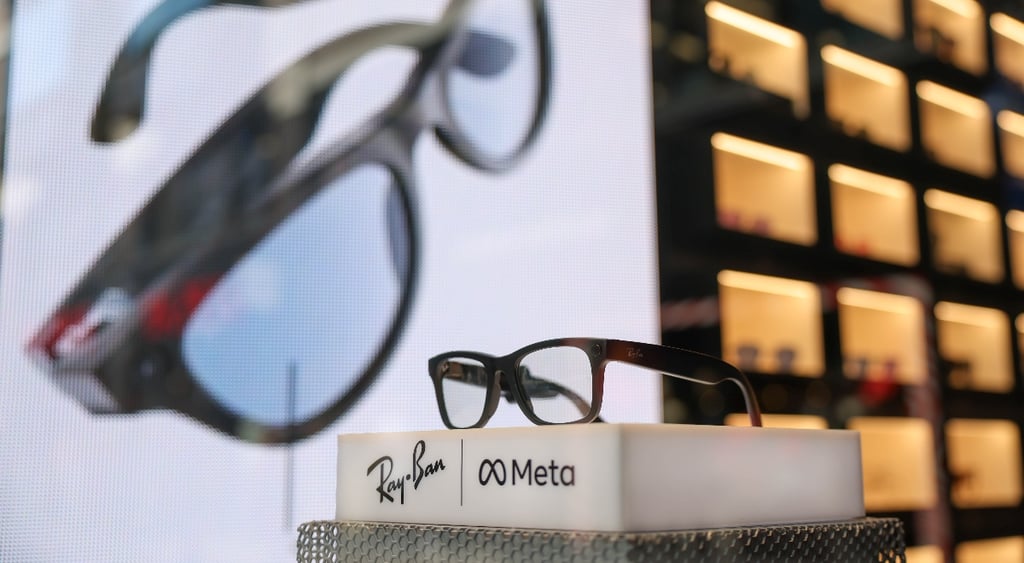
The College Board bans smart glasses during exams due to cheating concerns. Those who wear prescription smart glasses aren’t allowed to take the exam, either.

Image by Europa Press News | Getty Images

 Follow us
The College Board bans smart glasses during exams due to cheating concerns. Those who wear prescription smart glasses aren’t allowed to take the exam, either.
While cheating in school or even university isn’t a novelty, it seems that students are finding “smarter” ways to do it.
The College Board, an organization in the US that creates and administers the Scholastic Assessment Test (SAT) for students, decided to ban students from wearing smart glasses during the SATs.
The new rule will take effect in March 2026.
A list of tech that needs to be kept outside the exam hall


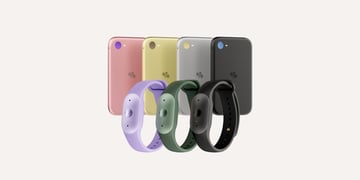



Retraction of smart glasses isn’t a new rule, just an addition to the policy on the use of electronics during tests.
The reason for the smart glasses restriction during SATs is that students might use them to get answers by simply “giving” the test to an AI, which discreetly provides them with answers.
When it comes to the SAT taking order, supervisors are now being trained to spot students wearing smart glasses. Usually, supervisors are instructed to watch for a camera that emits a small light.
Students who wear smart glasses with a prescription also won’t be allowed to wear them during the exam. If, in this case, a student can’t take the test, they will need to retake it next time, wearing proper prescription glasses.
This isn’t the first prohibition which is related to banning electronics during finals. Together with smartphones, students get their wearables, such as smartwatches or earbuds, taken away before the test, notes senior vice president of college readiness assessments at the College Board, Priscilla Rodriguez, via Inside Higher Ed.
AI helps to cheat
There have already been multiple instances of students using AI to help them with their assignments.
The investigation by the Guardian has revealed that AI has already been used by thousands of students in UK universities to cheat on their assignments. In the year 2023-2024, there have been 7,000 proven cases of cheating using AI tools.
In one instance, a student who got kicked out of Columbia University for using AI to cheat on a job interview went further to create Cluely – an AI-powered tool that helps others cheat.
The app is capable of analysing the information on a user’s screen as well as listening to audio to provide the user with answers to questions.






Other issues raised by smart glasses
While smart glasses have been on the market for a while, now there’s a variety of different and affordable variants available.
However, smart glasses have also raised privacy concerns.
Two Harvard students took Meta Ray-Ban smart glasses to prove how they can be used to identify a person. The students filmed their surroundings and people around them, and later used this footage to learn the identities of these people and the information available about them online, showing how intrusive these devices could be.
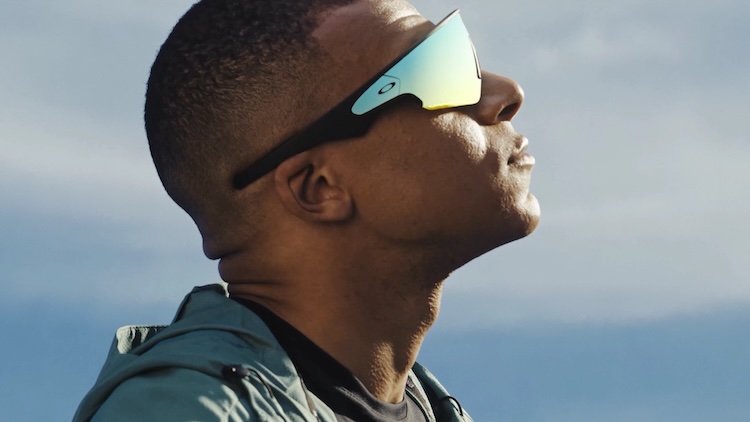
During one of Meta Connect events, the company presented its latest smart glasses, including Oakley Meta Vanguard glasses made for athletes and sports enthusiasts.
One of their features is that they come with Strava integration, allowing users to post anything they capture via the glasses straight to their Strava.
This novelty soon started a debate online regarding privacy concerns, as users will be exposing more information on where they tend to run or cycle, as well as other people who appear in these shots, often unwillingly.
Unlock more exclusive Cybernews content on YouTube.