Meta CTO says asking for more time off after AI boost is “very dumb”
AI giveth, work taketh.
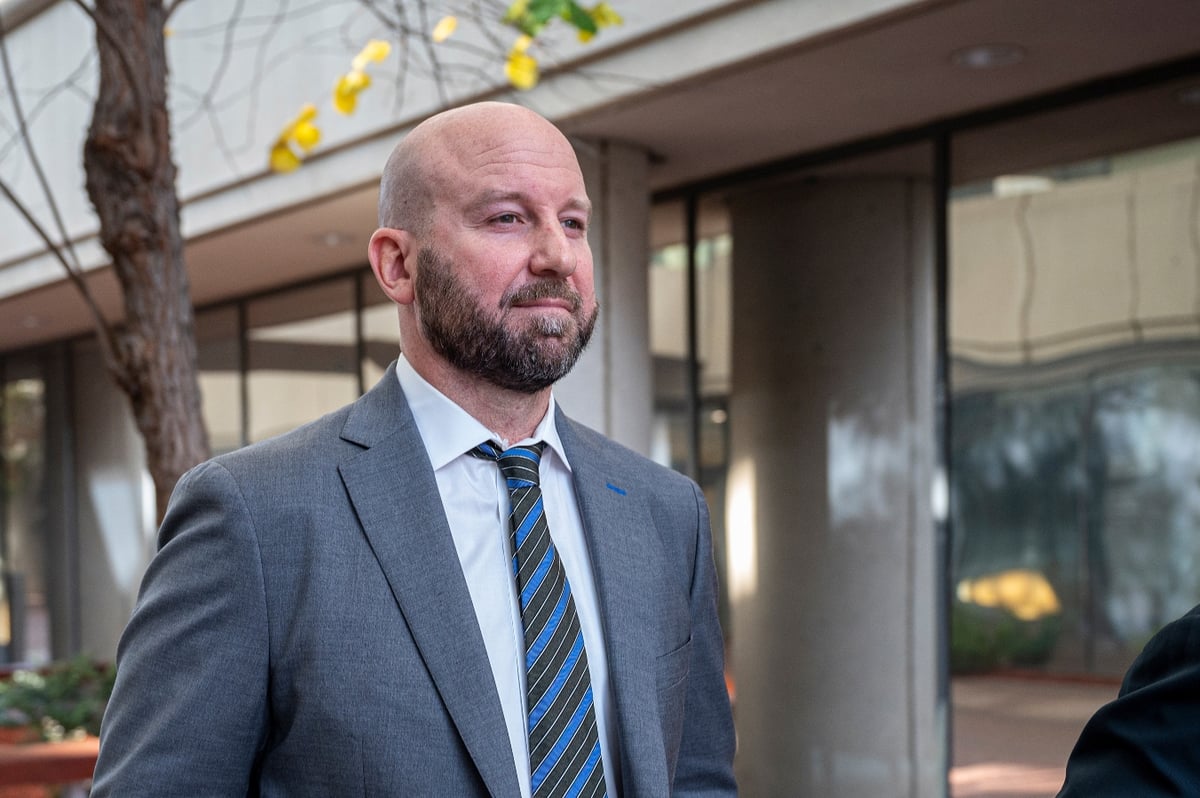
Meta CTO Andrew Bosworth. Bloomberg via Getty Images.

 Follow us
- Meta CTO Andrew Bosworth rejected calls for extra time off if AI makes employees more productive.
- Bosworth told staff to use AI-driven time savings to build more for Meta’s users, not reduce work hours.
- The comments come as Meta pursues major AI goals while facing scrutiny over layoffs and employee wellness.
- The debate highlights wider tensions over whether AI productivity gains should benefit workers, companies, or both.
Key Takeaways by nexos.ai, reviewed by Cybernews staff.
Meta’s CTO, Andrew Bosworth, has stoked debate regarding employee wellness in relation to the company's ambitious AI goals.
As some employees foster feelings of nostalgia for the pandemic days when health and wellness were prioritized, one boss in particular is having none of it.
Meta’s chief technology officer was asked during an employee event whether employees should get more free time if AI makes their work dramatically more productive.
Bosworth’s answer was stark – the company would certainly not be bringing back “Meta Days,” a company-wide perk that meant employees could attach 3 to 4 extra days a year (often to weekends) to prevent burnout.






"Stop asking about Meta Days. It's very dumb," Bosworth said.
The CTO even went one step further by recommending that the staff use the extra time to “do even more and cooler stuff” for Meta’s users, claiming that’s what he does.
Has your password leaked?
“I get an extra hour. You know what I do with it? I put it into that,” revealed Bosworth.
It represents a multifaceted area of debate, especially as Meta has been releasing large swaths of its staff in line with its ambitious AI strategy.
The company is even being sued by a group of former employees for unfair dismissal after it was revealed that its Muse Spark AI model compiled a productivity list that led to 26 people being laid off, including those who had taken various forms of leave.
Back-to-school approach
Bosworth himself adopted a school-principal-like manner, implying that expulsion might be the ultimate answer if the workforce got too carried away asking for extra perks.
“Go to your parents and ask them: Hey, like every time I get a chance to talk to my boss, ask me if I can have more days off.”
He then backtracked a little by acknowledging he had come down “too hard” on employees, saying the whole thing was tongue-in-cheek.
Nevertheless, such a pivot by Bosworth turns the tables on the employees and moves the focus away from economics.
The Cybernews community is talking about this. Be a part of the conversation.
As it's so-often big tech-companies and their layoffs in the headlines, at the moment leaders seem to be switching to observing human-performance metrics, for the time being anyway.
While Meta goes all-in on the AI revolution by announcing plans to produce its own AI chip in September, the big-tech high-flyers shift their attention to human working habits, especially compared to those of AI.
However, OpenAI CEO Sam Altman recently said that AI will make people busier, adding that they’ll be happy about it.