Meta sued over AI-driven layoffs targeting workers on leave
One of them was fired days before giving birth.
Human figurines placed in from of the Meta logo. CFOTO/Future Publishing via Getty Images.

 Follow us
- Meta's workers claim the company used AI systems to rank employees on productivity metrics that people on medical or pregnancy leave couldn't meet.
- A scientist on approved pregnancy leave was terminated two days before delivery, highlighting alleged discrimination against protected leave-takers.
- Meta says firing decisions "were and are made by people, not AI" and called the lawsuit claims meritless.
- Meta laid off 8,000 workers (10% of staff) after reporting record revenue and doubling AI spending to $145 billion.
Key Takeaways by nexos.ai, reviewed by Cybernews staff.
Several days after Meta introduced its Muse Spark AI model, 26 former and current employees of the tech giant sued the company for using AI in employee terminations.
The lawsuit, filed this past Monday, alleges that Meta used internal AI systems to choose people who got laid off, while this method disproportionately affected people who had taken protected medical, pregnancy, family, or disability leave.
For example, a scientist was fired while on approved pre-birth pregnancy leave – two days before she gave birth. Meanwhile, a manager tied his low rating directly to the "broken time" when an injury kept him from working. Ironically, one plaintiff was in the top 2% of Meta's AI-tool adopters and was still cut, undercutting the "wasn't AI-engaged enough" narrative.



Stay updated with our latest stories and follow us on social media
Be the first to discover new stories, ideas, and updates from our team.






From the lawsuit, it seems the possible problem is that Meta's AI ranked people on metrics such as productivity, code commits, and AI-tool usage, metrics that someone on leave physically cannot accumulate, therefore concluding that these employees didn't perform well and could be fired.
"Meta did not assemble the termination list through the considered judgment of managers who knew the work. Instead, Meta used a constellation of internal artificial-intelligence systems – including a system referred to internally as 'Metamate,' employee-trained 'second-brain' agents, keystroke- and activity-monitoring data, AI-token-usage dashboards, and algorithmically assisted performance ranking and calibration – to score, rank, and select employees for inclusion on the list,"the lawsuit claims.
Meta itself told Courthouse News Service that all these claims lack merit, and that all these decisions "were and are made by people, not AI."
In either case, the lawsuit also points to other alleged AI-related problems within the company, such as surveillance. Per the documents, over 1,000 employees signed a petition demanding that Meta stop harvesting employee data to train its AI.
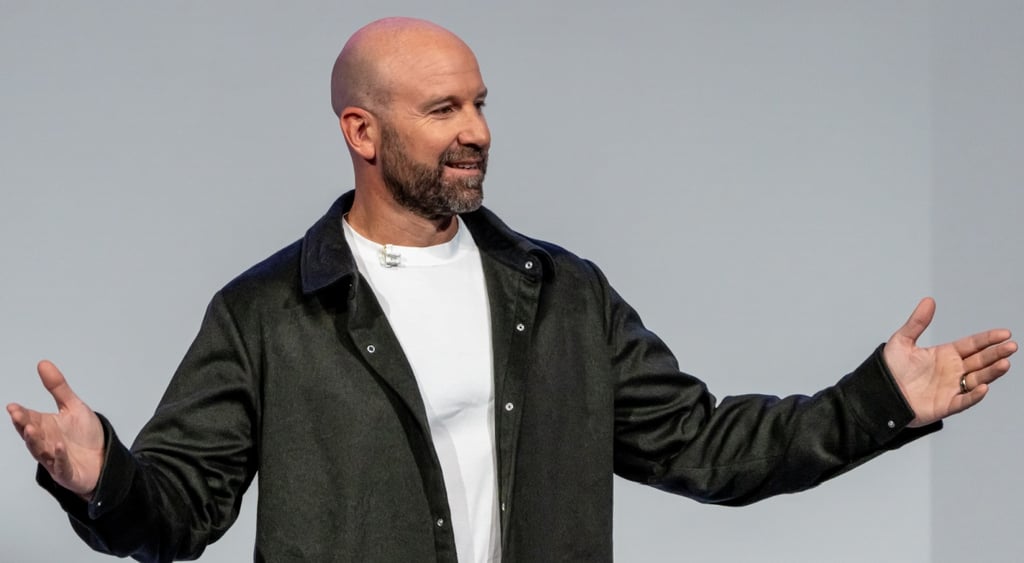
The company's CTO, Andrew Bosworth, is also quoted in the lawsuit acknowledging that a "tremendous number of employees [were] feeling anxieties about their futures," and adding: "It's all bad. I'm not going to try to sugarcoat that."
The conversation on this topic is live. Join in the discussion.
In April this year, Meta announced around 8,000 layoffs (around 10% of its workforce), as it aims to become an "AI-first" company.
What's more, the plaintiffs point out that Meta announced the cuts after it reported record revenue the prior month and doubled its AI investments to $125-$145 billion.