Camera-free smart glasses and holographic avatars: What to expect from Meta Connect 2026?
An overview of what to expect from Meta’s annual conference. Hint: it’s the metaverse.
Meta Connect 2026. Image by Meta

 Follow us
- Meta may reveal camera-less smart glasses after privacy backlash over filming people without consent.
- A new mixed reality headset, Project Phoenix, could appear with prescription lenses.
- Meta may bring realistic holographic avatars to virtual reality through HorizonOS updates.
Key Takeaways by nexos.ai, reviewed by Cybernews staff.
New smart glasses, a headset, holographic avatars, and Muse AI updates are just a few of the things users expect to be revealed at Meta Connect 2026.
Meta is set to reveal its latest hardware and software at its annual 2-day event, kicking off on September 23rd in Menlo Park, California.
Meta Connect 2026 is creating a buzz on news and social media, with a particular focus on Meta smart glasses following weeks of bad press about one of the company’s most controversial products.
How will Meta address these concerns, and what else does it have in store? We take a look.






“Pervert” glasses: the elephant in the room
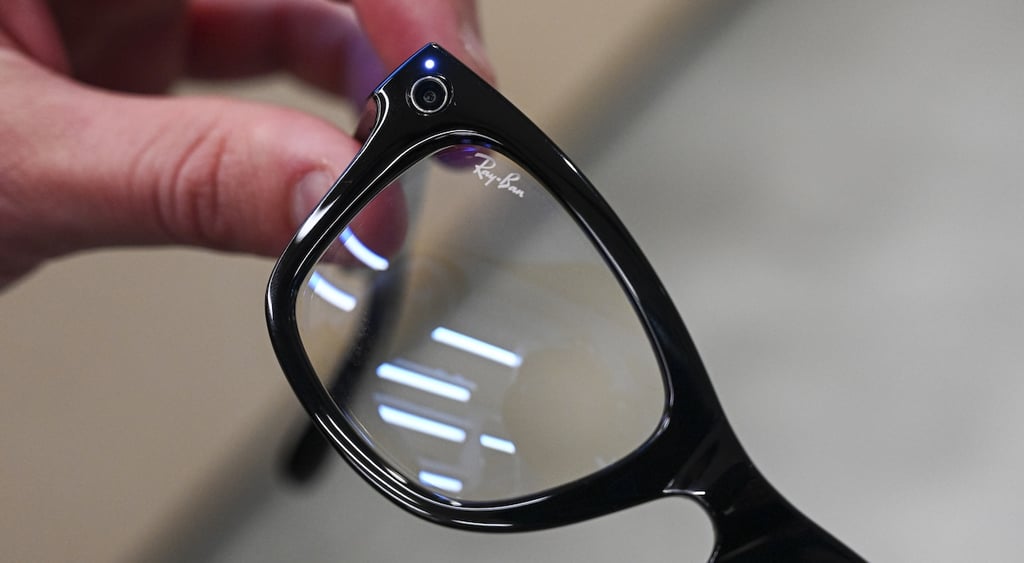
Meta is expected to release new and updated smart glasses. The new frames might now come without a camera.
The new glasses are expected to come in 2 designs, without a camera but with an additional microphone for chatting with AI.
The new glasses may have thinner frames and look more like regular glasses, since there will be no camera to accommodate.
The decision to remove the camera may be a result of the backlash the device caused when it was used to stalk or film people without their consent.
The issue escalated to the point where innocent users would also debate whether it’s worth using the device, so as not to be called “perverts” themselves.
A UK-based campaign issued a database, Stop Smart Glasses, that allows people to check which stores are selling smart glasses, hoping to put pressure on them to stop selling the device.
The country’s Liberal Democratic Party has already suggested to the government that sex offenders be banned from buying or tampering with smart glasses, including Meta’s Ray-Bans.
Meta has also addressed the issue by introducing a device update that would stop the glasses from recording once their light, which warns others the device is on, has been covered.
However, many users didn’t hide their skepticism about the update, thinking it wasn’t enough to tackle the issue.
Andrew Bosworth, Meta’s chief technology officer, hinted that the issue will be addressed during the Meta Connect event.
Ray-Ban has also said in a newsletter to subscribers: “Get ready for what’s next. Something new is coming to Ray-Ban Meta. Stay tuned for the reveal.”
This message left users speculating about what it could be, with many suggesting it may be the next generation of Ray-Ban Display smart glasses.
Is it time for Meta’s next mixed reality headset?
Meta has also been working on a new mixed reality (MR) headset, also known as Project Phoenix. Considering this, the company is expected to announce the new device during the event.
Recently, visuals of Meta’s future headset were released after it was noticed that the company had released an app, HorizonOS Prescription Lens, reported UploadVR.
The app served as a placeholder package and was later updated with visuals showing what the headset would look like.



Stay updated with our latest stories and follow us on social media
Be the first to discover new stories, ideas, and updates from our team.
The images show a thinner-than-usual headset with nose pads and removable prescription lenses, as well as cables coming from behind.
It’s been noted that one of the Meta Connect 2026 sessions is titled “A practical guide to controller-free interaction,” which suggests that Project Phoenix could be part of the Meta Connect presentation.
Turning users into holographic avatars
The new hardware could also mean potential updates to HorizonOS software.
While little is known about changes to Meta’s software, it’s been speculated that the company might bring its holographic avatars to virtual reality, which is intended to make communication with others feel much more real.
Meta’s CEO, Mark Zuckerberg, gave a glimpse of what this could look like during the Lex Fridman Podcast, while the 2 men carried on their conversation in the Metaverse.
The short video shows how the 2 are talking with each other’s realistic-looking Codec Avatars.
The future of Meta’s AI agent Muse
Meta is also expected to announce updates to its AI agent, Muse, which the company first introduced at the beginning of September 2026.
The company even offered users a deal, allowing them to use its AI agent more cheaply in exchange for helping train its future models.
Curious what others think about this story? Contribute your thoughts to the debate below.
Previously, Meta released Muse as an image-generation tool, available on Meta-owned social media platforms. The tool drew attention after it was revealed that it allows users to create content using content from other users' public social media accounts.
Given the rise of Meta’s Muse AI, the company is expected to announce that its AI agent will be available on Meta’s future hardware.