New “pervert glasses” tracker exposes UK retailers: Is your local shop stocking them?
Mom and tech founder vibecodes UK smart glasses finder app, urges shoppers to push for nationwide ban.
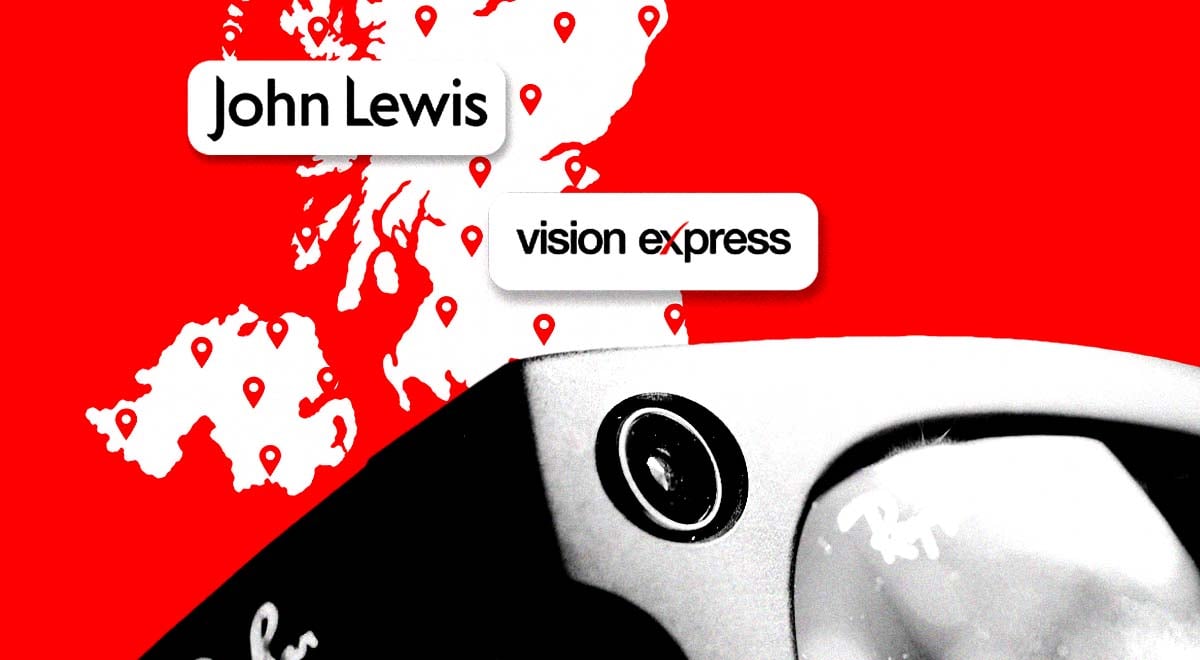
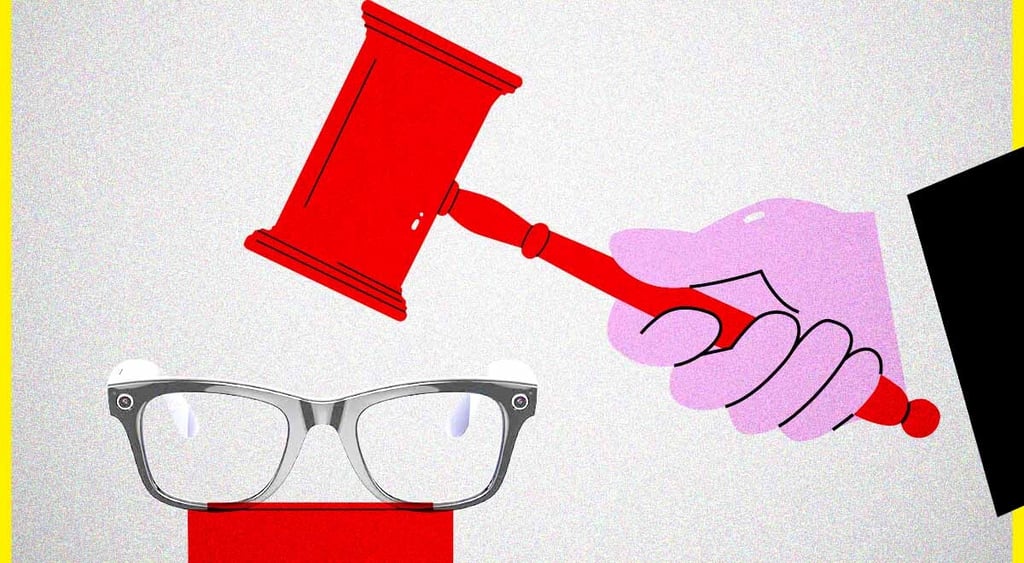
Image by Cybernews

 Follow us
- A searchable database identifies UK and Ireland retailers selling camera-enabled smart glasses, enabling shoppers to pressure local stores.
- Liz Hunter built the open-source tool in a week. Campaign partner Guy Holder's ban petition has nearly 7,000 signatures.
- Campaigners say discreet recording threatens bystander privacy, especially for women and children, because footage can be shared without consent.
- UK courts and venues have restricted the devices – 49% support public bans, but the government favors existing laws.
Key Takeaways by nexos.ai, reviewed by Cybernews staff.
A UK campaign against camera-enabled smart glasses has launched a searchable database showing exactly where the devices are sold, encouraging shoppers to pressure their local stores to stop stocking them.
London-based tech founder Liz Hunter has launched a vibecoded tool, Stop Smart Glasses, which maps retailers that sell Meta’s camera-equipped eyewear across the UK and Ireland and allows users to search for stockists by postcode, town, or city.
Hunter has also teamed up with teacher and campaigner Guy Holder, whose petition to ban the sale and promotion of recording-enabled smart glasses has amassed almost 7,000 signatures.




Vibecoded in a week
According to Hunter, she created Stop Smart Glasses store finder in just one week, using Claude Code, a Custom GPT, and Google Gemini.
The open-source tool is designed to turn privacy concerns about smart glasses into action at the local level: users find the shops selling them, then contact those retailers directly and ask them to stop.
Hunter said in a press released, issued on Saturday, that she explicitly made the project open source to enable privacy campaigners outside the UK to take the database and build their own versions.
Smart glasses are a global problem. I’ve built this so people elsewhere don’t have to start from scratch. Take it, adapt it and fight this where you live.Anti-smart glasses campaigner and tech founder, Liz Hunter
While Meta is the campaign’s immediate target, Hunter argues that focusing solely on one manufacturer misses where the market is heading.
“Apple, Google, Samsung and others are developing or planning AI-enabled glasses and wearable devices,” she added.
John Lewis and other stockists targeted
A cursory Cybernews search by our London-based journalists returned 10 stockists, including John Lewis, Vision Express, and premium optician David Clulow.
John Lewis is one of the UK's oldest and most trusted department stores, known and beloved by mothers and grandmothers across the country.

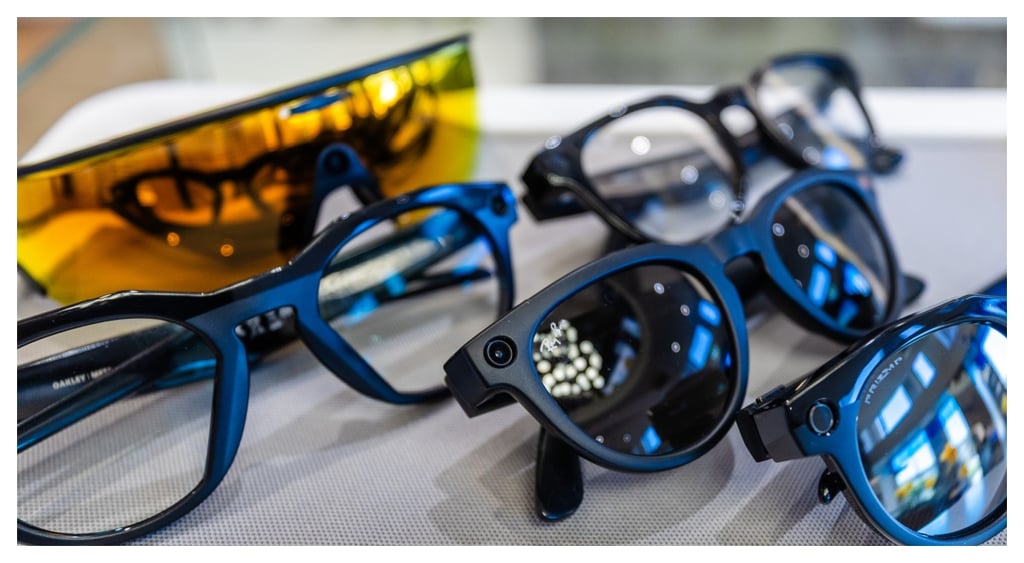
It currently lists 37 types of smart glasses products, including Ray-ban Meta and Oakley Meta models, with prices ranging from £269 to £479.
The store is famous for good customer service, lavish Christmas ads, and fair prices – not for selling glasses that some people have nicknamed "pervert glasses," calling wearers "glassholes."
Why the backlash?
Camera-equipped glasses allow people to record those around without holding up a phone or conventional camera, making it harder for bystanders to know they are being filmed.
The glasses use an LED to indicate recording, but that protection can be circumvented, prompting Meta to crack down on users who cover or even physically remove the indicators.
There have also been instances of people complaining that they were filmed without their knowledge, only to discover footage had subsequently been posted on social media.
Hunter said she was motivated to create the tool and campaign because, as a parent, she was shocked that a stranger wearing these glasses could now secretly record her child, without either the parent or child knowing or agreeing to it.
"This cannot be allowed to continue. We should be making the world safer, not creating new opportunities for women and children to be exploited. I refuse to say goodbye to my peace of mind in public.”
The tech founder adds that putting those retailers on a searchable map now makes them part of the privacy debate.
“The wearer chooses to put a camera on their face. Everyone else is forced to live with that choice,” she said.
“The wearer gets the technology. The company gets the profile. Everyone else loses control over when they’re recorded and what happens to the footage.
That’s a transfer of power dressed up as progress, and it’s an absolute disgrace. The price of innovation shouldn't be your right to privacy.Liz Hunter
UK: major touchpoint for smart glasses rebellion
The United Kingdom is shaping up to be a focal point for European backlash against the smart glasses trend.
Courts in England and Wales have banned the devices, while UK pubs and clubs are banning the specs over privacy concerns. Cinemas are also considering restrictions amid piracy and privacy fears.



Stay updated with our latest stories and follow us on social media
Be the first to discover new stories, ideas, and updates from our team.
A YouGov poll in March 2026 found that 49% of British adults supported banning smart glasses in public spaces, compared with 30% who opposed the ban.
The UK government said in June that it had no plans to introduce specific legislation governing the use of camera-enabled glasses in public spaces, pointing instead to existing laws that apply to harmful conduct.