NEW: ShinyHunters says it “never intended or planned to” publish FBI data
ShinyHunters tells Cybernews the week-long saga was simply a “marketing campaign” to protect its business.

Image by Cybernews.

 Follow us
- ShinyHunters says it never planned to publish alleged FBI data or demand ransom.
- Researchers said samples contained personal data for about 5,000 FBI agents.
- The gang says the hack aimed to challenge an FBI advisory about its operations.
- Google says ShinyHunters has renewed attacks on Oracle PeopleSoft systems using a previously used flaw.
Key Takeaways by nexos.ai, reviewed by Cybernews staff.
As the FBI hackers' so-called deadline comes to a close, ShinyHunters tells Cybernews on Monday that the group was never going to publish the reams of data allegedly stolen from the law enforcement agency, blaming the ensuing media frenzy on “false assumptions” and "wild speculation."
In an unexpected email, the notorious extortion group told Cybernews it wanted to “clarify our intentions” regarding the one-week “deadline” – or request, depending on how you interpret it – in a final statement.
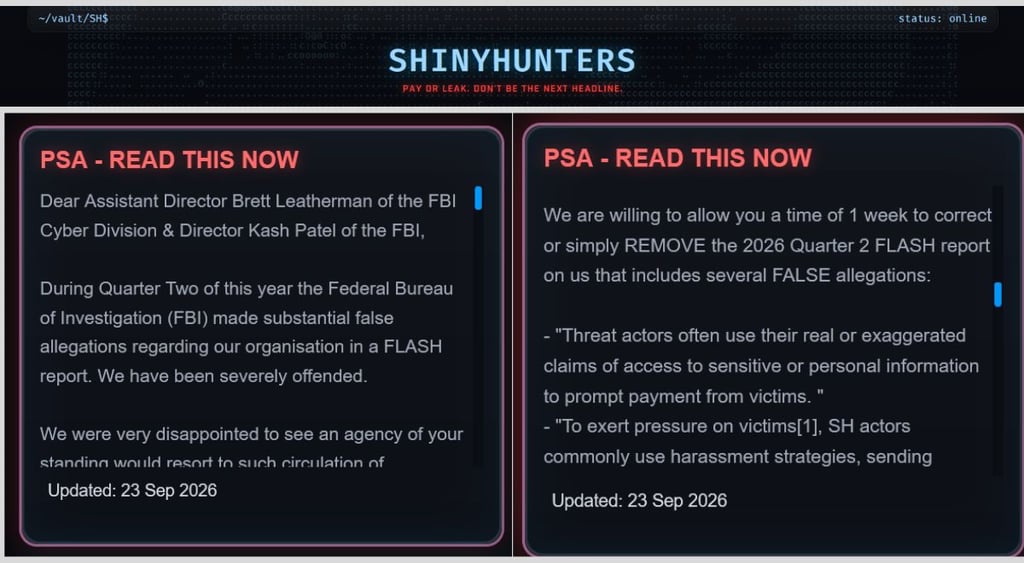
From the get-go, ShinyHunters had repeatedly stated the hack was not about extortion.





“It was never one to begin with, not a threat, not a ransom, and not financially motivated,” the gang reiterated to Cybernews on Monday.
The group is simply labeling the rest of the world as “conspiracy theorists.”
This was not a threat. It may have been worded like a threat but ultimately the public has drove this story out of context and made their own wild assumptions and speculations.ShinyHunters told Cybernews on Monday.
We worded our statements very carefully. We also never stated "deadline" in any of our wording.
Since the very beginning we had made our decision that we would never publish this data. We have never intended to nor have we ever planned to,
ShinyHunters demands FBI retraction
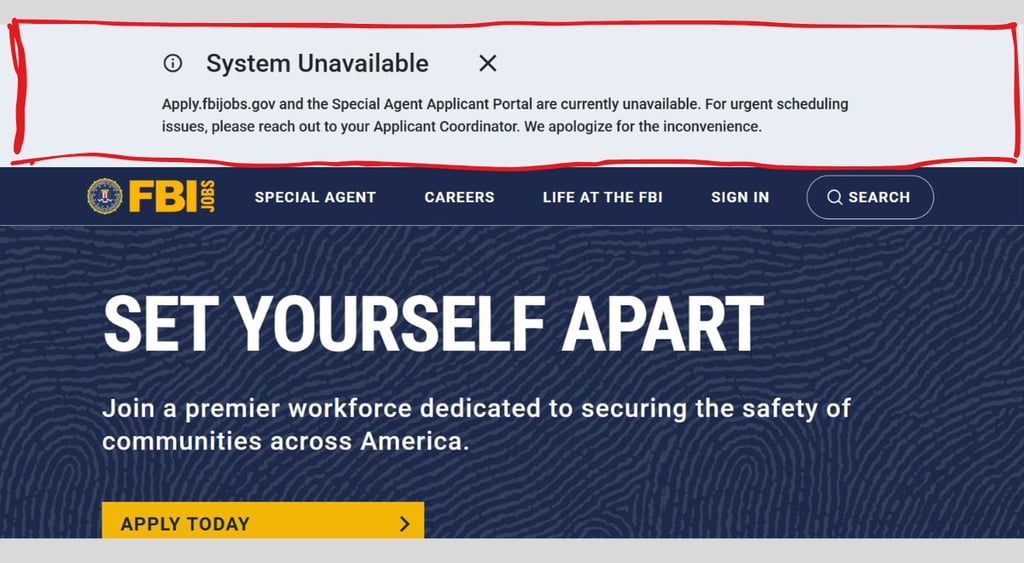
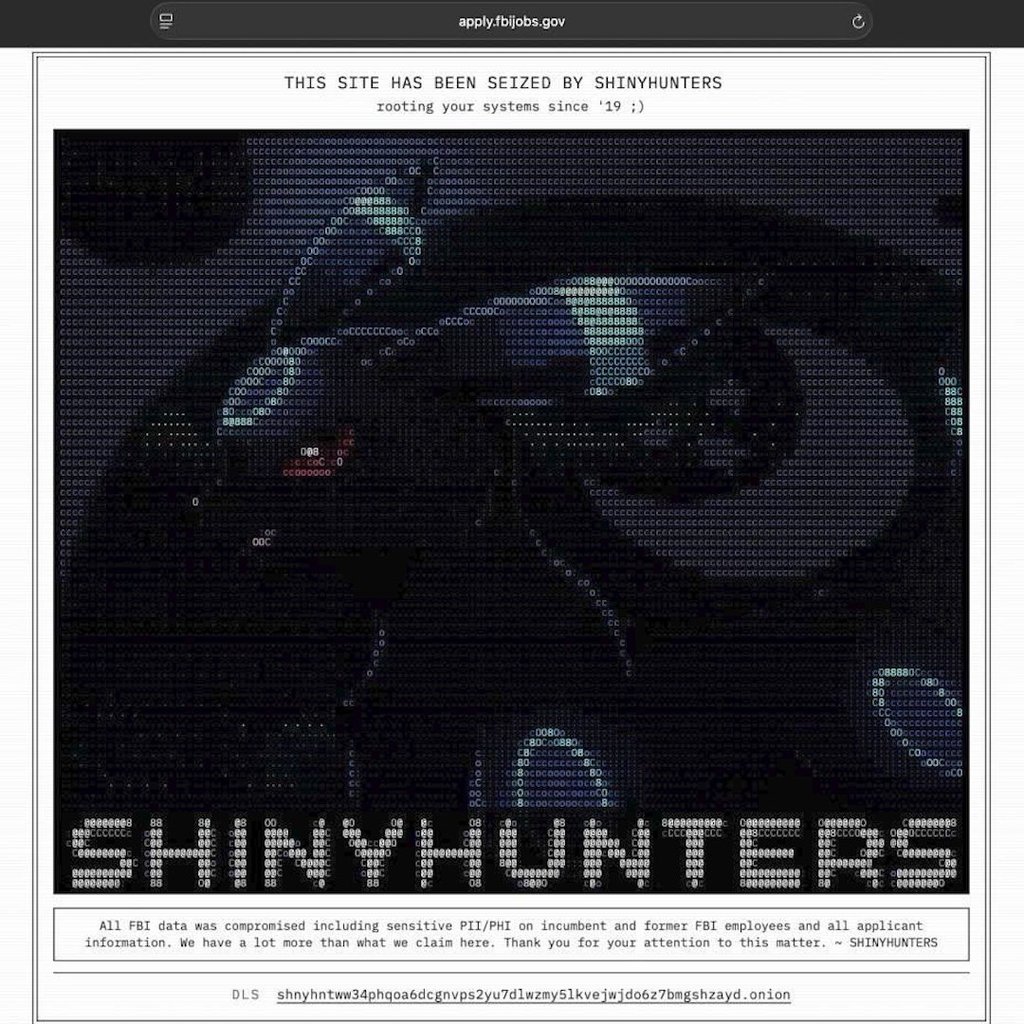
On September 22nd, ShinyHunters claimed to have hacked multiple FBI systems, stealing data on almost all FBI agents, employees, and job applicants, while also defacing and incapacitating several FBI job-related websites.
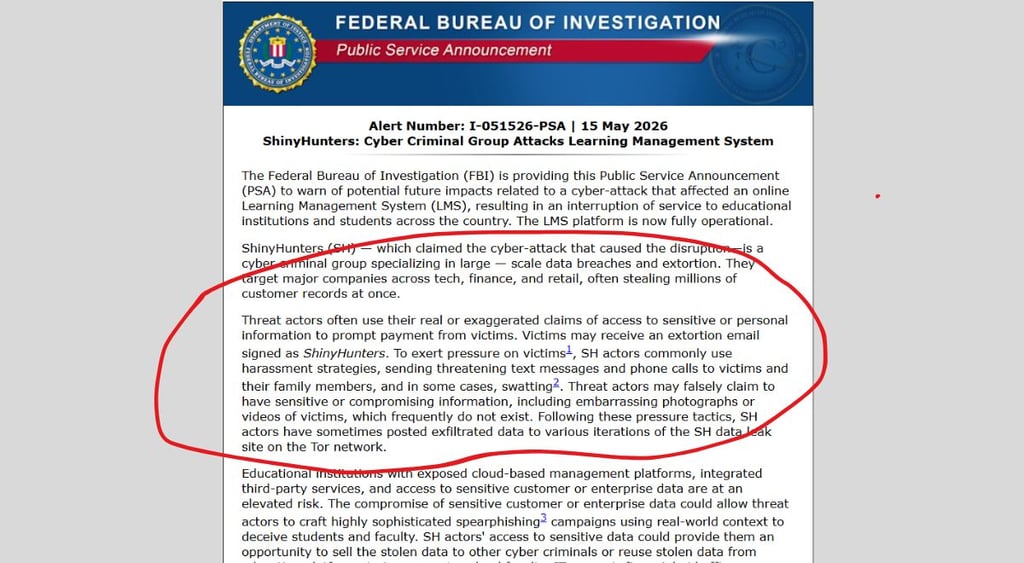
In a lengthy message posted on its dark leak site that day, ShinyHunters said the hack was in protest of an FBI public service announcement (PSA) released back in May, “falsely” describing how the hacker gang conducts its operations.
The group demanded the FBI retract its statements and issued the now-infamous "one-week" threat.
Meanwhile, various cybersecurity researchers – sent proof samples from the gang – confirmed the stolen cache contained the personal data of about 5,000 agents, including members of an elite FBI hacking team known as the Remote Operations Unit (ROU), among other extensive findings.
ShinyHunters: FBI hack was about protecting their reputation
The hackers went on to say they “understand” how the public and media “misinterpreted” the group’s intentions “due to our history in past operations.”
While boasting that its past extortion campaigns “never involved a government entity of prominence,” the group claims that if it didn't take drastic action, its complaints would have surely fallen on deaf ears.
This was all a marketing campaign to protect our business and actively combat disinformation.the ShinyHunters statement explained.
We'd have been ignored and disregarded. However, now everyone knows what the issue is and what we are doing.
Everyone is reading about it. We proved our points on several occasions,
Finally, while ironically claiming it does “not care what the public says” and that it does not cloud its own judgement by “external opinions and thoughts,” the group clearly believes it accomplished what it set out to do.
ShinyHunters gets back to business
Sources have said the hacker collective had been attempting to breach FBI systems since the May advisory was released without success – instead finding solace in other major hacks, such as the cyberattack on Canvas e-learning systems, in which ShinyHunters were reportedly paid a handsome $10 million ransom.
“We are way past this situation in our businesses operations and we confidently believe we have been successful due to seeing a recent influx of success in our operations,” the group concluded its statement.
On Friday, ShinyHunters appeared to be back to its regular programming, launching a renewed mass-exploitation campaign targeting Oracle’s PeopleSoft human resources management system.
Google, which published a report on the gang’s latest effort, said the campaign is reusing the same Oracle zero-day it previously exploited in June, potentially affecting hundreds of organizations that chose to apply a workaround instead of a permanent fix.
ShinyHunters claimed it exploited a fresh Oracle PeopleSoft zero-day to access FBI systems.






Stay updated with our latest stories and follow us on social media
Be the first to discover new stories, ideas, and updates from our team.